
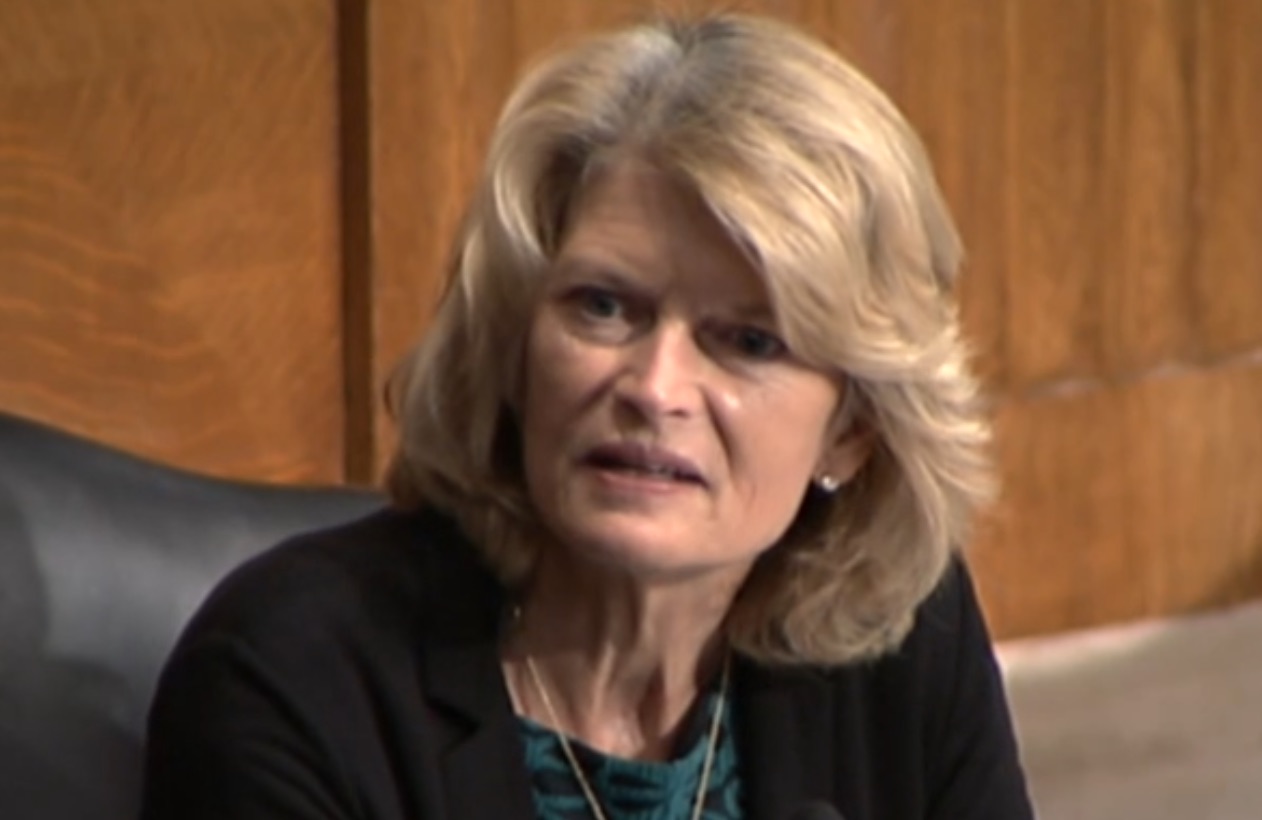
Sen. Lisa Murkowski voted “guilty,” on the one charge in front of the U.S. Senate, which had assembled itself into a court and tried a former U.S. president for inciting what the Left and media is calling an “insurrection” at the U.S. Capitol on Jan. 6.
Sen. Dan Sullivan voted to acquit former President Donald J. Trump.
The 57-43 vote was a majority vote to convict but it was not the two-thirds needed. The Senate came up short by 10 votes. Murkowski was among seven Republicans who voted to convict.
The trial was historic in that it was impeaching a person who is now a citizen, not a president.
This was the the second impeachment of Trump in one year, and the second acquittal. Trump’s attorneys said that the trial was unconstitutional, because Trump is no longer in office and that his speech, which encouraged peaceful and patriotic protest, is covered by the First Amendment of the Constitution. Also, no Supreme Court Justice presided over the trial because it was seen by the Supreme Court as illegitimate.
The other six Republicans who voted with the Democrats were: Richard Burr of North Carolina, Susan Collins of Maine, Bill Cassidy of Louisiana, Mitt Romney of Utah, Ben Sasse of Nebraska, and Pat Toomey of Pennsylvania.
After the acquittal, Sen. Mitch McConnell gave a speech in which he eviscerated Trump for his behavior.
“There’s no question, none, that Pres. Trump is practically and morally responsible for provoking the events of that day. No question about it,” he said. But he said the question of impeaching a former president is unconstitutional. If Trump was convicted, then the House of Representatives could hold impeachment trials for any private citizen, he said.
“Article 2, Section 4 must have force,” he said. ‘Donald Trump is no longer the president … Removal is mandatory upon conviction. That mandatory sentence cannot be applied to someone who has left office. The entire process revolves around removal.”


