Gov. Mike Dunleavy could be getting his “Trump moment” when it comes to shaping the Alaska Supreme Court.
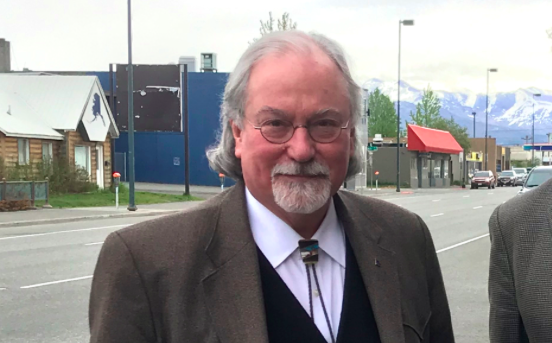
Justice Craig Stowers, one of the court’s most conservative jurists, is retiring, opening up an opportunity for Gov. Mike Dunleavy to appoint a like-minded conservative to the court, one who could serve for many years into the future.
President Donald Trump had that moment not long after he took office. On Jan. 31, 2017, he nominated Neil Gorsuch to succeed the high court’s most strict constitutionalist, Antonin Scalia, who had died (somewhat mysteriously, with a pillow over his face).
But Dunleavy’s ability to appoint a conservative to replace a conservative may be stymied.
He must choose from nominees given to him by the Alaska Judicial Council, a decidedly liberal body that polls members of the Alaska Bar Association, who also lean liberal. Those members rate the candidates and the council forwards the names of finalists to the governor. By law, he must pick from that prescreened list.

This is known as the Missouri Plan, and it’s supposed to get partisan politics out of judicial selection. But critics say that it gives unelected, unaccountable trial lawyers way too much influence in the selection process.
Members of the Judicial Council include Chief Justice Joel Bolger, who has already sent a warning shot over the bow of the Dunleavy Administration, in his speeches and published writings.
Also on the Judicial Council is James E. Torgerson, husband of Ninth Circuit Court of Appeals Judge Morgan Christen, who was appointed to the Ninth by President Barack Obama.
Only two members of the council were appointed by Dunleavy.
Justice Stowers was appointed by Gov. Sean Parnell in 2009 and has been the dissenting vote in two important abortion cases. The first was when he voted to uphold the parental notification law passed by the Legislature. That law was overturned by the rest of the court, which means in Alaska, a minor can get an abortion, but not a tattoo or piercing, without her parent’s knowledge. Stowers was again the dissenting voice on the court when it came to Medicaid funding for elective abortions. For now, the court is forcing Alaska to pay for these elective abortions, against the wishes of the Legislature and most Alaskans.
Alaskans will have only a glimpse of the judicial nomination process, which is somewhat secretive in its balloting, and those who apply for court vacancies are voted on by only those Alaska Bar members who choose to take the time to vote.
Applications for Stowers’ replacement will be taken by the council through Feb. 14, and interviews are held in the spring. Once the list of finalists is given to the governor, he has 45 days to pick from the list.
Last year, when Dunleavy delayed naming a judge past the 45-day limit, that action became one of the grounds that the Recall Dunleavy group used to say he is unfit for office, an allegation that will be argued in court on Friday, Jan. 10, as the State Department of Law tries to fend off the Recall Dunleavy movement in court.