
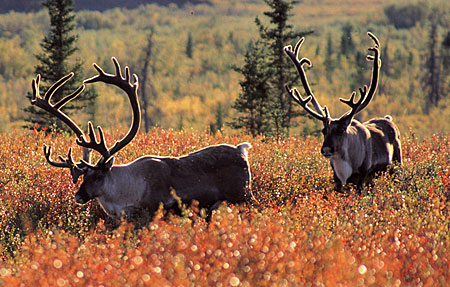
An Alaska woman who claimed to be emotionally distraught due to the thinning of bear and wolves earlier this year by Alaska Fish and Game officials, in order to help the Mulchatna caribou herd’s numbers, found no love from the Alaska Superior Court.
The Alaska Legislature passed a law in 1994 that allows Fish and Game to intensively manage moose, caribou, and deer to a level that makes these wildlife available for human consumption.
More than 100 bear and wolves were killed in the intensive management exercise in the summer, an action that was even supported by the Alaska Federation of Natives.
But Michelle Bittner sued, claiming emotional devastation. Judge Andrew Guidi dismissed her case on Tuesday.
As a “mere viewer of wildlife, [Bittner] does not allege any travel experience in the area that is the subject of her complaint,” Judge Guidi wrote. She is not a hunter. She is not a guide. Neither is she a wildlife photographer or subsistence user in the area where the state did predator control to enhance the ability of humans to harvest food.
“The court is unaware of any legal authority supporting the proposition that being emotionally triggered by government action constitutes a sufficient ‘injury’ to establish standing. If that were true, then anyone with a strong emotional reaction to the predator control program would have standing to bring suit against the state regardless of where they live or any actual connection to Alaska,” the judge wrote.
Guidi also wrote that if “emotional reaction alone was sufficient to create standing,” then those upset with the state’s alleged inaction on climate change would be able to establish that they had standing as a harmed plaintiff.
Read Guidi’s opinion in the document below:


