U.S. Customs and Border Protection has cause havoc in the Alaska pollock fishery by issuing Jones Act penalty of about S350 million, according to The Maritime Executive.
The trade publication reported that a lawsuit has been filed by Alaska Reefer Management, a subsidiary of American Seafoods Company over the massive fine. The $350 million in fines could mean pollock prices on the East Coast are seen, or shortages of the popular fish could result across much of the country.
Pollock is served in many restaurants and fast food chains. It is also used to make fake shellfish products, such as imitation crab.
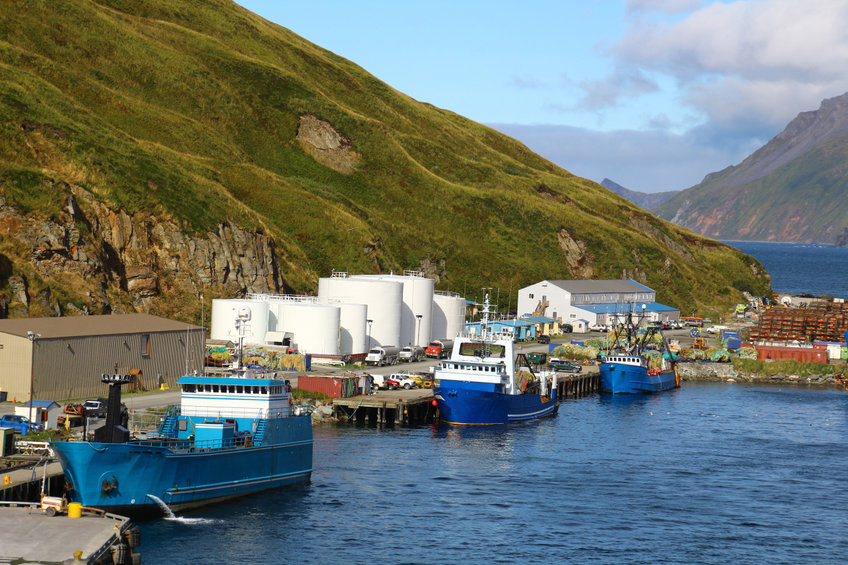
American Seafoods ships pollock through the Panama Canal on foreign-built vessels. After loading fish in Dutch Harbor, Alaska, the ships do not touch any other American port. The frozen product is unloaded in Canada and a very short railway from Bayside, New Brunswick takes the fish across the border to the U.S. The distance by rail is about 100 feet.

This has been going on for years and has been a clever work-around of the Jones Act, which prohibits the use of foreign-flagged vessels traveling from one U.S. port to another, without stopping in another country. According to Martime Executive, 90 percent of the fish offloaded in New Brunswick is then taken to the U.S. by this method.
The railway is certified and registered as a Canadian rail line with the U.S. Surface Transportation Board, said the attorneys for American Reefer and terminal operator Kloosterboer International Forwarding, according to The Maritime Executive.
Located along the south shore of New Brunswick on the Bay of Fundy at the mouth of the St Croix River, Bayside is one of the province’s major commercial centers, with frozen food storage available for up to 7,000 metric tons, and with 3,600 square meters of dry storage area to facilitate shipments of fish, agriculture, wood, and milled products. It formed as a private corporation in 1999 and now has three berths on the single wharf in what is an ice-free port.
Read the rest of this story at The Maritime Executive.
In July of 2018, then-Alaska Commissioner of Labor Heidi Drygas penned an editorial talking about how important the Jones Act is for the Alaska economy and the necessity for keeping it intact. She is now former Gov. Bill Walker’s running mate as they try to retake power in Alaska.