By JOHN YELLAND | LIBERTAS INSTITUTE
My wife and I recently took our son to the movies. As we walked through the door, I noticed a prominently displayed sign. It said they no longer accept cash as a form of payment.
The screaming, hot-blooded, American eagle in my heart balked at being told what I could and couldn’t do.
Can’t pay with cash?? Ya know what — I’m just gonna cash even harder!
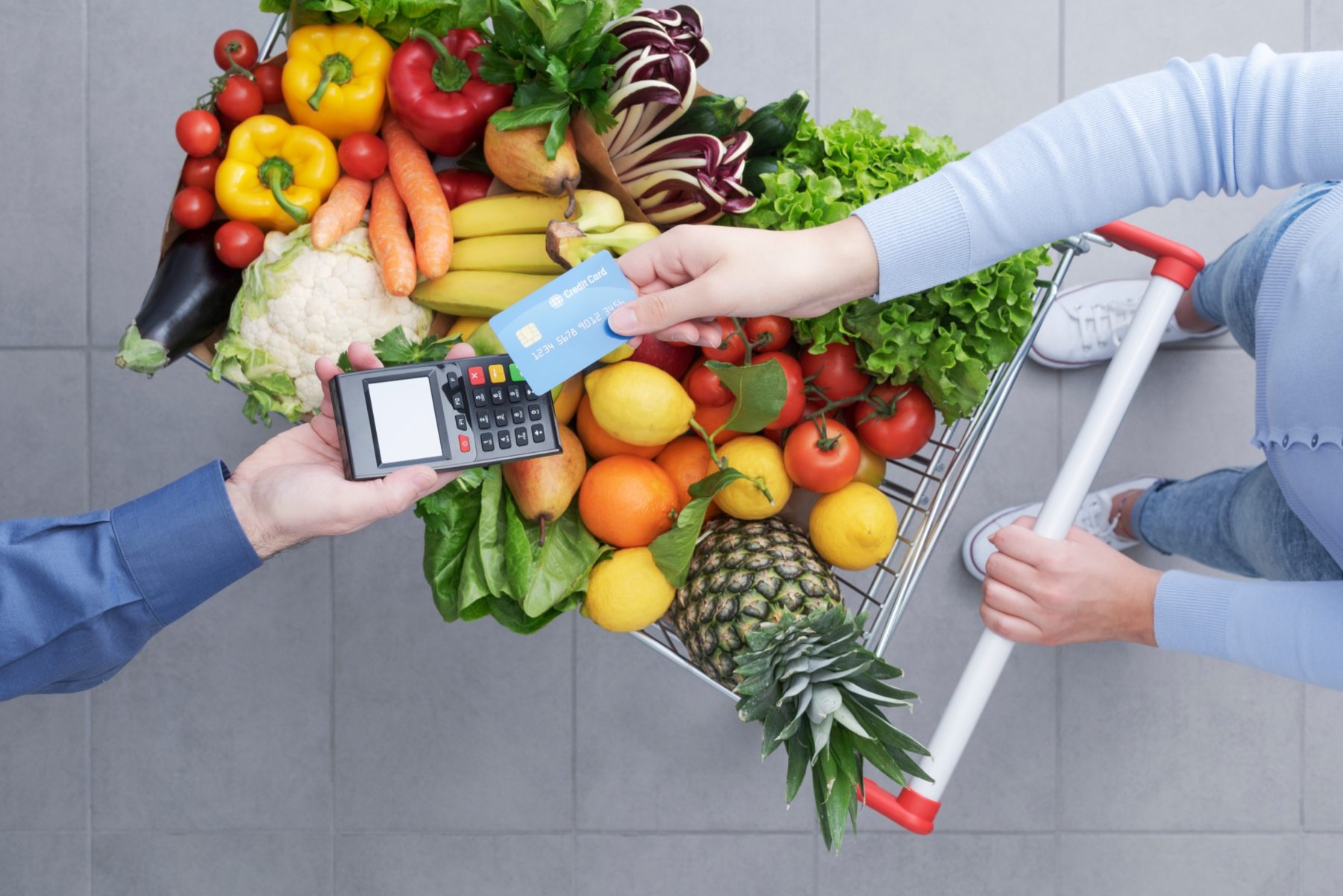
But this made me reflect. First, I bought our tickets online, and second, I intended to buy concessions with my debit card. I was ahead of the cashless curve without even realizing it. A cashless America is already here, and we’re letting it happen.
Why did this sign bother me so much though? Was it just my you-can’t-tell-me-what-to-do instinct, or was there something deeper that made me uncomfortable?
In France, it’s illegal to make and accept cash payments larger than €1,000, and in Italy it’s €2,000. This is a global, decades-old trend.

In 2016, India Prime Minister Modi announced that bank notes of ₹500 and ₹1,000 would be removed. Citizens were given 50 days to deposit these bills. One thousand Indian rupees sounds like a lot, but it’s not. It’s about $14 US dollars.
Modi’s justification? Fighting corruption, black markets, and crime.
However, a recent UK-based study found it was actually banks and accounting firms that are the leading facilitators of illegal transfers and funding. The study found that banks are almost twice as likely to be involved in money laundering than cash transactions.
Given this risk assessment, we should ban banks before cash.
In a cashless society, you don’t have custody of your own money. Wells Fargo or Goldman Sachs does. You can claim that number on your account balance belongs to you, but ultimately your claim only means as much as it can be enforced.
And make no mistake, you are powerless against the likes of J.P. Morgan.
Read this column in its entirety at the Daily Caller.
John Yelland is the director of communications for the Libertas Institute, a liberty-focused think tank based in Utah.