
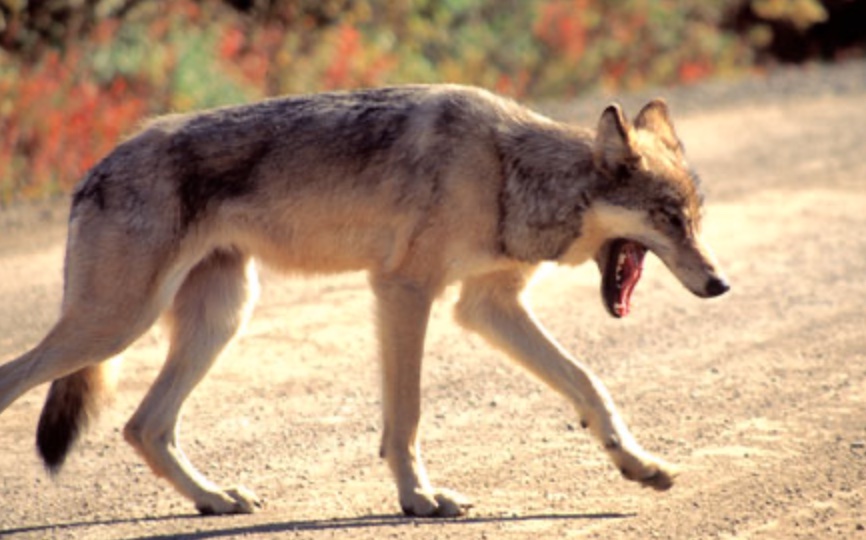
The U.S. House of Representatives passed Wisconsin Rep. Tom Tiffany and Colorado Rep. Lauren Boebert’s “Trust the Science Act,” House Resolution 764, which would remove the gray wolf from the list of endangered species and prevents a judicial review of the delisting.
Rep. Mary Peltola of Alaska voted against the measure, which passed on a vote of 209-205. The bill gives individual states and their wildlife management agencies the right to manage gray wolf populations within their borders. It’s a states’ rights issue.
Alaska is home to an estimated 7,000-11,000 wolves and is the only state in which wolves were never included on the Endangered Species List. Many Alaskan hunters consider wolves to be a problem, especially in Southeast Alaska, where the carnivorous canines kill deer.
“Wolves do have an impact on moose and caribou populations, and this impact, in combination with factors such as severe winter weather or bear predation, can depress moose and caribou populations to very low levels leaving little harvestable surplus for humans,” according to the Alaska Department of Fish and Game, which occasionally thins out wolf populations so that humans can have access to wild meat.
“These programs are designed to reduce predation by wolves or bears and increase moose, caribou, or deer populations that are a needed food source for Alaskans,” Fish and Game says on its website.
Wolves can also be a problem the Lower 48 for ranchers, and elk and deer hunters. Sheep ranchers in Washington State are finding that they are essentially growing livestock to feed wolf packs. One rancher reported that wolves had killed 22 of his 2,000 sheep.
“There have been repeated, documented wolf kills; non-lethal methods have not stopped the predation; the attacks are likely to continue, and the livestock owner has not done anything to attract the wolves,” one state wildlife official said in 2019, as the state approved the killing of wolves in Stevens County. There are 260 known wolves in 42 known packs in Washington State.
“The science is clear, the gray wolf has met and exceeded recovery goals. Today’s House passage represents an important first step towards restoring local control over the skyrocketing gray wolf population in Wisconsin. I will continue to fight to get this legislation through the U.S. Senate to protect livestock and pets from brutal wolf attacks,” said Rep. Tiffany of Wisconsin.
“There have been numerous gray wolf attacks in Wisconsin’s Seventh District over the last few years. You can view some examples here, here, and here (warning of graphic content),” Tiffany wrote on his official page. And yes, the links are pretty gory.
Gray wolves were put on the endangered species list in 1974, but they are no longer considered endangered, although only 13 states have wolf packs, mostly in the north.
During the Trump Administration, the Department of the Interior and the U.S. Fish and Wildlife Service delisted the gray wolf in the lower 48 United States after reviewing the science. But a California judge reversed the ruling in 2022.
Among groups supporting the bill was Hunter Nation, an advocacy group for hunters.
The recovery of the gray wolf is a remarkable conservation success, and the time has long since passed to manage their exploding population based on science,” said Keith Mark, founder and president of Hunter Nation. “This is an important achievement for American hunters, game animals, pets, livestock, and wolves. Keeping liberal activist judges out of wildlife management decisions is an important component to this legislation.”
“The delisting of the gray wolf reflects sound science and will bring balance to the habit and carrying capacity in those areas that have been decimated by unmanaged wolf populations,” said Ted Nugent, spokesman for Hunter Nation.
Peltola deflected, writing on social media: “The Second Amendment is integral to the Alaska way of life. For many households, hunting is their only way to guarantee food security. That’s why I’m doing everything possible to protect 2A and make sure our rights aren’t eroded by politicians living thousands of miles away.”


