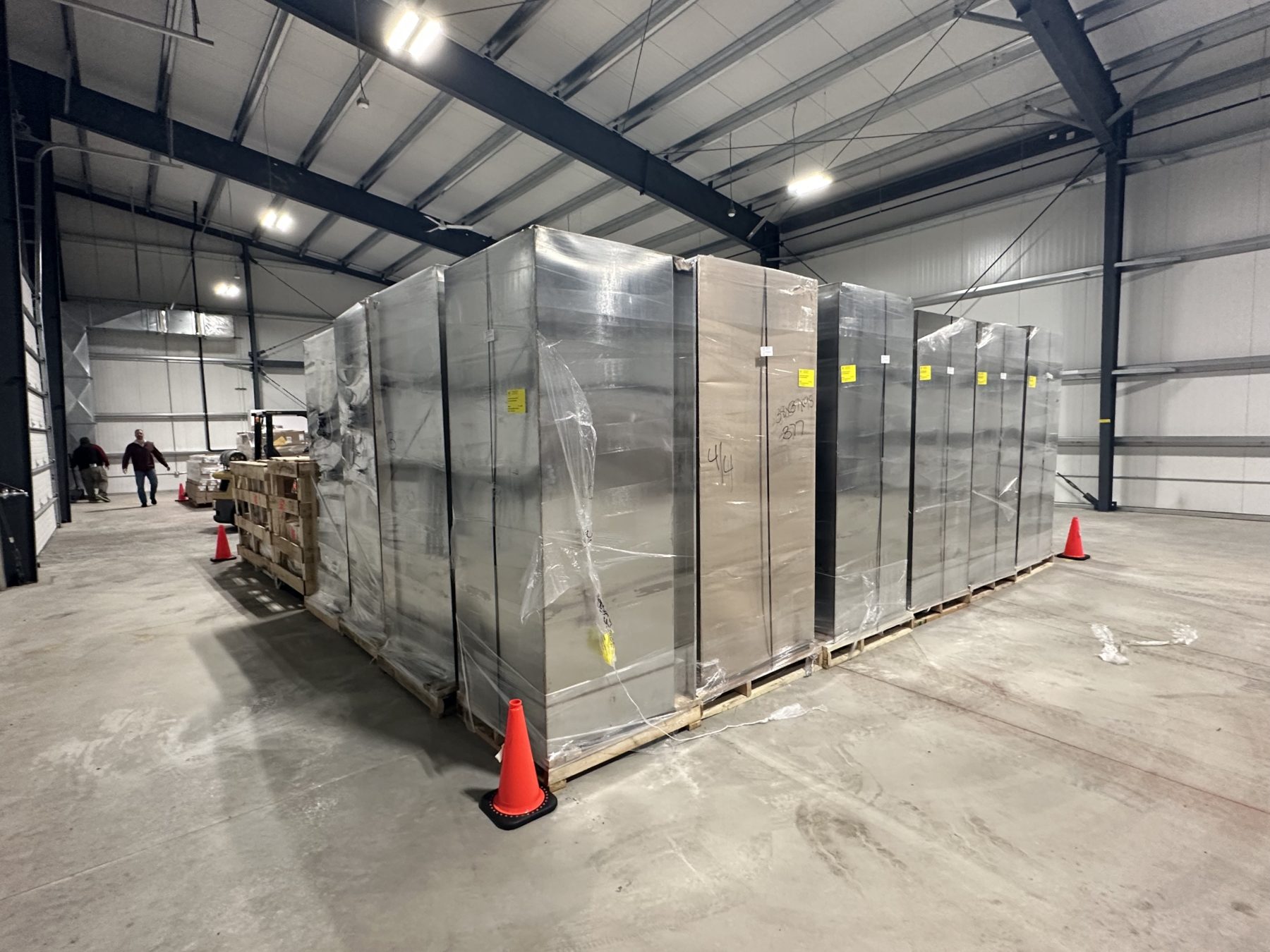
At the end of the Indiana Jones “Raiders of the Lost Ark” movie, the Ark of the Covenant is wheeled into a giant U.S. government warehouse, never to be found again.
And so it is with the materials for the Anchorage Navigation Center for the homeless.
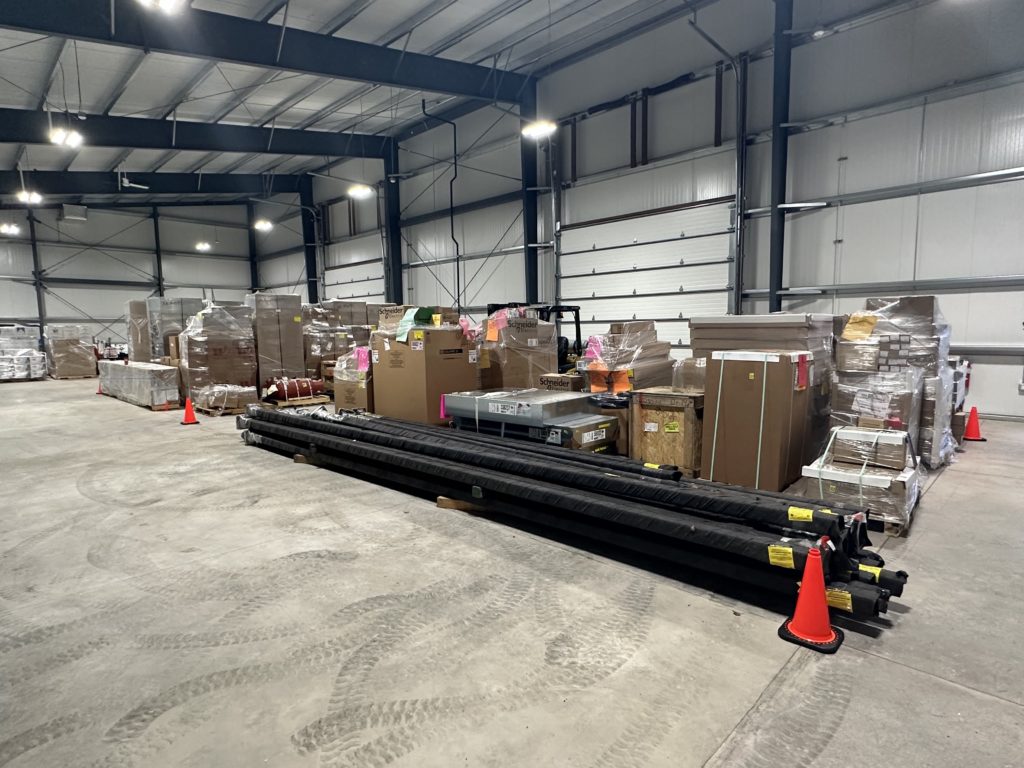
A Parks and Recreation maintenance garage in Eagle River has been repurposed as a warehouse for sheltering a vast accumulation of building materials intended for human shelters.
The venue, paid for exclusively by Eagle River taxpayers and originally designed to accommodate trucks and equipment, now houses stacks of construction materials and fixtures, leaving the trucks out in the open.
The procurement of these materials dates back to the previous year, following the Assembly’s approval to construct a navigation center at a site near Elmore Road on Tudor Road.

However, the situation took an unexpected turn when the Anchorage Assembly, despite initially approving the building of the navigation center, refused to fund the construction of the shelter. Critics argue this move was largely to avoid granting a perceived victory to Mayor Dave Bronson in addressing the city’s homelessness issue.

This stalemate has resulted in a bizarre situation where the city, for several months, has been storing construction materials while the homeless, particularly those who find it difficult to abide by the guidelines of traditional church- or privately run shelters, sought refuge at the Sullivan Arena throughout the winter.
Assemblyman Kevin Cross, representing Eagle River, expressed his dismay over the situation.
“It sickens me that we’re willing to secure, heat, and shelter the materials to build a shelter, but not actually use those materials in order to help people. It’s also important to note that these are materials that we took possession of from Roger Hickel and are being sued in order for us to pay for them,” he said.
The navigation center was a flagship project during Mayor Bronson’s early tenure, a part of his strategy to tackle homelessness, which was becoming an environmental concern in Anchorage’s wooded areas.
Last summer, following a significant forest fire in Anchorage that had been set by homeless campers, the mayor’s decided to move all unsanctioned campers to the Centennial Park Campground.
Despite the city ensuring regular patrols, sanitation, and daily meal services, the Assembly and Anchorage Daily News called it a “humanitarian crisis.”
This year, however, there is a shift in the leftist Assembly’s perspective, and it’s getting no pushback from the media for flipping.
The Assembly is contemplating its own version of the sanctioned camp plan that includes homeless campgrounds in every single district in the city.
Despite previously criticizing the Centennial Campground as a humanitarian crisis along the lines of Nazi concentration camps, that very campground is being included on the list to address the increasing presence of homeless tent camps across Anchorage’s greenbelts.
Here’s the kicker: Eagle River, District 2 property taxpayers paid for that maintenance garage for Parks and Recreation, which is a separate Eagle River Parks and Rec.
This means taxpayers of Eagle River are storing the materials for a building that was supposed to be built in Anchorage.
What’s more, the Tudor navigation center site was a place where the city could have also put a sanctioned campground in the cleared area around the social service hub, which was meant to steer each homeless person to the appropriate services to help them get back on their feet.
The municipality owns the land, has permits, and has $10 million left over from 2022 general fund that could be utilized to get the steel-sprung building up.
The municipality took possession of all the building materials from Roger Hickel Contracting and has them under lock and key in Eagle River.
The Assembly refuses to pay for the materials that Hickel purchased as part of the contract to build the navigation center. The city has possession of the materials but during the Tuesday Assembly meeting, the leftist majority refused to pay Hickel the more than $2 million owed to the company for these materials, for the site work, and for the permitting and design work for the navigation center.