
The White House took credit for how quickly gas prices dropped after the cost per gallon of gas had risen to the highest levels in history in March. AAA reports the price of gas averages $3.71 a gallon nationally.
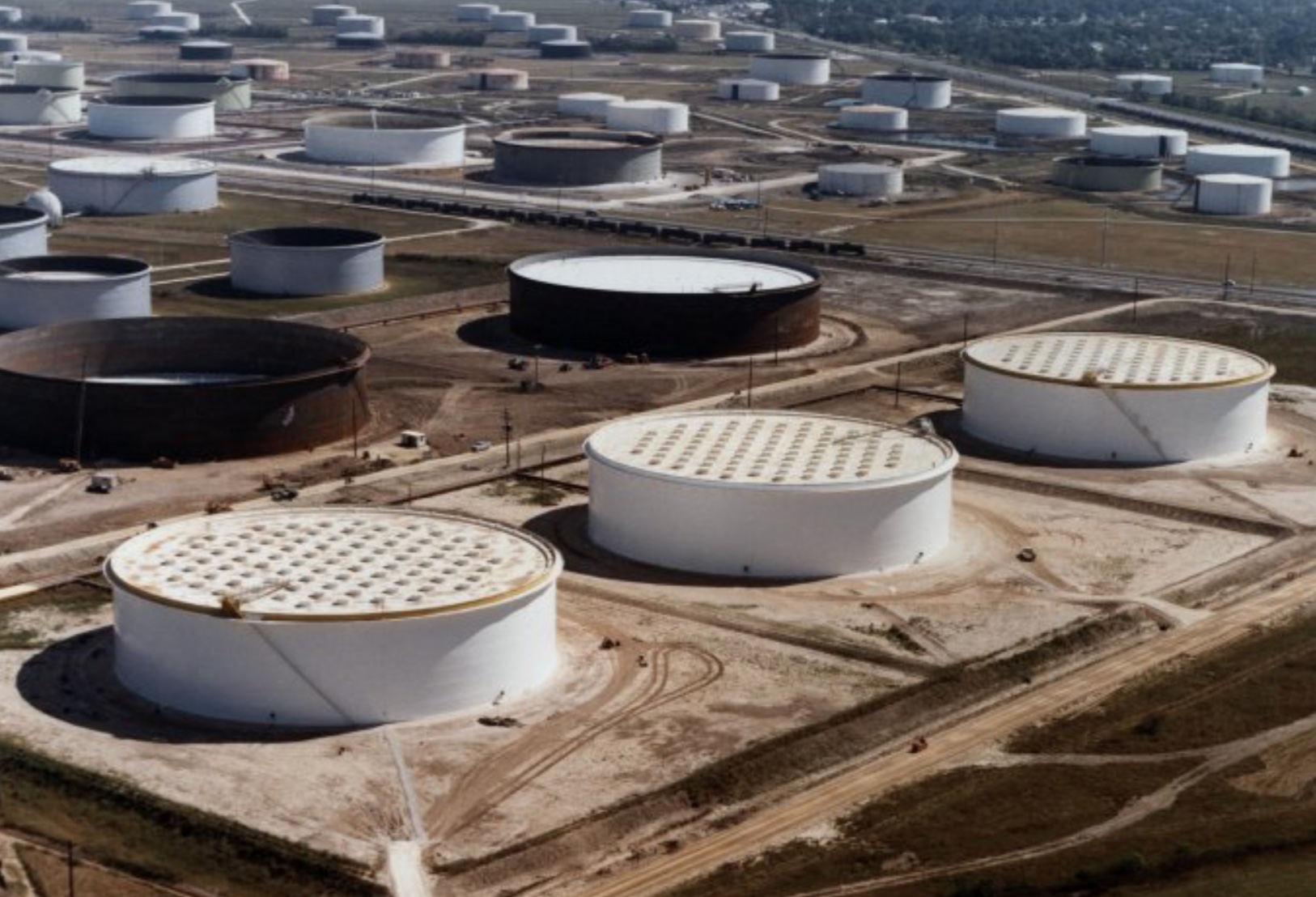
The price drop comes with a national security risk because President Joe Biden significantly drained the Strategic Petroleum Reserve by 1 million barrels a day, and the nation’s fuel reserve now has only 422 million barrels, down from 635 million barrels when Biden took office.
On Sept. 19, the Biden administration announced another auction of 10 million barrels from the reserve, which will be delivered throughout November, in time for the midterm elections. Earlier, the Department of Energy said it would release oil from the reserve until Sept. 19, but the department extended that to Sept. 27, with deliveries scheduled for Nov. 30.
At the beginning of October, the Strategic Petroleum Reserve will at a low level not seen since 1983.
Meanwhile, oil prices fell below $80 a barrel, with the longest stretch of weekly losses as governments and central banks attempted to stave off inflation. The price drop at the pump is good for consumers, but not as good for the state budget, which is currently predicated on oil futures at $101 barrels, while current futures are at $92.
The price of gasoline has begin to edge up. In Alaska, the average price last week was $4.88 per gallon, according to AAA. This week it’s selling for $5.005 per gallon, on average.
The U.S. is selling more barrels from its reserve than the production of most medium-sized OPEC countries, and it’s sells more than twice from the salt-cave as what flows through the Trans Alaska Pipeline System each day.
Meanwhile, in Congress, Democrats have proposed a bill that would allow the government to buy and sell oil from the Strategic Oil Reserve to other countries and use the money to fund electric car charging infrastructure.


