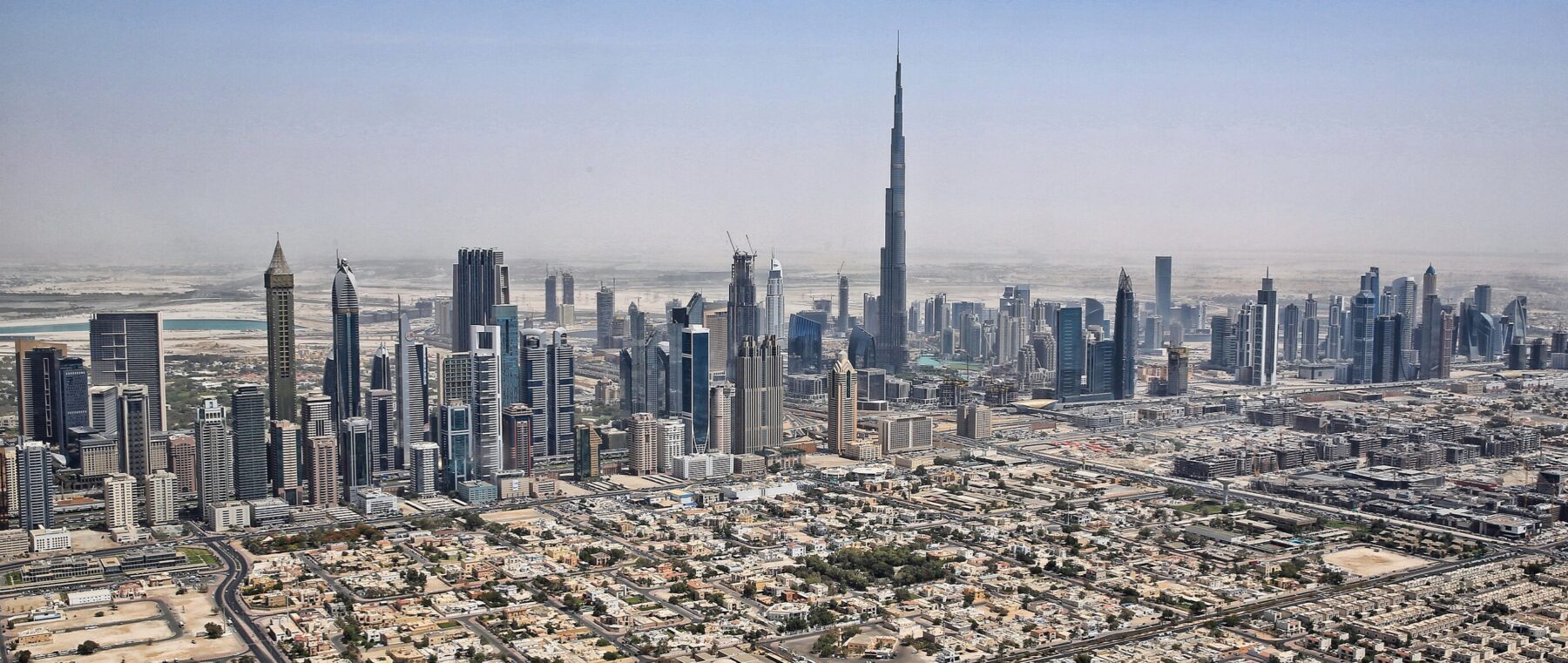
At the 28th international United Nations climate change summit in Dubai on Saturday, the U.S. Environmental Protection Agency announced a new final rule requiring oil and gas operators to drastically reduce methane escapes.
The Biden Administration also announced it joined an anti-coal coalition and vowed to stop using coal altogether, a blow to the 174,000 remaining coal-related jobs in America.
The methane rule may not appear to impact Alaska as much as Texas, but Alaska oil operators are not immune. They’ll have to devote more resources to chasing down any possible methane leak in places like the North Slope or Cook Inlet, where Hilcorp has offshore platforms that provide more than 80% of the gas used in the Railbelt. And they’ll need to spend money proving to the Environmental Protection Agency that they’re not leaking any methane, and fighting the government in court.
Natural gas used for power, heat, and cooking is made up primarily of methane and it’s difficult to completely plug every possible leak in the route it takes from the gas field to the power plant or cooking appliance.

In fact, most of Alaska’s population, centered in the Railbelt, depends on natural gas. At Chugach Electric, 82% of the utility’s electricity to its 92,000 members comes from natural gas-fueled power generation, with 15% from hydropower and 3% from wind turbines.
The new rule gives the EPA power to siphon money from producers and shippers at an even higher rate than it already does; in 2022, the EPA fined Hilcorp $180,000 for a methane leak, and that was before the final rule announced Saturday.
Most methane produced on the North Slope is actually from biological metabolism of soil organic matter stored in permafrost, which is released more quickly as the permafrost melts. In fact, about 40% of methane leaks are coming naturally from wetlands, according to NASA.
There are many other natural sources methane emissions, including termites, which contribute 11% of natural methane emissions, and animals like cattle, buffalo, wild boar, and domesticated pigs. Even chickens contribute, due to fermentation of their waste. The oceans alone contribute to about 8% of natural methane emissions.
At the climate change conference, Biden’s EPA Administrator congratulated his agency for finalizing the rules on methane: “This is historic news for our climate, for our future, and for our children. The standards today, while ambitious, are common sense.”
Vice President Kamala Harris said the time has come to take action.
“The urgency of this moment is clear,” she said. “The clock is no longer just ticking. It is banging. And we must make up for lost time.”
While the Biden Administration has made America’s methane a target, the United Arab Emirates, which is hosting the Cop28 UN climate summit in Dubai, has failed to report its methane emissions to the UN for almost a decade, The Guardian newspaper reported in August.
BIDEN HITS COAL INDUSTRY
Also in Dubai, Biden’s special envoy on climate John Kerry announced that the United States is joining the Powering Past Coal Alliance, which means the Biden Administration will not approve any new coal plants and will phase out existing ones, although no date as given for when the ones in operation must be mothballed. Fifty-six other countries in the no-coal coalition have vowed to stop using coal.
“We will be working to accelerate unabated coal phase-out across the world, building stronger economies and more resilient communities,” Kerry said in a statement on Saturday. “The first step is to stop making the problem worse: stop building new unabated coal power plants.”
To meet the goal of 100 percent carbon pollution-free electricity by 2035, the U.S. needs to phase out coal, Kerry said.
Alaska is a coal-rich state, where coal mines have operated since 1855. People can still pick up coal from beaches in Alaska, because it’s naturally made, a result dead plant matter being subjected to heat and pressure over millions of years, ultimately transformed to an energy-dense, combustible rock.
But although Alaska has an abundance of coal, just one operating surface coal mine exists today — Usibelli, which supplies about 1.2 million tons of coal per year and employs about 100 people, with two-thirds of them having worked at the mine for more than 10 years.
Alaska’s coal resources make one-sixth of the entire world coal reserves and about half of the United States coal-resource base. Yet, Alaska ranks 20th in U.S. coal production, in part due to the federal government owning over 61% of the state’s land. The top five coal producing states in thousand short tons are:
- Wyoming—244,730—41.2%
- West Virginia—83,448—14.0%
- Pennsylvania—39,701—6.7%
- Illinois—37,488—6.3%
- Kentucky—28,527—4.8%
Other than the University of Alaska Fairbanks coal-fired power plant that opened in 2018, after a build cost of $245 million, no new coal power plants have been built in the United States since 2015.
The Biden Administration in February also proposed an “energy efficiency standard” for gas cooking products. It’s an attempt to ban gas appliances altogether, starting with gas stoves, but later including gas-fired furnaces and outdoor grills. At least half of gas stove models sold in the United States today would not comply with this regulation, according to the Department of Energy’s own data.