
By DOUG VINCENT-LANG
The National Park Service is once again dividing Alaska by unjustifiably undermining the state’s sustainable management of Alaska’s wildlife. In the latest attack, the National Park Service has proposed rule making that prohibits traditional methods and means of hunting throughout national preserves in Alaska.
The Alaska National Interest Lands Conservation Act passed by Congress in 1980 is the single largest expansion of protected lands in U.S. history. Nearly 40% of Alaska was set aside for conservation and preservation purposes.
During the drafting of ANILCA, many Alaskans attended congressional hearings throughout Alaska as well as traveled to Washington D.C. to voice their concerns for how important it was to have continued access to resources on what would be new conservation system unit lands.
Based on this testimony, Congress included clear provisions protecting Alaskans’ traditional way of life and our ability to use the newly set aside federal public lands, and the resources on those lands, for our cultural, social, and economic needs.
ANILCA’s provisions are clear. They allow Alaskans to continue to access and hunt on the federal preserve lands Congress created in Alaska. Congress specifically designed ANILCA to allow all Alaskans to access our fish and game resources and for the State to manage these resources and the methods and means of hunting.
Despite this, the National Park Service has repeatedly tried to reinterpret this agreement and law and restrict Alaskans’ access to cherished State resources. This is unacceptable. Alaskans must rally to protect the balance Congress promised—a balance that maintains our resources for use by future generations.
By taking away our opportunities to hunt and be out on our lands, the National Park Service erodes the terms of our agreement memorialized in ANILCA to ensure this balance. Fish and wildlife are primary food sources for Alaskans and are vital to cultural and traditional heritage.
In its current rule making, the National Park Service is trying to rewrite ANILCA and dictate not only where, but also how, Alaskans can hunt on park service lands. The National Park Service is claiming they need to ban certain state general hunting regulations that they claim are incongruent with their park values and represent unfair hunting practices. Yet despite this, the very regulations they are proposing to ban under state regulations, they propose to implement through the authority of the Federal Subsistence Board.
We are perplexed by this seemingly incongruent logic.
To begin, the National Park Service is claiming Alaska has “sport” hunting regulations. Alaska does not have sport hunting regulations. Alaska has general hunting regulations that provide for subsistence and general hunting. In contrast, the Federal Subsistence Board regulations only allow rural qualified users to participate.
When the National Park Service replaces state general hunting regulations with federal regulations they limit participation. State regulations provide the opportunity to hunt on park service land for Alaskans who have customary and traditional ties to wildlife, but are displaced to urban areas for health, educational, and socio-economic reasons. Federal regulations do not. But they do allow for a new rural resident who has no customary ties to resources here to hunt. So, the proposed rule must not be to provide for customary and traditional practices. And the rule making must not be because the hunting methods are against park values. If it were, the National Park Service would ban the practices entirely. Yet they have not. They allow these practices by rural residents.
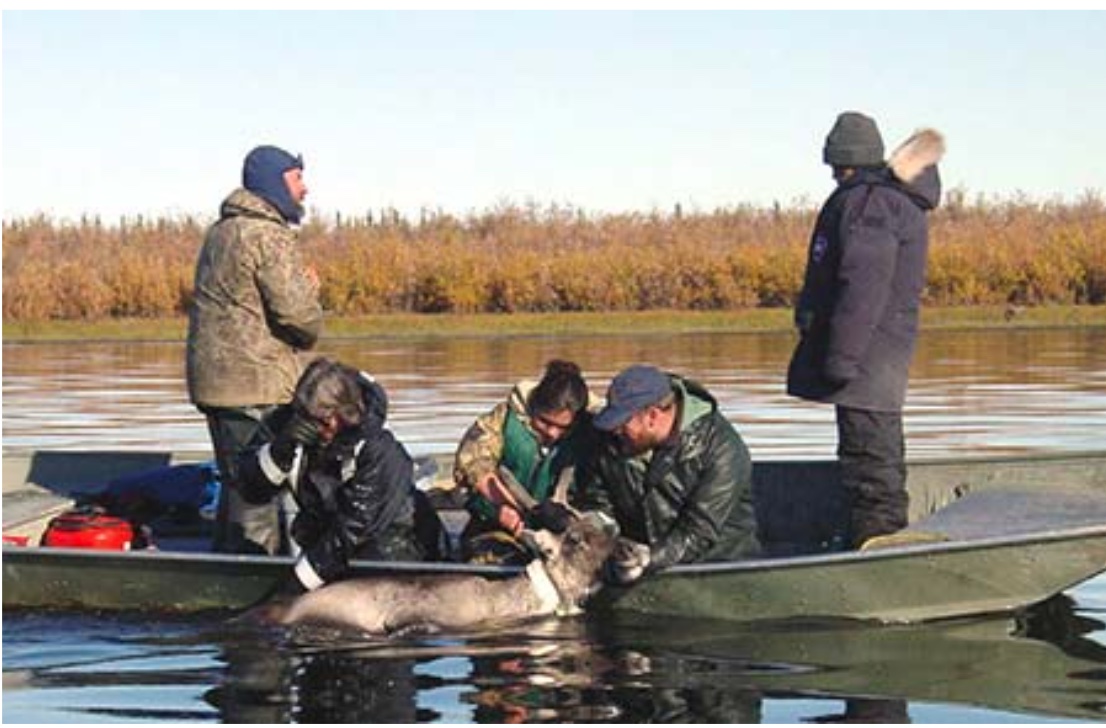
One is left to wonder how it can be within park values to allow the taking of a swimming caribou by a new rural resident who has no tie to this method while barring a person who has a history of traditional and cultural hunting practices but now is displaced to an urban center from hunting.
The National Park Service also has no conservation concerns for our wildlife driving this rule making. They agree our populations are healthy and appropriately managed throughout Alaska preserves.
In sum, their rulemaking is not providing customary and traditional practices, they are not re-enforcing park values, and there is no conservation concern. It’s simply an example of making hunting rules that are unneeded, to solve problems that don’t exist, by bureaucrats that don’t hunt. It is not what Congress intended.
Congress enacted ANICLA to allow Alaskans to hunt on newly created preserve land. ANILCA is supposed to allow all Alaskans to access our fish and game resources. Now the park service seems to be saying that they can rewrite this law and unilaterally determine how, in addition to where, Alaskans can hunt on National Park Service land. This appears to be a desire to replace state management with federal management and abandon finding ways to fulfill the commitments made to Alaskans in ANILCA.
Expect Alaska to continue its fight to ensure the bipartisan commitments made to our state at statehood and reconfirmed under ANILCA are maintained and not eroded by unilateral federal actions.
We, as Alaskans, should be in control of Alaska’s resources, not federal agencies in Washington D.C. who are more interested in forwarding preservation agendas than honoring the rights of Alaskans. Please join in this fight.
Doug Vincent-Lang is the commissioner of the Alaska Department of Fish and Game.


