
The Federal Aviation Administration has released its final rule to limit carbon particles emitted by subsonic aircraft engines.
The rule sets maximum standards for the amount of non-volatile particulate matter exhaust emissions from U.S. civil aircraft engines. It aligns with Environmental Protection Agency recommendations and International Civil Aviation Organization standards. Public comment on the rule is due by June 24.
“This first-of-its-kind rule in the United States will reduce the environmental impact of civil aviation on our health and climate,” said Laurence Wildgoose, assistant administrator for the FAA’s Office of Policy, International Affairs and Environment.
The FAA says that ultra-fine carbon particles that aircraft engines produce are an inhalation concern for humans. Also, nvPM emissions can become the nucleus for persistent contrails, the line-shaped clouds behind some jet engines that may expand into broader cloudiness that may affect the planet.
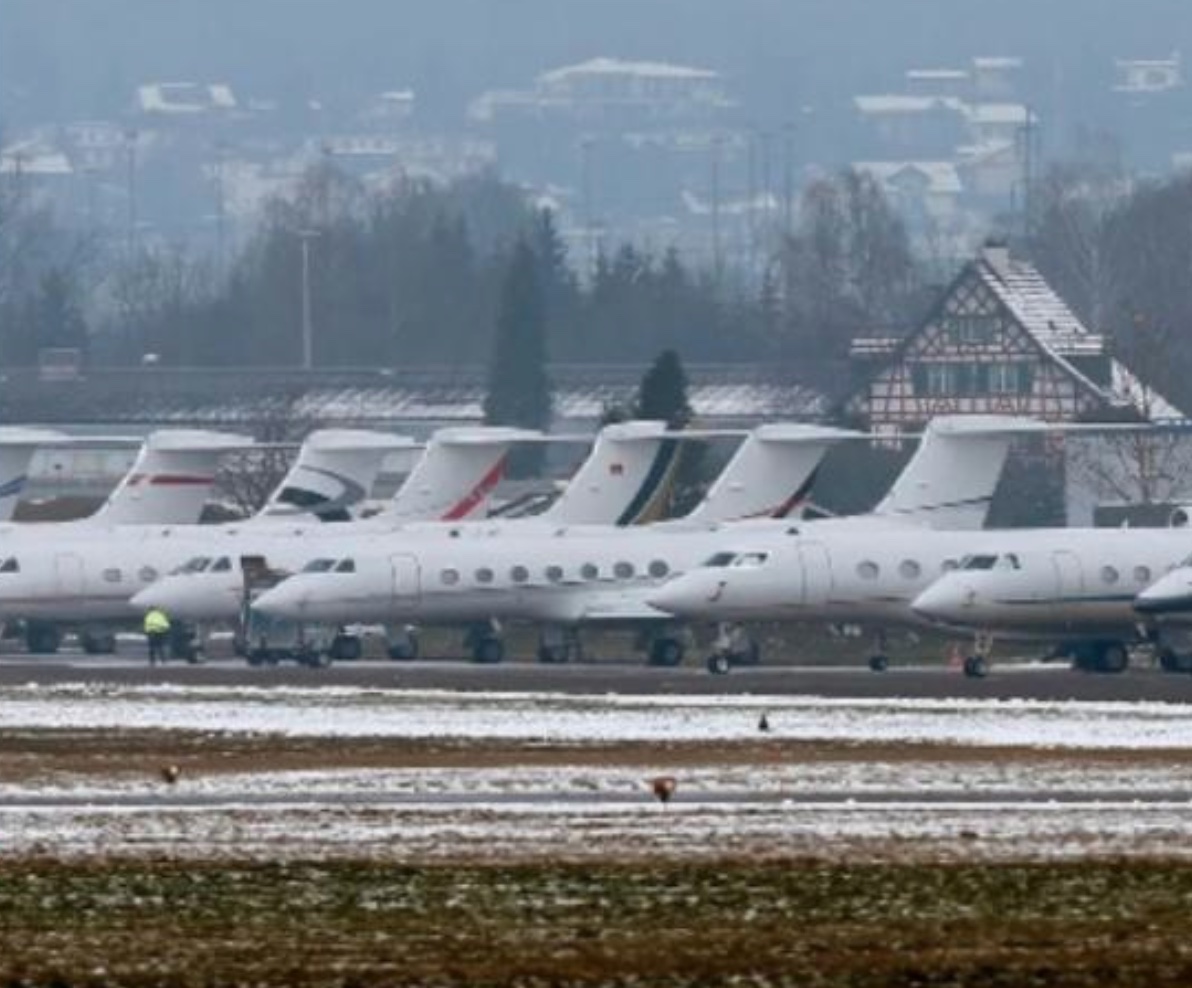
The rule will cost manufacturers and ultimately the buyers, operators, and flying public. It applies to aircraft including the Boeing 777X, some Boeing 787 Dreamliners, Airbus 330, as well as some business jets and turboprops.

The costs to certify airplanes to the fuel efficiency standard could be anywhere from $800,000 to $1.4 million, according to Forbes. The FAA says planes covered by the new rule are responsible for “nine percent of domestic transportation emissions and two percent of total U.S. carbon pollution.”
The action is part of the U.S. Aviation Climate Action Plan that sets a vision to achieve net-zero greenhouse gas emissions from the U.S. aviation sector by 2050.
The federal government’s vision is that emissions will be decreased through:
- The introduction of new, more efficient aircraft by airlines into their operational fleets and retirement of older, less efficient aircraft.
- Development of new, more energy efficient aircraft and engine technologies by the original equipment manufacturers (OEMs).
- Improvements in aircraft operations throughout the National Airspace System (NAS) by the U.S.Government (USG) and by airlines flying more optimal trajectories for reduced fuel use and contrail impacts.
- Production of Sustainable Aviation Fuels (SAF) by the energy sector.
- Electrification and potentially hydrogen as solutions for short-haul aviation.
- Advancements in airport operations across the United States.
- International initiatives such as the airplane CO2 standard and the Carbon Offsetting and Reduction Scheme for International Aviation (CORSIA).
- Domestic policies and measures to help meet emissions targets.
- Support for research into climate science related to aviation impacts.


