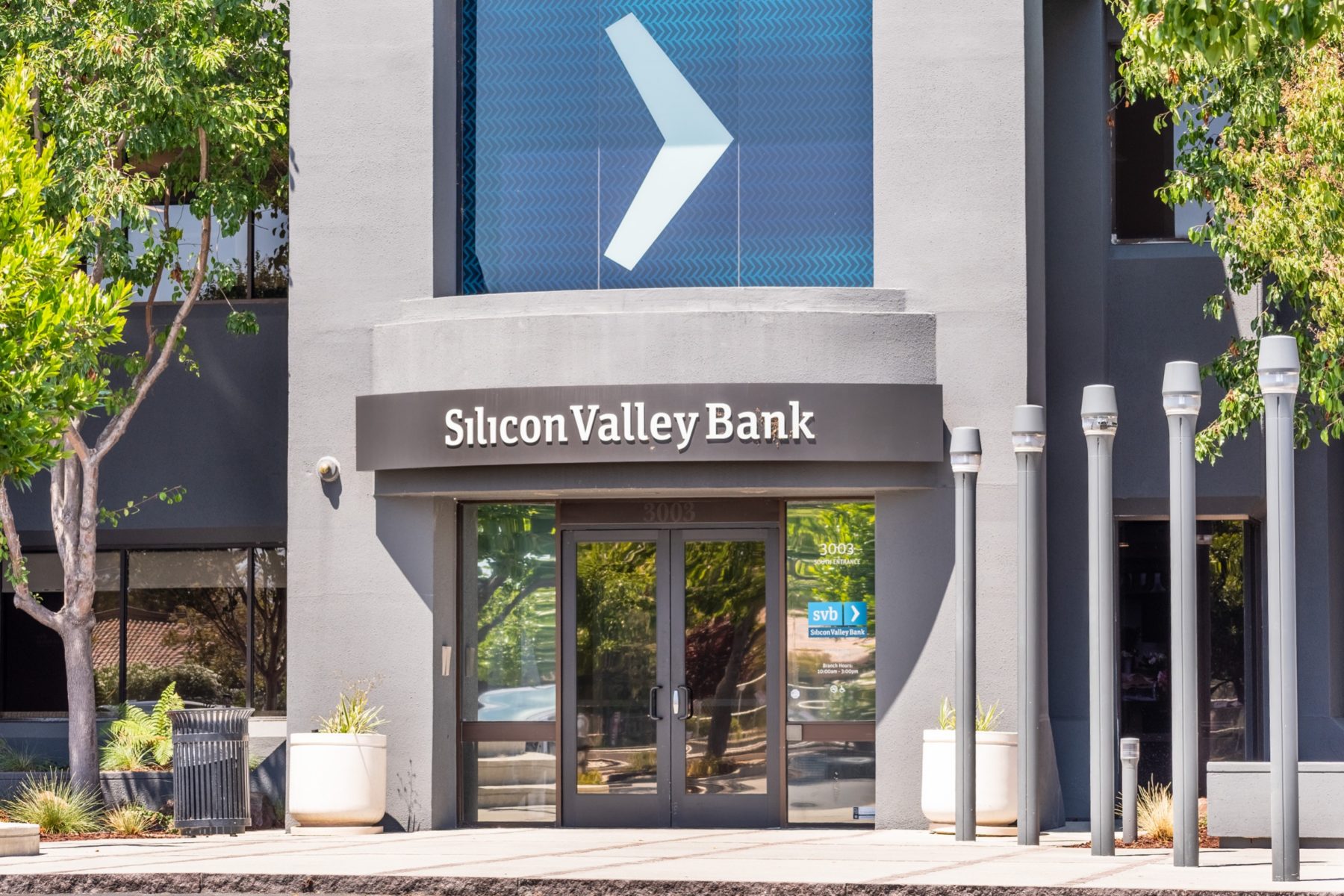
Three USA-based banks have failed in four days.
All of the banks appeared to have been hiring managers for their “identity,” rather than for skill, and were investing heavily in the environmental, social, and governance priorities known as ESG and in the diversity, equity, inclusion priorities known as DEI.
They are now being rescued by a federal government that, if regulated by the Federal Deposit Insurance Corporation, would be shut down itself for being too strung out financially. After all, the U.S. Treasury is also taking extraordinary steps just to keep the United States from defaulting on its own debts.
According to FDIC, there will be no actual bailout of Silicon Valley Bank or Signature Bank of New York, and taxpayers will not bear any of the costs of the rescue. Regulators said depositors at both SVB and Signature Bank, which was also closed by New York regulators on Sunday, will have access to their money.

“Today we are taking decisive actions to protect the U.S. economy by strengthening public confidence in our banking system,” said the joint statement from Fed Chair Jerome Powell, Treasury Secretary Janet Yellen and FDIC Chair Martin Gruenberg on Sunday afternoon.
The failure of Silicon Valley Bank on Friday has some banking customers on edge. It is the 18th largest bank in the nation, with tens of billions on its books as liabilities. It was one of the banks that had been subpoenaed by the Attorney General of the Virgin Islands, looking for where American sex offender and financier Jeffrey Epstein’s funds were located.
The Alaska Permanent Fund Corporation has limited exposure to the SVB institution; Executive Director Deven Mitchell said more would be known on Monday by APFC.
Signature had $88.59 billion in deposits as of Dec. 31. The New York Department of Financial Services took possession of the bank on Sunday.
A third bank, Silvergate, which was heavily involved with crypto currency, collapsed on March 8. At one point, it had $10 billion in deposits, but by December, it was down to $6.3 billion, having lost half its value in just three months.
SVB, Silvergate, and Signature Bank of New York are financial institutions that bought into the climate change narrative, woke investing policies, and LGBTQ-equity politics.
While all banking institutions appear to be buying into climate change theology and diversity-equity ideology, SVB, Signature Bank, Silvergate, and First Republic Bank are some of worst for focusing on social and environmental issues instead of banking basics.
Read Signature Bank’s woke priority accomplishment statement at this link.
The head of risk management for SVB identifies “As a queer person of color and a first-generation immigrant from a working-class background.”
Jay Ersapah, head of Financial Risk Management for the United Kingdom branch the bank,spent time building up the LGBTQ programs for the work place, including creating a “safe space” for people to tell their stories about coming out as LGBTQ+.
The bank also held month-long Pride celebrations and a website for LGBTQ+ youth.
Ersapah, a poster child for quota-not-merit promotions, has since taken down her LinkedIn profile that showed her to be the recipient of the company’s LBGTQ award, “outstanding LGBT+ Role Model Lists 2022.”
GOP presidential candidate Vivek Ramswamy told Breitbart News this weekend that SVP is “one of the biggest evangelists of DEI (Diversity, Equity, Inclusion)” and that he would not bail the bank out if it were up to him.
SVP was taken over by FDIC on Friday and regulators spent the weekend coming up with plans for Monday’s bank opening. The financial experts on the Sunday news shows were all over the map about what will happen next.
The bank collapses come at a time when the Biden Administration is putting into place rules that allow retirement fund investors to follow the “Environmental, Social, and Governance” (ESG) investment strategies, rather than invest on behalf of American workers and try to ensure they have enough money to retire on.
The joint statement from FDIC and the Federal Reserve in full
The following statement was released by Secretary of the Treasury Janet L. Yellen, Federal Reserve Board Chair Jerome H. Powell, and FDIC Chairman Martin J. Gruenberg:
Today we are taking decisive actions to protect the U.S. economy by strengthening public confidence in our banking system. This step will ensure that the U.S. banking system continues to perform its vital roles of protecting deposits and providing access to credit to households and businesses in a manner that promotes strong and sustainable economic growth.
After receiving a recommendation from the boards of the FDIC and the Federal Reserve, and consulting with the President, Secretary Yellen approved actions enabling the FDIC to complete its resolution of Silicon Valley Bank, Santa Clara, California, in a manner that fully protects all depositors. Depositors will have access to all of their money starting Monday, March 13. No losses associated with the resolution of Silicon Valley Bank will be borne by the taxpayer.
We are also announcing a similar systemic risk exception for Signature Bank, New York, New York, which was closed today by its state chartering authority. All depositors of this institution will be made whole. As with the resolution of Silicon Valley Bank, no losses will be borne by the taxpayer.
Shareholders and certain unsecured debtholders will not be protected. Senior management has also been removed. Any losses to the Deposit Insurance Fund to support uninsured depositors will be recovered by a special assessment on banks, as required by law.
Finally, the Federal Reserve Board on Sunday announced it will make available additional funding to eligible depository institutions to help assure banks have the ability to meet the needs of all their depositors.
The U.S. banking system remains resilient and on a solid foundation, in large part due to reforms that were made after the financial crisis that ensured better safeguards for the banking industry. Those reforms combined with today’s actions demonstrate our commitment to take the necessary steps to ensure that depositors’ savings remain safe.