
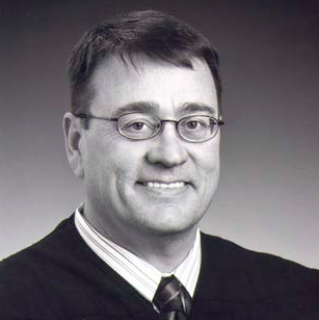
It was apparent throughout today’s hearing that no matter what charges a group might lodge — true, false, frivolous, or ridiculous — the voters should have the right to decide on the merits of whether a lawmaker should be recalled in Alaska. It doesn’t matter if the ballot describes falsehoods in its allegations. It will be up to Gov. Mike Dunleavy to essentially run again in a special recall election, and tell people that he did not commit those offenses that are being alleged.
Judge Eric Aarseth issued his ruling today after the Recall Dunleavy Committee and the Attorney General presented their opposing views in Superior Court.
Whatever the allegation are, they are is taken as true, the judge opined. It’s up to the voters to decide “if they are true or not true.” His ruling will be appealed by the governor’s supporters, Stand Tall With Mike to the Alaska Supreme Court.
It was expected that the lower court judge would rule in favor of the Recall committee.
One allegation, however, was struck as false. It said the Legislature was precluded from performing its responsibilities. He said the Legislature could override a veto. But the judge said the other allegations could be interpreted as true.
This court is of the opinion it doesn’t have the discretion to create more stringent definitions” than previous courts, he said.
This story will be updated.
The judge allowed the petitioners to get their next petition from the Division of Elections by no later than Feb. 10, when they can start collecting the 78,000 signatures they will need to place the item on the ballot. The Stand Tall With Mike group said they would ask the judge to stay that decision, although Aarseth had already indicated how he would rule.


