
President Joe Biden and the “Gang of 10” U.S. senators announced they had come to an agreement on an infrastructure spending package.
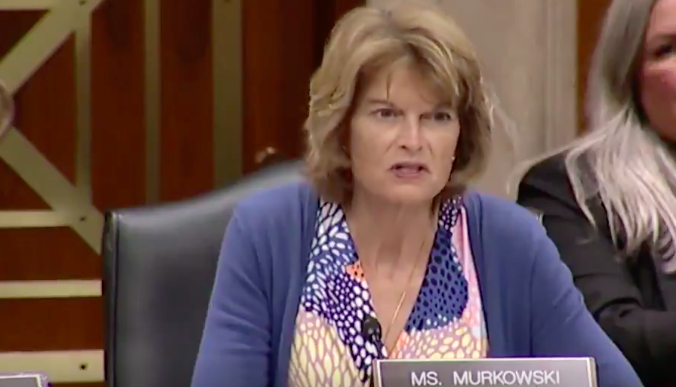
With the support of senators including Sen. Lisa Murkowski of Alaska, Joe Manchin of West Virginia, Susan Collins of Maine, and Mitt Romney of Utah, Biden stood in the driveway of the White House and told reporters, “We have a deal. I clearly didn’t get all I wanted. They gave more than I think maybe they were inclined to give in the first place.”
The details of the deal are not clear, except that it looks to spent $1.2 trillion over eight years, with nearly $1 trillion to be spent within the first five years.
An estimated $579 billion would be for roads, bridges, and tunnels, and it’s unclear how much of the day-care spending was preserved as infrastructure, as requested by hardline Democrats trying to shove social programs through as a new definition of “infrastructure.”
One document shows some of the spending commitments to be voted on by the full Senate:
Transportation: $312 billion
- Roads, bridges, major projects: $109 billion
- Safety: $11 bilion
- Public transit: $49 billion
- Passenger and freight rail: $66 billion
- Electric vehicle infrastructure: $7.5 billion
- Electric buses / transit: $4.5 billion
- Reconnecting communities: $1 billion
- Airports: $25 billion
- Ports and waterways: $16 billion
- Infrastructure financing: $20 billion
Proposed financing sources for new investment
- Reduce the IRS tax gap
- Unemployment insurance program integrity
- Redirect unused unemployment insurance relief funds
- Repurpose unused relief funds from 2020 emergency relief legislation
- State and local investment in broadband infrastructure
- Allow states to sell or purchase unused toll credits for infrastrucrue
- Extend expiring customs user fees
- Reinstate Superfund fees for chemicals
- 5G spectrum auction proceeds
- Extend mandatory sequester
- Strategic petroleum reserve sale
- Public-private partnerships, private activity bonds, direct pay bonds and asset recycling for infrastructure investment
- Macroeconomic impact of infrastructure investment
President Donald Trump presented an infrastructure plan to Congress in February 2018. It had $200 billion in federal funding and $1.5 trillion from the private sector. Democrats opposed the plan because of its reliance on state and local funding and private investments.
In 2020, the Trump Administration offered a $1 trillion infrastructure plan. The mainstream media then reported it as a campaign gimmick during a presidential election year.


