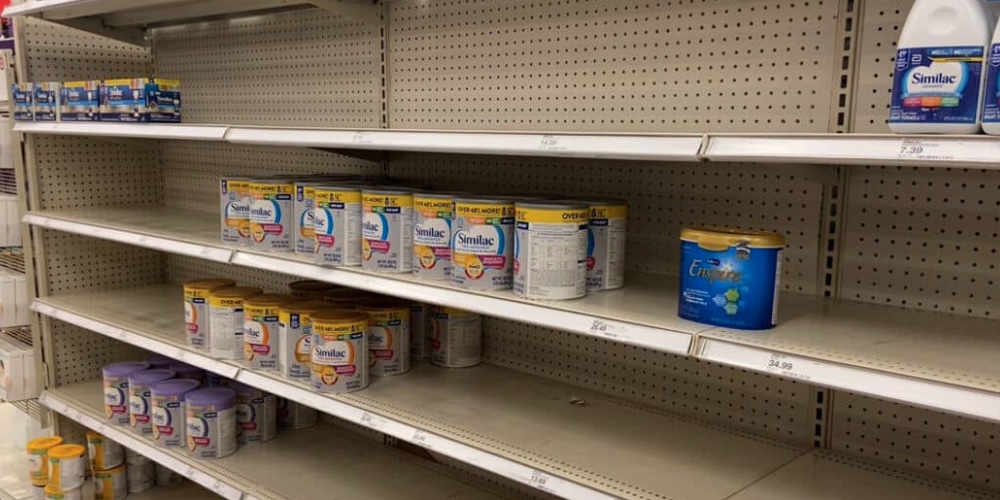
At a time when young families are praying the Alaska Legislature will give them their full statutory Permanent Fund dividend so they can buy groceries and gas, baby formula is now in short supply.
The situation appears to be worsening after over two months of shortages.
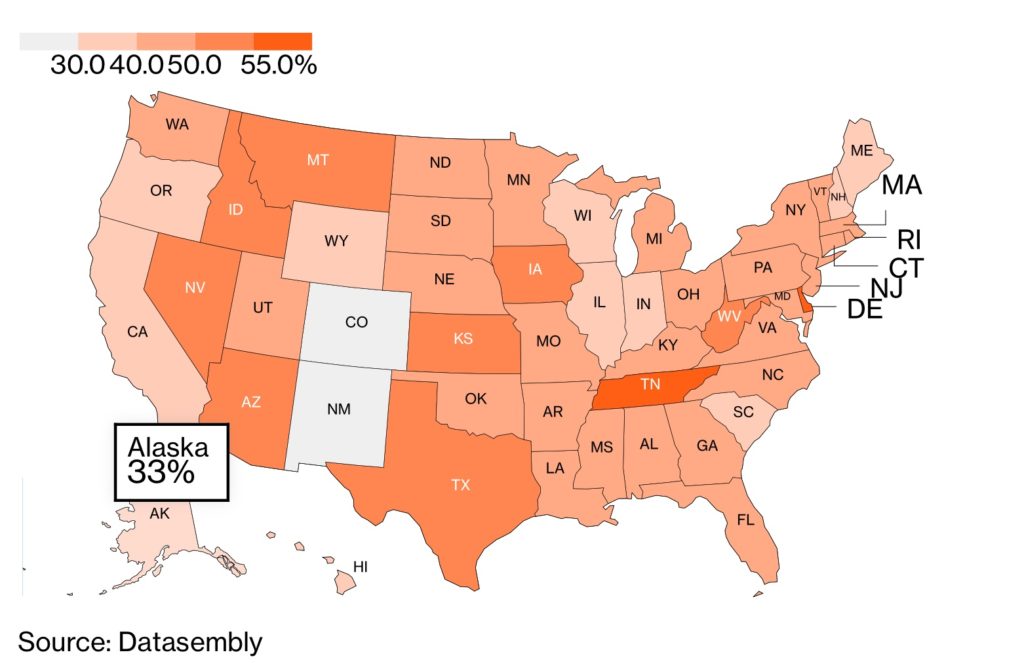
Alaska now has a 33 percent deficiency in the supply of the needed food for infants who can’t take mother’s milk or who need specialized formula due to medical conditions, according to industry sources. Many parents use the Women, Infants, and Children (WIC) program to help them afford the expensive, proper food for their growing children.
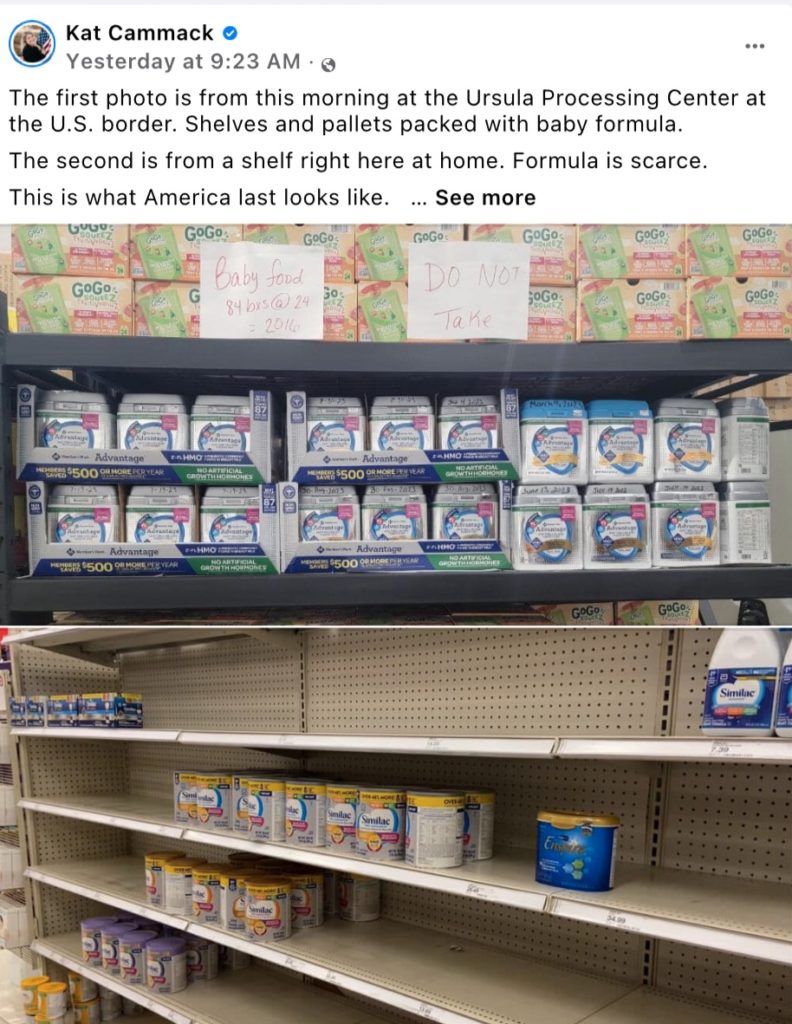
Now, the Biden Administration is under attack for sending pallets of baby formula to warehouses along the U.S.-Mexico border for illegal immigrants coming into the United States, while shelves are bare in American stores.
Rep. Kat Cammack, a Republican Congresswoman Kat Cammack of Florida, said on Wednesday that a border patrol officer in Texas told her he had taken pallets of formula to a warehouse to ensure immigrant babies would be able to eat.
President Joe Biden, meanwhile, met with the CEOs of Walmart, Target, and other stores to learn about the struggles retailers are having getting formula for their shelves. The president may set sanctions on price gouging, and increase imports of formula, while the manufacturers try to resupply the nation. White House spokesperson Jen Psaki was noncommittal about the progress being made to stave off a complete collapse of the baby formula supply chain.
In addition to a broken supply chain, there was a major recall of infant formula in March by the largest manufacturer of the product, Abbott Nutrition. Government officials said the supply issue was supposed to be resolved in March, but then the date was pushed back to April. Now, the stores are still seeing bare shelves.
It’s the kind of stress that young parents never forget — the inability to feed their babies because there is no food on the shelves and what is there is being marked up.
Gov. Mike Dunleavy issued a statement today about the problem developing in Alaska:
“I’m concerned that our most vulnerable are now bearing the brunt of supply chain issues. As families now struggle to get the proper formula for their babies, please consult your doctor to ensure the little ones get the proper nutrients they need. Here is some information on the situation we have received from Alaska Health and Social Services: A Nationwide formula shortage affecting Alaska started in mid-February due to a voluntary recall by Abbott. Since then, the supply chain issues have impacted the matter further. Formula-fed infants are dependent on formula availability for their well-being, growth, and development. Unfortunately, there are no recommended substitutes for infant formula. The Women, Infants, and Children (WIC) program has monitored the situation since the beginning of the recall. We have a contract with Abbott providing a substantial rebate for participation that is paid back to the state to offset the overall costs of the formula. It reduces the federal spending to the program. Approximately 95% of formula-fed WIC infants have been prescribed Abbott products.During the recall, we were allowed the flexibility for participants to purchase a wide variety of formulas. However, we are unclear how long we will be given this flexibility,” Dunleavy said.
According to Datasembly, a “provider of real-time product pricing, promotions, and assortment data for retailers,” baby formula out-of-stock rates continue to climb in May.
Datasembly’s analysis shows the stocks of formula were relatively stable for the first half of 2021, with out-of-stock fluctuation between 2-8%. The analysis shows that in April of 2022, baby formula shortages hit 30% and jumped to 40% at the end of April.
For the first week of May the nationwide out-of-stock situation for baby formula continues to climb. The nation-wide OOS percentage is now at 43% for the week ending May 8th.
Sen. Tom Cotton of Arkansas wrote to Food and Drug Administration Commissioner Robert Califf this week demanding answers about the dangerous shortage of infant formula and asking how the FDA is planning to combat the issue.
“Millions of babies rely on formula for their nutritional needs. Major retailers are limiting the amount of infant formula customers can purchase per visit, and families are being forced to pay higher prices and fees to obtain adequate food for their child. This places an additional burden on hardworking Americans already spending more on necessities due to inflation,” he wrote.
“I hope that the FDA understands the extraordinary strain this crisis has placed on parents and children alike and is doing everything in its power to re-open the Abbott plant,” Cotton wrote.
Text of the letter may be found here.