
PROPOSITION 9 WOULD REQUIRE A 50+1 MAJORITY
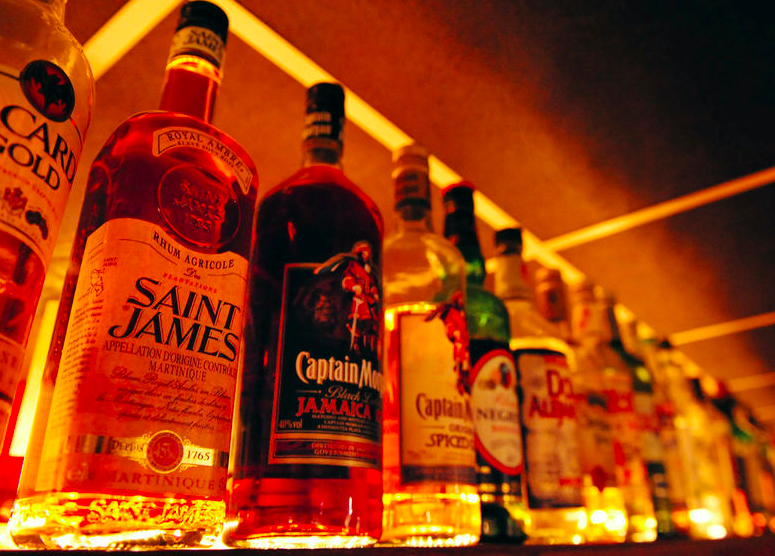
The ballots are in the mail, and before April 2, Anchorage voters will be deciding whether to levy a 5 percent tax on their drinking habits. The mayor says the $11 million to $15 million he’ll raise with this tax will be used to pay for homeless services.
Proposition 9 states the alcohol tax would be used for health and public safety uses. After the city pays itself for the cost of administration, collection, and auditing, the remainder of the tax would go toward alcohol and substance misuse prevention and treatment, community behavioral health programs, public safety, and homelessness prevention and response, including cleaning up homeless campsites.
Alaska has the highest alcohol tax in the nation, at $12.80 cents per gallon, a result of a tax imposed by the Legislature in 2002, when lawmakers, led by then-House Rep. Lisa Murkowski, sought to abate alcoholism in the state by doubling the tax on hard liquor and tripling the tax on wine. Beer tax went up too, but not as much.

The effort didn’t slow down drinking in Alaska, which increased dramatically in the years after the tax: Hard liquor sales skyrocketed by over 40 percent and wine sales went up 56 percent. The tax is levied at the wholesale level, and is incorporated into the cost of the product consumers buy.
Now, Anchorage Mayor Ethan Berkowitz wants to add another tax, this one to pay for social services for the homeless: Shelters, substance abuse treatment, he cites as examples. But the language of the proposition is broad — any public safety or health issue could qualify to tap into the tax revenues. For example, pay increases for muni police and fire personnel would be considered a public safety expenditure.
HOW WILL THIS AFFECT YOU
If you buy alcohol either at a bar or a liquor store, you’ll end up paying more. A $25 bottle of wine will cost you $1.25 more, on top of the 66 cents per liter you pay to the State for its excise tax.
A $60 bottle of gin has a state tax of between $2.50 (for 750 ml) and $3.38 (liter). You’ll pay another $3 to Anchorage to help the homeless.
Drink at a bar? That’ll be 50 cents more for a $10 cocktail. Dinner out? Add on 45 cents more for a $9 glass of wine.
Normally, taxes in Anchorage must be passed by three-fifths of the voters. But Proposition 9 asks voters to also bypass the charter and approve this tax on a simple 50+1 majority.
Juneau has a 3 percent sales tax on liquor, which is added to the 5 percent local sales tax, for a total of 8 percent. The City of Fairbanks levies a 5 percent sales tax on alcoholic beverages.
WHY DIDN’T THE STATE BOOZE TAX END CHRONIC ALCOHOL ABUSE?
With Rep. Murkowski leading the charge for the state alcohol tax in 2002, she and other tax advocates said the money would be dedicated for alcohol and drug abuse programs. But even while the state collected hundreds of millions of dollars in revenue, it spent less and less on these programs. The Alaska Constitution doesn’t allow tax revenues to be dedicated to special uses, but generally 50 percent of the alcohol tax collected goes for treatment of alcohol abuse, far less than the apparent need.
In 2003, the State of Alaska alcohol tax brought in $10 million in revenue. By 2018, the state collected $39.2 million from alcohol sales.
Mayor Berkowitz plans to collect another $11-15 million starting in January, 2020.


