
It appears the bickering between the Anchorage Assembly and the new mayor has been settled, at least when it comes to the plan to help the homeless.
The Anchorage Assembly on Tuesday approved giving the Alaska Community Foundation $3.2 million for the purchase of two hotels that would be used to house and rehabilitate homeless people in Anchorage. The plan is part of the reappropriating of $6 million from the General Capital Improvement Project Fund in support of the mayor’s plan to exit the mass care facility now at the Sullivan Arena.
The Sullivan was commandeered by former Mayor Ethan Berkowitz during the early days of the Covid pandemic in order to space out men and women at the various shelters around town. Now, the Bronson Administration has to figure out how to legally get out of the arena arrangement. The liberal Assembly bucked him on his plan this summer, which meant the homeless are still stuck on cots in the Sullivan Arena this winter. But the Assembly agreed to negotiate with the mayor, and those negotiations have been finalized after several months.
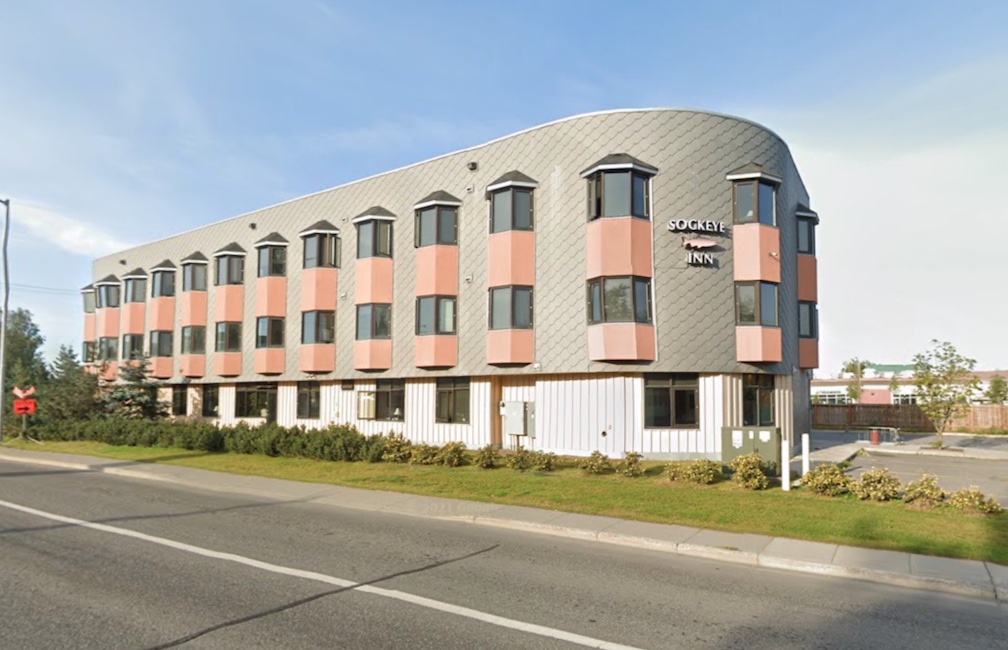
The to-be-purchased Sockeye Hotel in Spenard would be used for a medical convalescent center to care for up to 120 people, while the Barratt Inn in Spenard would be a workforce housing site for up to 150 people.
Another $2.8 million is to be spent on the design and possible partial manufacture of an homeless shelter and navigation center, where social services would be offered which is to be located in East Anchorage.
The total being given to the Alaska Community Foundation for this solution is $6 million. The foundation and other nonprofits are expected to raise another $6 million.
Details:
Purchase of the Sockeye Hotel for a Medical Convalescence Facility for up to I20 clients . ($2M)
– Services will include personal care assistance to help clients with activities of daily living — toileting, bathing, basic hygiene.
-Assisting clients to become Medicaid eligible for these services or assisted living homes.
– Operational dollars are a combination of FEMA during mass care draw down and then alcohol tax/AHD operating dollars, Medicaid, and philanthropy.
– Property is initially held through agreement with JL Properties.
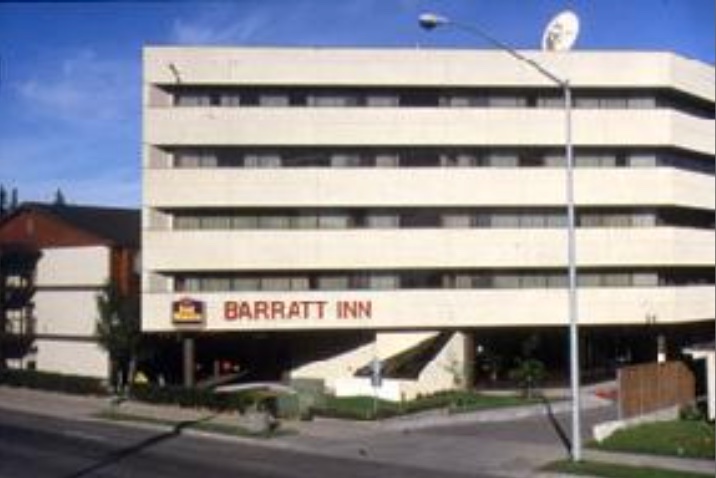
Purchase of the Barrett Hotel for Workforce and Permanent Supportive Housing for up to 120 clients. ($1.2M)
– Partnership with existing providers of permanent supportive housing, which is a program that will pay for client rent and supportive services.
– Workforce micro units funded by Emergency Rental Assistance set aside for shelter to lease. Lease payments will pay for overall property management and light touch case management.
– Workforce micro units also eligible for housing voucher placements.
“After months of negotiations with the Assembly, I am pleased our plan is moving forward to help Anchorage’s most vulnerable citizens,” said Mayor Dave Bronson. “As I’ve said from the beginning, we must confront this problem head on and work to find comprehensive solutions that include housing, services, and treatment options to those experiencing homelessness. The actions taken this week are a positive step forward to providing permanent and appropriate shelter and returning the Sullivan Arena to its intended purpose: hosting sporting events and social gatherings for our community. This was a bipartisan effort, and I am proud of the work that went into this plan.”
The plan agreed upon by the Bronson Administration and the Assembly over months of negotiations:
- Provides $6 million in funding to execute a city-wide mass care exit strategy
- Purchase two properties that will serve as medical support and supportive housing centers
- Direct $2.8 million to design and manufacture a navigation center to handle 200 individuals, with a surge capacity to handle an additional 130 individuals
- Partner with local businesses and institutions for further investments to solve homelessness in Anchorage
Anchorage Health Director Joe Gerace said, “I am proud of the dedicated work done by the working group and thank them for finding common ground that allows us to move forward.”


