
“There is nothing more permanent than a temporary sales tax.” – Anon
It’s tax season and Alaskans are starting to prepare for the April 15 federal tax deadline.
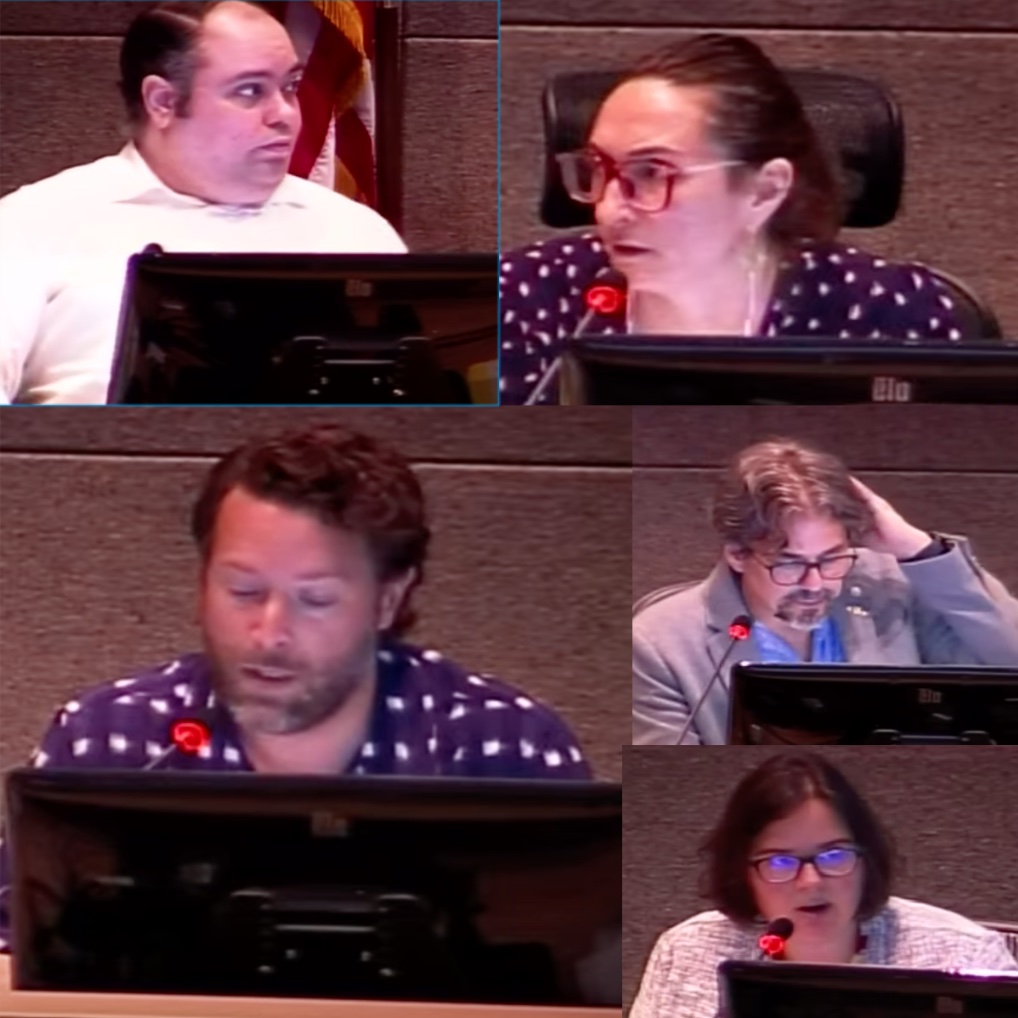
The Anchorage Assembly on Tuesday night delayed a public vote on whether to enact the Assembly’s proposed 3% “temporary” sales tax. It won’t be on the April 1 ballot.
Rather than drive fed-up residents to the polls right when people are calculating their federal tax returns, a time when liberal candidates favored by the Assembly majority might be rejected by voters, the Assembly will instead have a special election for the sales tax, at a date to be determined. Likely, it will come at a time when the public is distracted by fishing or holidays and won’t send in their ballots. Anchorage conducts all of its elections by mail.
With fewer people paying attention, the Assembly can assure a low turnout, which means that the municipal employees and unions will make up the majority of the voters, while the rest of Anchorage sits it out on a salmon stream somewhere in Alaska.
Special elections like this are designed for a certain outcome. City workers and their unions will want that sales tax to go through, because government workers always want more resources to have more government programs.
The Assembly is looking for revenues it can get outside of the tax cap, which it is now up against. Recently, it increased tariffs at the Port of Alaska — outside the tax cap. Most bonds on the municipal ballots have a caveat that all future costs related to a project, such as operation and maintenance, will also be outside the tax cap. The alcohol tax is outside the tax cap. The list of taxes the city leaders and voters have passed outside the cap is extensive.
Proponents have promised it will reduce property taxes, but they are challenged by a public that has little faith in government promised being kept.
The sales tax proposal by Assembly members Randy Sulte and Felix Rivera might generate $180 million annually, but would have significant administrative costs and mean additional revenue staff. The sponsors say the sales tax would be temporary.
Sales taxes never end up being temporary.
For example, Minnesota passed a temporary sales tax that was later temporarily increased to 6% in 1982, and was made permanent the next year. Another temporary increase to 6.5% in 1991 is still on the books today — 33 years of temporary sales tax that not only didn’t go away, but has crept higher.
The special election is estimated to cost taxpayers $200,000.
The resolution to delay the election passed 7-5, with Scott Myers, Mark Littlefield, Karen Bronga, George Martinez, and chairman Chris Constant voting against it, and Meg Zaletel, Felix Rivera, Daniel Holland, Randy Sulte, Kameron Perez-Verdia, Anna Brawley, and Zac Johnson voting in favor.



