
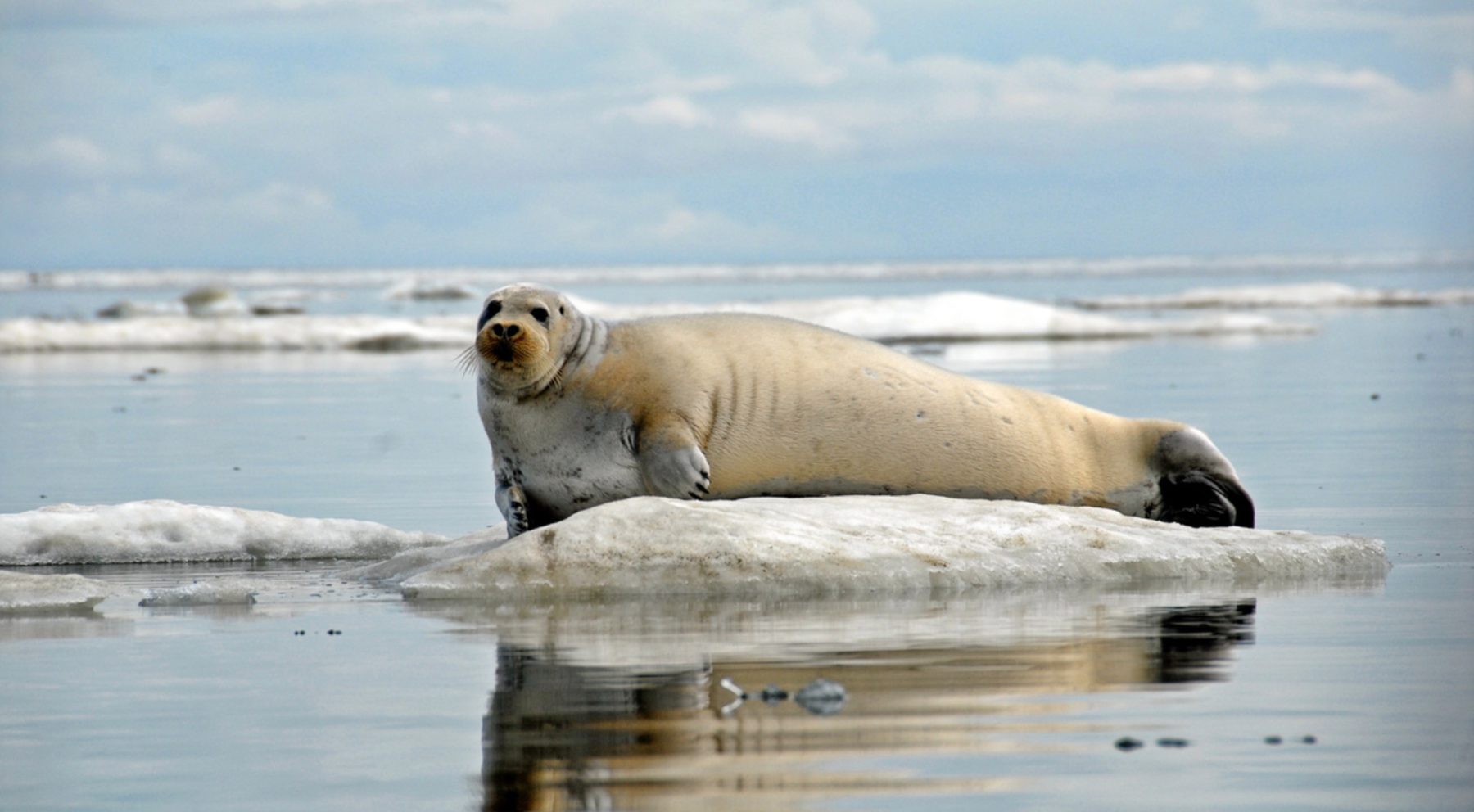
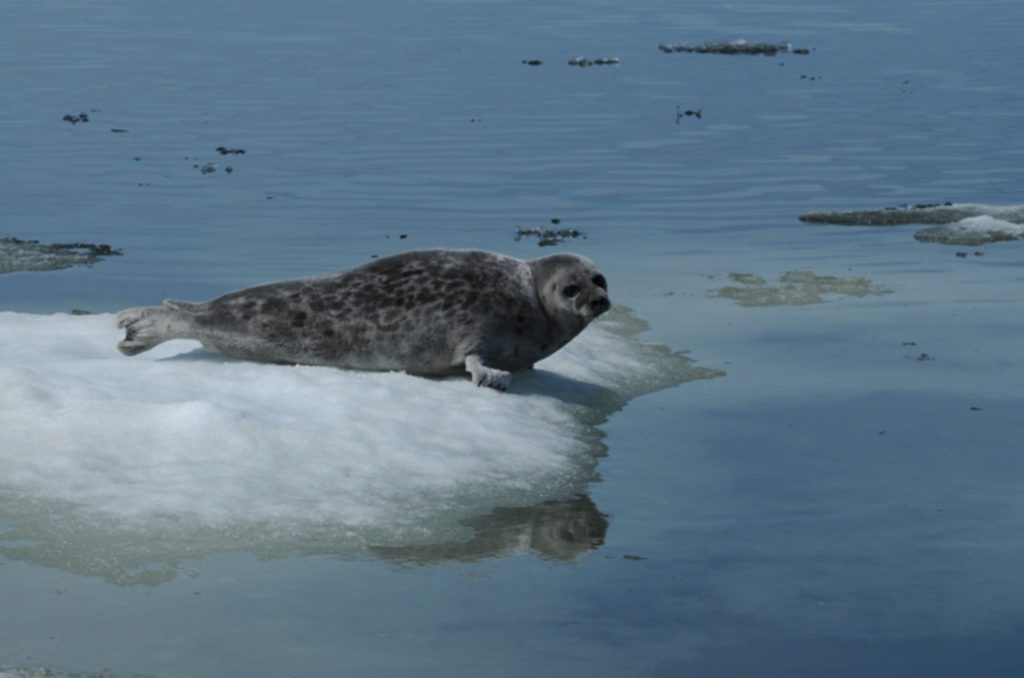
The State of Alaska filed a complaint Wednesday against the National Marine Fisheries Service, asking a U.S. District Court to vacate the critical habitat designations for ringed and bearded seals, some of the most common mammals in Alaska marine environments.
The area designated for the two seal species is much larger than the state of Texas and includes approximately 324,105 square miles of coastal waters along the North Slope and the adjacent Outer Continental Shelf.
Alaska Gov. Mike Dunleavy said that science giving way to politics.
“Washington D.C. continues to see our state as the nation’s sole wildlife preserve, to the detriment of the opportunities we were promised at statehood to be able to build a robust economy,” Dunleavy said. “Nearly the entire Alaska coastline and vast offshore areas are designated as ‘critical’ for one species or another, ranging from whales to sea ducks to seals and sea lions. No other state is burdened by the same level of federal overreach created by unnecessarily large critical habitat designations. If other states had the same level of federal designations, the law would be rewritten.”
Alaska Attorney General Treg Taylor said the designation is not based on reason. “These ice seals are important to the State, and actually are among the most common marine mammals found in the Arctic. However, to designate virtually all of the seals’ range within the U.S. as ‘indispensable’ to the recovery of the species is an abuse of federal power,” said Taylor. “These designations of vast areas, beyond what could ever reasonably be considered ‘critical’ to a species’ recovery, was not intended by the drafters of the Endangered Species Act. Unfortunately, though, designations such as these have all too often been the norm for endangered species in Alaska.”
Under the Endangered Species Act only those specific areas that are “indispensable” to the conservation of the species can be considered “critical habitat.”
There is no accurate population count at this time, according to the National Marine Fisheries Service, but it is estimated that there are probably over 500,000 bearded seals worldwide. The Alaska stock is the only stock of bearded seals in U.S. waters. There are at least 250,000 ringed seals in Alaska waters, and 6-7 million worldwide. They are a prey for polar bears.
Alaska Commissioner of Fish and Game Doug Vincent-Lang refuted the species’ listings. “I struggle to believe that a species with a healthy, robust population of millions can be considered threatened with extinction.” said Vincent-Lang. “The best available scientific information indicates ringed seals are resilient and adjust well to varying conditions across their enormous range and are likely to continue. ESA listings should be reserved for imperiled species.”
The complaint lays out how:
- NMFS failed to articulate how these geographic areas meet the definition of critical habitat.
- NMFS contradicts the very purpose of designating critical habitat; its final rule asserts that no project changes or other critical habitat protections will result from the designation of critical habitat.
- NMFS’ designation shows that the critical habitat designations were not necessary for the animals’ recovery and that the designations are not essential to their conservation.
Read the complaint Alaska vs. National Marine Fisheries Service here.


