
With Memorial Day as the demarkation between a “stay home” order and a more “open Alaska” condition, Alaska is experiencing a spike in COVID-19 cases that should concern health care professionals, even though they predicted it would happen. What they didn’t predict were mass gatherings.
On May 24, there were just 46 active cases of the virus in the state; by June 7 that had spiked to 169.
But the real spike could come this week, after numerous marches and protests took place around the state, exposing people to the contagion, even though many protesters wore cloth masks to protect themselves.
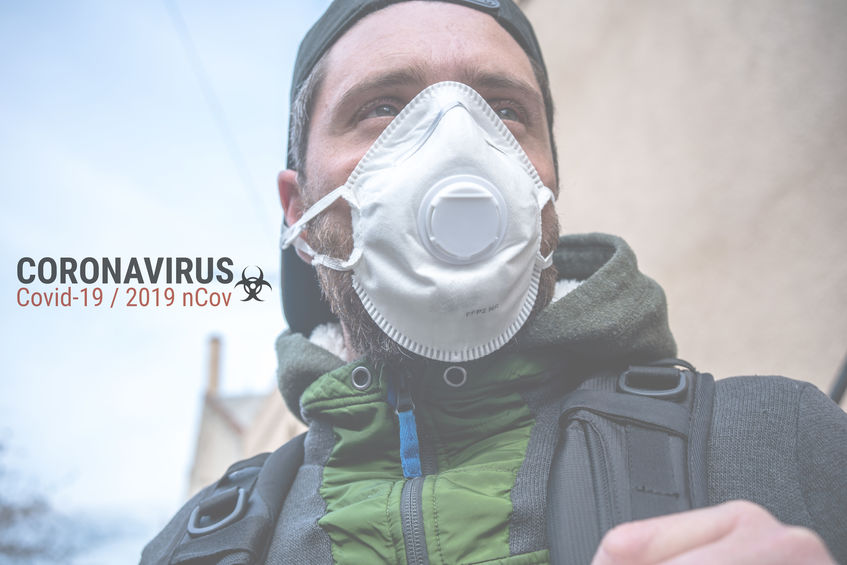
Chanting crowds, with most not observing the 6-foot rule, gathered in Anchorage, Palmer, Fairbanks, Juneau, Ketchikan, and a few other locations in Alaska to protest police brutality. Most wore face coverings, but few had N-95 masks on, which are more protection than the cotton ones that were common. And, as with many civilians, quite a few didn’t seem to know how to delicately handle a mask to avoid contamination on hands and clothing.
Today, June 8, 2020 there are just 7 people hospitalized with COVID-19 in the state, and none of them are on ventilators. Hospitals have plenty of room to admit the possible surge that could happen in the next few days.
And Alaska is in a good place still, in spite of the spike: The death rate for COVID-19 has been holding at 10, which is under 2 percent of all who have been know to become infected with the virus in the state, and lower than the national death rate from the virus, which is closer to 3 percent. That may be in large part because the virus has not found many victims in nursing homes in Alaska, a condition that changed last week when an Anchorage care facility reported over a dozen cases between work staff and patients.
In the latest state report, there were 19 new cases of COVID, no additional hospitalizations, and 320 ventilators available in the state for the surge that may lie ahead.


