
Alaska’s Department of Transportation and Public Facilities calls for extending the road along Northern Lynn Canal from its current dead end at Echo Cove to Katzehin River, where a new ferry terminal would be built.

From there, smaller ferries that are under construction in Ketchikan would take vehicles and passengers to Haines and Skagway on short routes with up to eight trips a day. Ferries used in Northern Lynn Canal could be deployed to other communities, such as Sitka, Hoonah, and Petersburg.
Proponents of the road project believe that it is key to saving the ferry system. Right now, ferries are so old and they are missing more and more sailings due to repairs.
STRANDED TRAVELERS ACROSS SOUTHEAST
Earlier this month, six basketball teams were stranded in Sitka when one of the ferries suffered a breakdown, something that is now a common occurrence.
The M/V LeConte needed parts that needed to be flown in from Illinois but meanwhile Allen Marine, a private ferry company in Sitka, was able to fill in and get the students back to their home communities of Angoon, Kake, and Hoonah.
In April, some 400 students and parents from around Southeast were not going to be able to attend the regional music festival in Juneau in April because of ferry system breakdown, but the Alaska Marine Highway System has adjusted its schedule to ensure the students and chaperones can attend. But that means other communities will sacrifice their expected runs.
Proponents of the Juneau Access Project argue that by funding and building the road, the aging ferry system can be more efficiently used for other island communities that will never have road access.
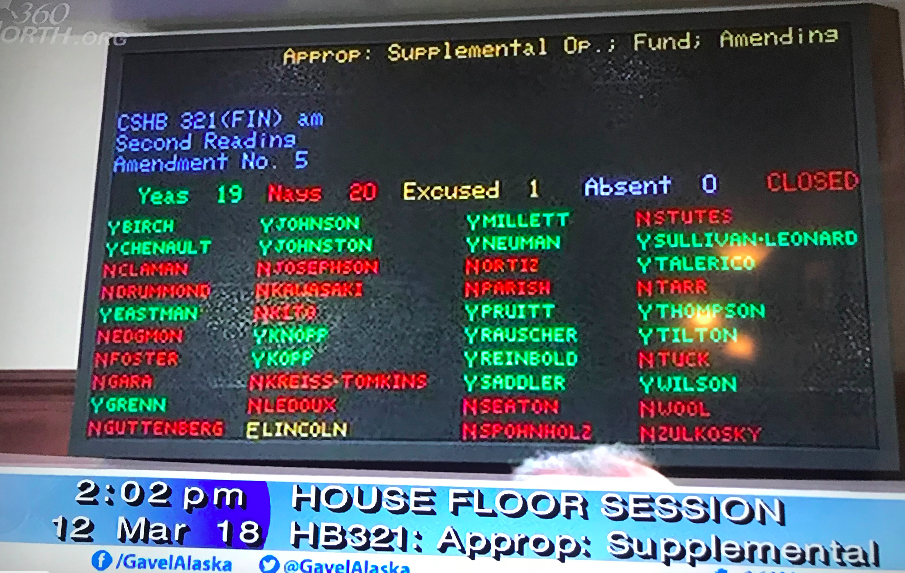
Republican lawmakers in the House voted for greater access to Juneau, while all Democrats and Indie-Dem Daniel Ortiz of Ketchikan voting against it.
Monday’s floor vote was one of the clearest demonstrations yet of the divide between those who want to grow good-paying jobs and access to the Capital City, versus those who want Juneau to remain “just as it is.”
Or as the old joke goes, “a quaint little drinking town with a government problem.”

