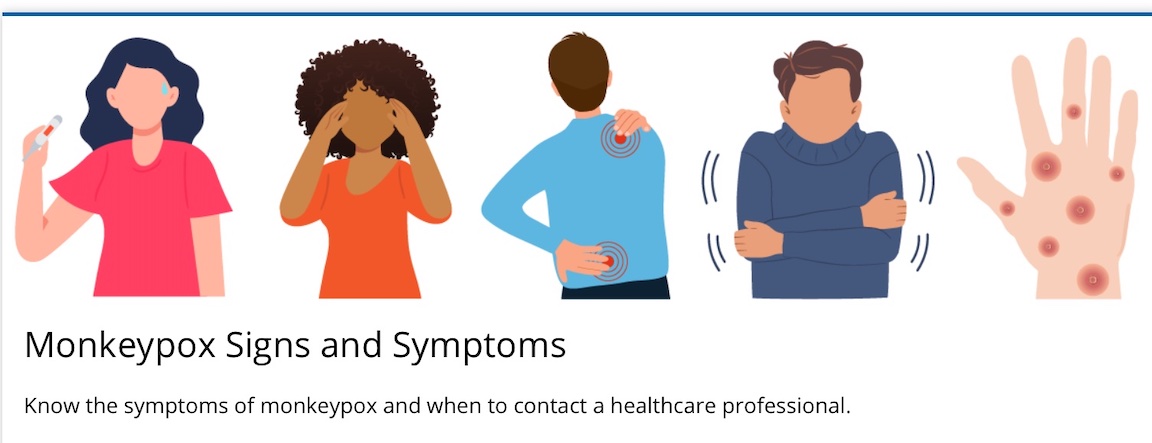
The World Health Organization will begin using “mpox” as a synonym for monkeypox because scientists say that the word monkeypox is “racist and stigmatizing language online, in other settings and in some communities.”
In several meetings, public and private, a number of individuals and countries raised concerns and asked WHO to propose a way forward to change the name, the organization said. Both names will be used simultaneously for one year while “monkeypox” is phased out.
WHO recommended:
- Adoption of the new synonym mpox in English for the disease.
- Mpox will become a preferred term, replacing monkeypox, after a transition period of one year. This serves to mitigate the concerns raised by experts about confusion caused by a name change in the midst of a global outbreak. It also gives time to complete the ICD update process and to update WHO publications.
- The synonym mpox will be included in the International Classification of Diseases (ICD) online in the coming days. It will be a part of the official 2023 release of ICD-11, which is the current global standard for health data, clinical documentation and statistical aggregation.
- The term “monkeypox” will remain a searchable term in ICD, to match historic information.
Considerations for the recommendations included rationale, scientific appropriateness, extent of current usage, pronounceability, usability in different languages, absence of geographical or zoological references, and the ease of retrieval of historical scientific information, WHO said.
Usually, the ICD updating process can take up to several years. In this case, the process was accelerated, WHO said.
Alaska has seen only five diagnosed cases of monkeypox since the outbreak came to America earlier this year.
Monkeypox does not spread easily between people. Transmission is possible either through skin-to- skin contact with body fluids or monkeypox sores, through direct contact with contaminated items such as bedding or clothing, and through exposure to respiratory droplets during prolonged face-to- face contact. While anyone can get or spread monkeypox, in the current outbreak in the United States, most cases have occurred among gay, bisexual, and other men who have sex with men.