And so it came to pass that one of the most compelling reasons that rural Alaska communities in Southeast need ferries is because their septic tanks are full, and they need them to be pumped.
And the truck that pumps them needs to get on a ferry and take that sludge to Juneau, where it can be pumped into the waste treatment plant.
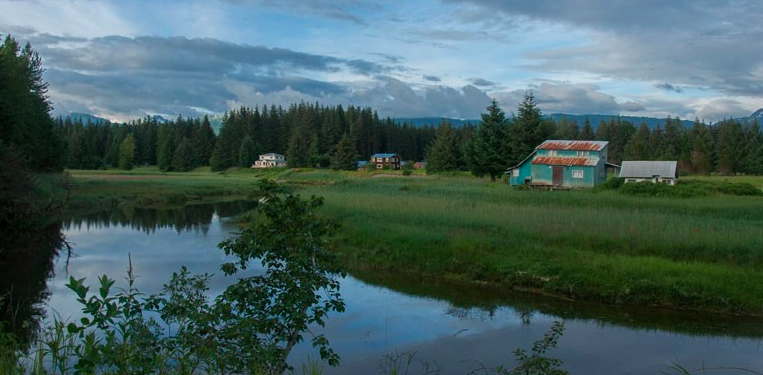
Such was the explanation on public media, which described the plight of people living in the homesteading community of Gustavus, where the septic tanks have filled up, as they do. And for all the wealth of Gustavus (median household income is $61,000), they’ve never figured out what to do with that stuff.
[Read: With no ferries to haul waste, things could get messy]
Gustavus is one of those white rural communities, settled 1914 by hopeful farmers who came to grow strawberries on the outwash left by glacial retreat. The strawberry farmers supplied the Treadwell Mine with strawberries from the area known as, appropriately, Strawberry Point.
Then along came President Calvin Coolidge, and in 1925, he signed into law Glacier Bay National Monument, and that included the homestead settlement of Gustavus. Appeal after appeal went on for 30 years, and finally the homesteaders were allowed to keep their land; Gustavus was excluded from being part of the national monument.
The community is now at about 440 people, not all of whom live there year round. Pelican, which is nearby, is home to about 85 people, and it, too ships its sludge to Juneau, all with the help of the State-subsidized ferry system. The fare for the pump truck on the state-subsidized ferry is $800, while a landing craft would go for much more.