
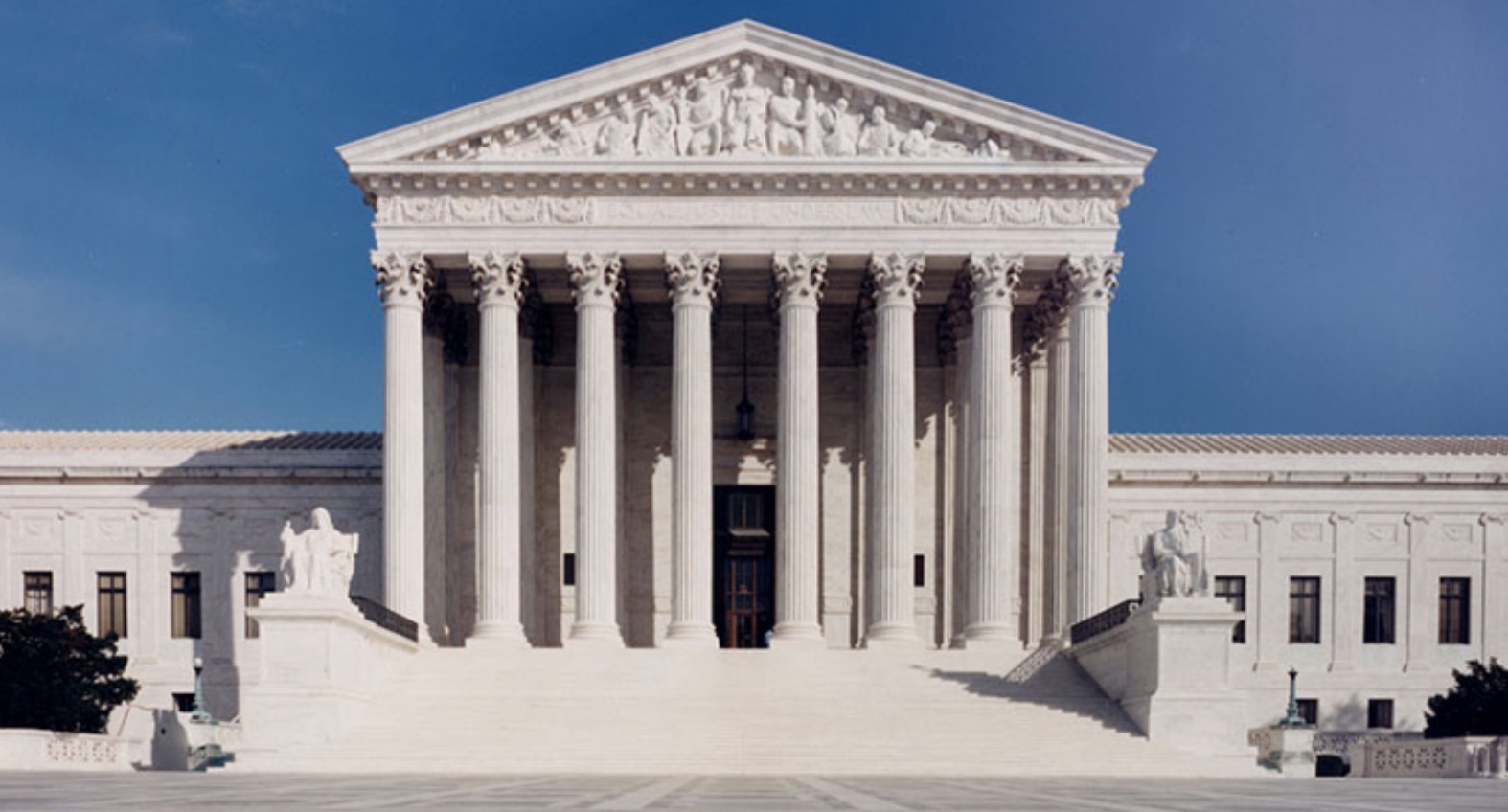
In a 7-2 decision, the U.S. Supreme Court has affirmed the authority of Congress to establish guidelines for Native American adoptions that give preferences to placing Native children with Native American families.
The ruling dismissed arguments claiming that such preferences for Native American families violated the constitutional principle of equal protection regardless of race or color. Instead, the justices agreed with the argument that tribes are political entities, and their children are their greatest resource for continued existence as a political entity.
Justices Clarence Thomas and Samuel Alito dissented from the majority opinion.
The case centered around the Indian Child Welfare Act (ICWA), signed by President Jimmy Carter in 1978. ICWA requires family courts, when making decisions about adoption, to score the child’s tribe or other Native American tribes higher than non-tribal Americans who wish to adopt a child.
The case out of a custody battle between a white foster couple from Texas and five tribes that were backed by the Interior Department, over the adoption of a Native American child.

The Texas couple, Jennifer and Chad Brackeen, fostered a boy who was born to a Navajo mother and a Cherokee father, neither of whom wanted the child. All tribal placements had fallen through when the boy came into the Brackeen home in 2016.
The boy’s mother then had another child, who entered foster care as well. The Brackeens filed for custody, so the children could live together, and the court gave them partial custody, and awarded partial custody with the child’s great aunt, who lives on a reservation, where the child would spend the summers, as dictated by the court.
The Brackeens argued that ICWA established racial discrimination against Native children and the non-Native families who offered to adopt them, and that adoption based on race is unconstitutional.
The tribes argued that the tribes are political entities rather than racial groups.
Thus, the high court’s decision has established adoption preferences based on political groups or affiliation, a decision surely to be contested in the future in other contexts.
Justice Barrett acknowledged the complexity of the issues raised by ICWA.
“The issues are complicated, but the bottom line is that we reject all of petitioners’ challenges to the statute, some on the merits and others for lack of standing,” she wrote.


