
It’s the 18th victory at the Supreme Court for the Pacific Legal Foundation. A decision announced Friday was also a victory for property owners.
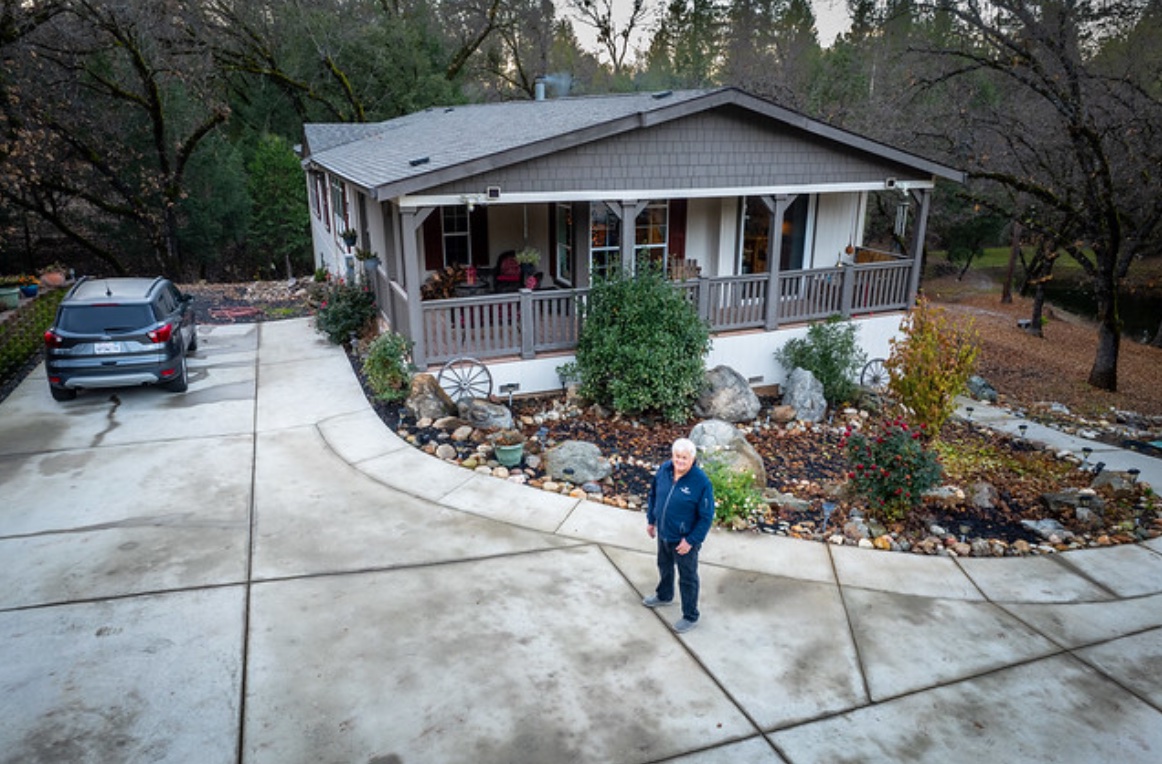
The case involved a California man who wanted to put a small manufactured house on a rural vacant lot, where he and his wife could raise their grandson. He was slapped with a $23,000 traffic mitigation fee by the local El Dorado County in 2016.
George Sheetz challenged the fee and said it was unconstitutional.
The justices were unanimous in their decision in Sheetz v. El Dorado County, saying that government fees must have a “roughly proportional” to the impact that the proposed action is likely to have.
The Court held that fees also known as “legislative exactions” must satisfy the doctrine of unconstitutional conditions — meaning they must be closely related and proportional to any adverse public impacts caused by development and no more, Pacific Legal Foundation explained.
The county’s argument was that Sheetz was required to pay the fee to address existing and future road deficiencies.
“Holding building permits hostage in exchange for excessive development fees is obviously extortion,” said Paul Beard, partner at Pierson Ferdinand and co-counsel in the case. “We are thrilled that the Court agreed and put a stop to a blatant attempt to skirt the Fifth Amendment’s prohibition against taking private property without just compensation.”
“Thus, the County imposed the fee without any evidence tying George’s new home to any specific public costs or impacts,” the nonprofit legal group said.
The Court returned the case to the Ninth Circuit to determine if $23,000 is “an exaction subject to the unconstitutional conditions doctrine. If so, the lower court must determine whether the fee was disproportionate to the traffic impact caused by a modest manufactured home in a rural area, and thus, unconstitutional,” Pacific Legal Foundation explained.
Justice Amy Coney Barrett wrote in the opinion: “In sum, there is no basis for affording property rights less protection in the hands of legislators than administrators. The Takings Clause applies equally to both—which means that it prohibits legislatures and agencies alike from imposing unconstitutional conditions on land-use permits.”


