
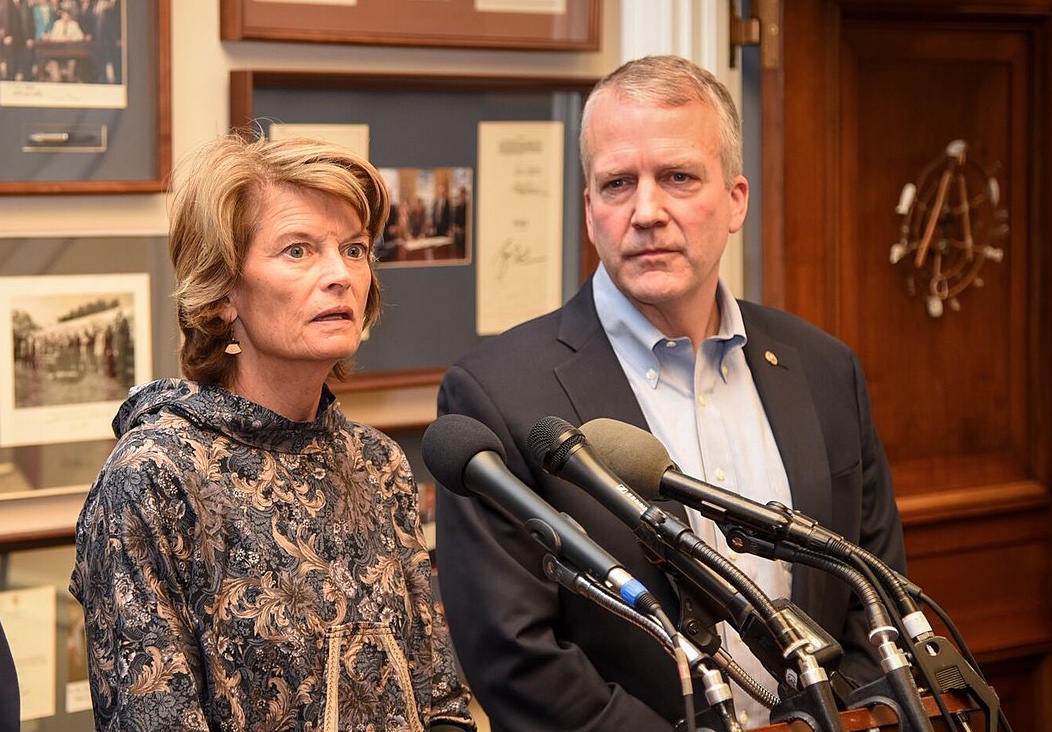
U.S. Sen. Lisa Murkowski today voted in favor of H.J. Res.100, to codify the tentative agreement brokered by the Biden administration between railroad carriers, union representatives, and officials in the Biden administration.
Its imposition will prevent a railway strike that would have cost the U.S. economy an estimated $2 billion per day, disrupted supply chains, harmed public health, and negatively impacted consumers and businesses—including in Alaska. H.J. Res.100 passed by a vote of 80-15-1.
Sen. Dan Sullivan and several other conservative senators, such as Sen. Mike Lee of Utah and Sen. James Lankford of Oklahoma, voted no. Sen. Rand Paul voted present.
The agreement provides for a range of new benefits, agreement provides for a 24 percent wage increase by 2024 with a 14.1 percent increase effective immediately and five $1,000 annual lump sum payments, resulting in $11,000 in immediate payments to employees; a 15 percent cap on health insurance premiums; an additional day of paid personal leave; three days of scheduled leave for medical exams and procedures; up to five weeks of paid vacation each year; and 14 paid holidays.
Provisions that are currently in effect and which will remain in place under the new contract, include providing either 26 weeks of paid sick leave at 60 percent wage replacement or 52 weeks of paid sick leave at 70 percent wage replacement, depending on the union, after four days of unpaid sick leave. The Agreement was ratified by eight of the 12 railway unions, while four unions voted no in an effort to include additional paid sick days in a final agreement.
“While it is unfortunate that Congress had to intervene in this matter, a rail strike would have had severe economic and public health consequences that could have harmed families and businesses just as we move into the holiday season,” Murkowski said. “Those consequences would have been felt in Alaska, as goods that are moved across the country by rail and then shipped to our state would have been stranded along the way. While the Tentative Agreement provides important benefits, including better wages, lower health care costs and more days off, I have great empathy for the rail workers and their efforts to negotiate paid sick leave. Ultimately, however, I recognize it is not Congress’ role to intervene in the details of labor negotiations. Doing so would set a bad precedent for other industries who are also negotiating contracts.”
In the House, Congresswoman Mary Peltola voted against the bill earlier this week because it did not give the unions enough. However, the resolution passed with an overwhelming majority.
On average, according to National Railway Labor Conference, a Class I rail employee covered in the current bargaining round makes about $130,000 in total annual compensation, and got 38% in raises between 2009 and 2019.


