
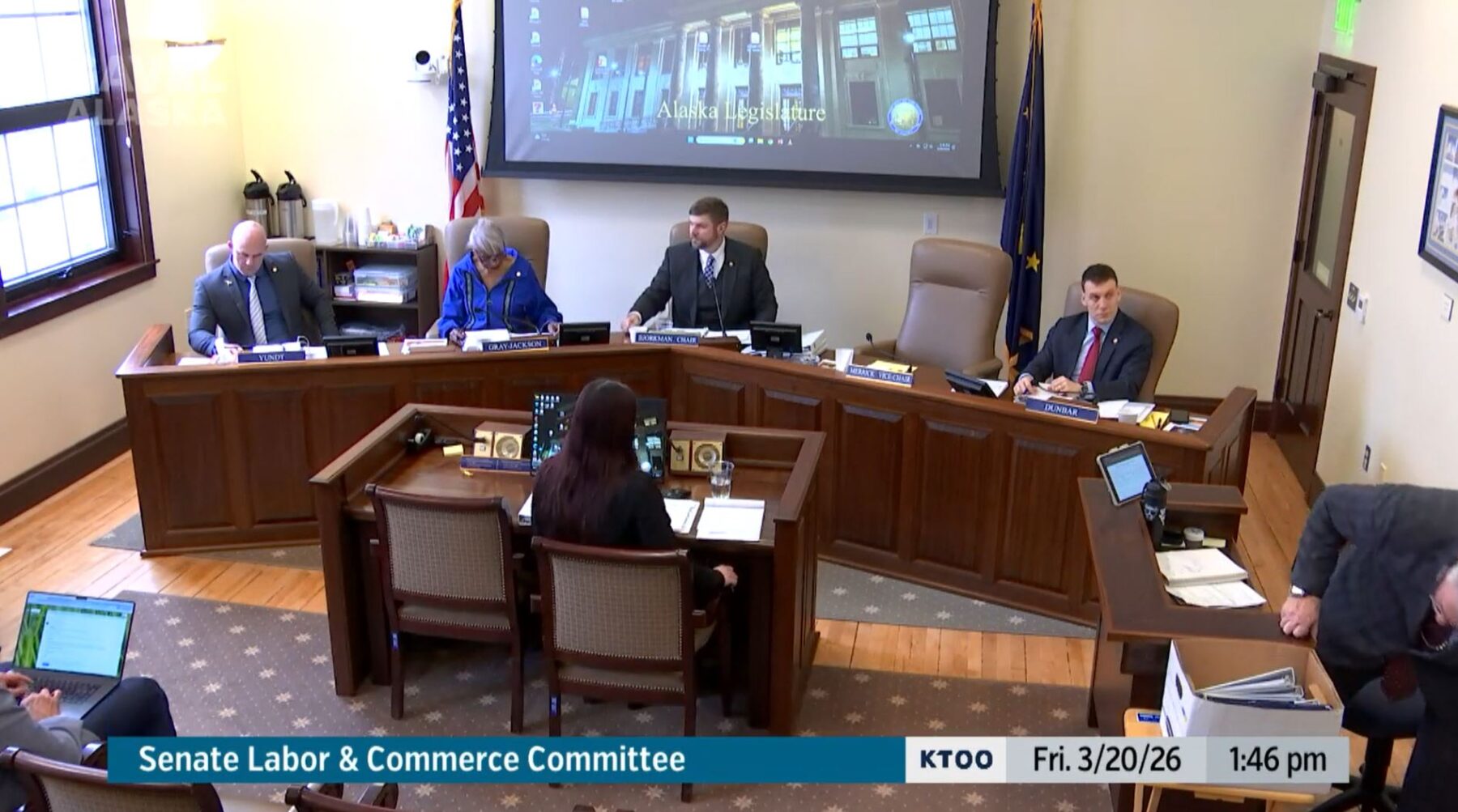
The Senate Labor and Commerce Committee advanced three measures on March 20 while holding another for further scrutiny in Alaska’s evolving energy and public health landscape. With an on avoiding undue burdens on ratepayers and taxpayers, the panel reported SB 180 and SB 196 from committee while setting aside SB 150 for additional work on net metering cost shifts.
SB 150: Net Metering Sparks Debate Over Fair Rates and Cross-Subsidies
SB 150, which would shift residential solar customers to annual net metering and create a state reimbursement fund to offset utility losses, emerged as the most contentious item. Chair Sen. Jesse Bjorkman (R-Nikiski) framed the core issue clearly: whether solar generators should receive full retail rates for excess power or a lower “avoided cost” rate to prevent cost-shifting to non-solar ratepayers. The bill aims to boost private investment in renewables but raised immediate concerns about fairness in Alaska’s high-cost grid environment.
Invited testifier Ben May of Alaska Solar argued that annual net metering is essential for financial viability. He noted solar’s levelized cost at roughly 15 cents per kilowatt-hour over 25 years versus Railbelt utility rates of 22 to 30 cents, calling it an “inflation-proofing” tool for modest-income families. May acknowledged the cross-subsidy debate but downplayed its current scale, stating solar represents only 0.33 percent of Alaska’s electricity generation. “We really need those numbers, and we need to have a mechanism of creating that,” he urged, proposing a 2 percent cost-increase threshold that would trigger Regulatory Commission of Alaska review.
Utility representatives pushed back with practical data. Rob Montgomery, Chief Operating Officer of Homer Electric Association, expressed support for net metering in principle but highlighted administrative costs and potential shifts to non-participants. Julie Estey of Matanuska Electric Association was more direct, disclosing that her own solar system creates an approximate $50 monthly subsidy absorbed by neighbors. “When a co-op reduces bills for one group of members, the costs of delivering power to the other members don’t change,” she testified, recommending mandatory “alternative rate structures” to eliminate subsidies and centralizing reimbursements to reduce utility burdens.
Public testimony from Ben Boettger of Cook Inlet Keeper and Homer resident Paul Seaton defended the bill, challenging subsidy claims and arguing existing grid costs already involve cross-subsidies. RCA Commissioner Steve DeVries and staff Claire Knudsen-Latta outlined how the commission would calculate fair tariffs, drawing on existing small-firm purchase-power methodologies.
After robust discussion, Chair Bjorkman set SB 150 aside for future hearings, allowing time for clarifying amendments on rate structures and subsidy calculations. The pause provides oversight protecting non-solar ratepayers from hidden cost transfers while encouraging genuine private investment without artificial subsidies that distort markets.
SB 180: Clarifying RCA Authority Over LNG Facilities Advances Swiftly
SB 180, sponsored by Sen. Cathy Giessel (R-Anchorage), addressed a narrow but important ambiguity created by language added to HB 50 two years earlier. The bill removes a single sentence that had been misinterpreted to strip the Regulatory Commission of Alaska of rate authority over gas sold from liquefied natural gas import facilities.
Sen. Giessel emphasized the measure restores clarity without altering existing jurisdiction. RCA Commissioner Steve DeVries confirmed the practical effect: “To answer your question, succinctly, things don’t change at all.” The committee adopted a committee substitute adding an immediate effective date and reported the bill unanimously with individual recommendations and attached fiscal note.
SB 196: Behavioral Health Funding via Phone Surcharge Moves
SB 196, sponsored by Sen. Scott Kawasaki (D-Fairbanks), seeks to create a stable state fund for the 988 suicide and crisis lifeline as federal grants lapse. The proposal adds a 98-cent monthly surcharge on telephone lines—modeled on the existing E-911 fee—to generate roughly $6 to $8 million annually.
Kawasaki highlighted growing call volumes exceeding 100 percent and the need for reliable local funding. A public testifier from Juneau offered strong personal support, sharing family experiences with suicide and praising the simplicity of a dedicated line.
Sen. Rob Yundt (R-Wasilla) inquired about expanding fund uses to preventive youth programs; Kawasaki noted flexibility was possible. Chair Bjorkman acknowledged considering an alternative committee substitute taxing social media advertising revenue as a “cost causer pays” approach but declined to offer it for expediency. Sen. Elvi Gray-Jackson (D-Anchorage) voiced full support: “I support it 100%.”
The committee reported the bill with individual recommendations and fiscal note after minimal debate. While the surcharge provides dedicated funding, caution emerged around cumulative fees on already-burdened phone bills and the preference for targeted rather than broad-based levies.
SB 150 remains under review, with expected input from utilities on amendments addressing cross-subsidies and rate structures. Upcoming hearings on March 30 will tackle travel insurance, trustee proceedings, and employer contributions.


