
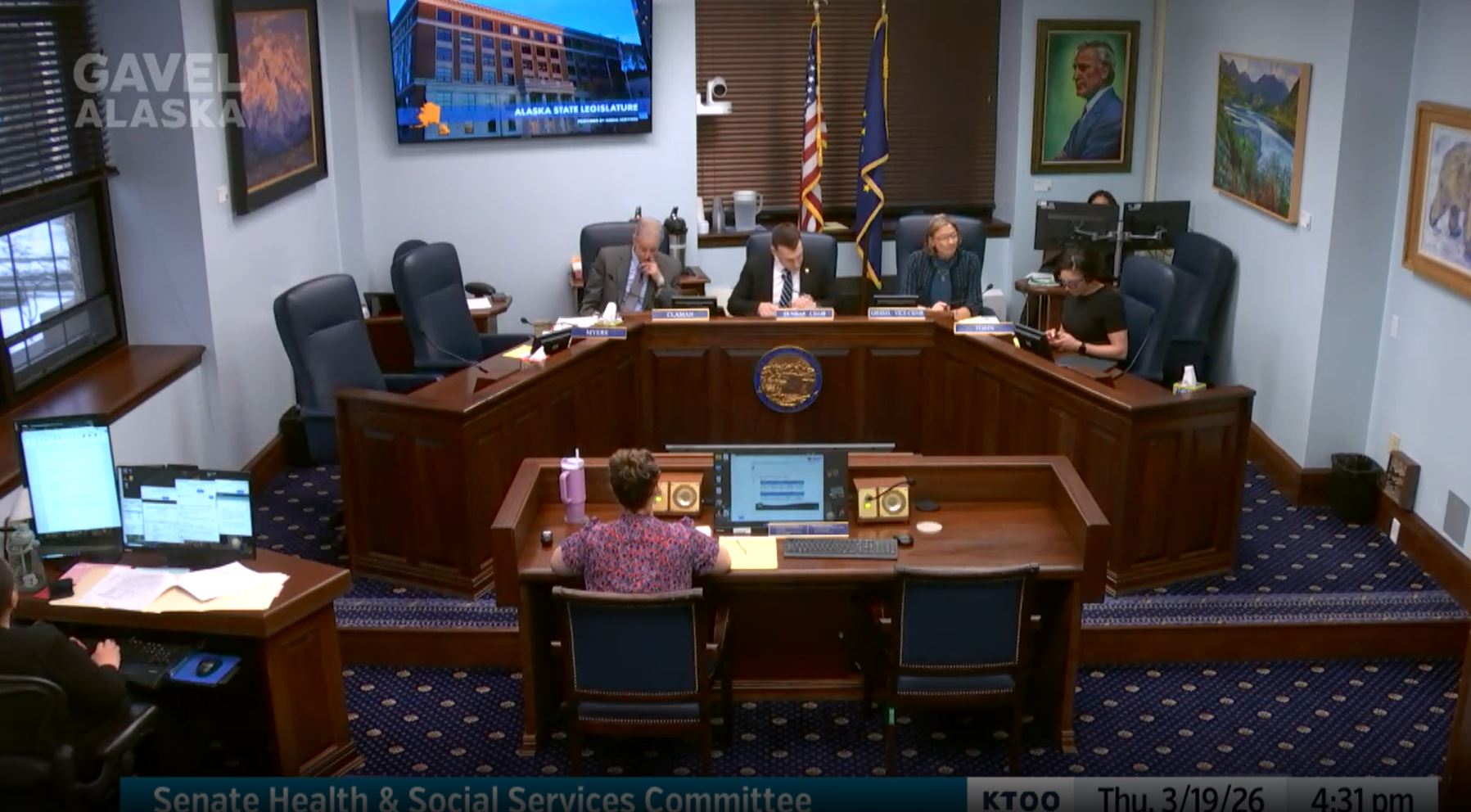
The Alaska Senate Health and Social Services Committee held its first hearing on SB 276, legislation requiring health insurers to cover up to a 12-month supply of prescribed contraceptives at one time. Sponsored by the committee itself, the measure seeks to remove logistical barriers that often disrupt consistent use, particularly in rural communities where pharmacy access, mail delays, and work schedules create real challenges. Proponents argue the change aligns with practical realities in Alaska while preserving patient and provider choice.
Staffer Ariel Harbison outlined the bill’s core provisions during the hearing. Section 1 adds AS 21.42.427, mandating coverage for contraceptive prescriptions and services without cost-sharing when medically necessary. It prohibits insurers from offsetting compliance costs or imposing delays. Sections 2 through 5 apply conforming language to various health plans. Section 6 directs the Department of Health to cover 12 months for eligible Medicaid recipients, with Sections 7–9 requiring a prompt state plan amendment and making effectiveness conditional on federal approval. The bill carries a zero fiscal note and is projected to generate state savings of approximately $1.35 million annually by reducing unplanned pregnancies.
Invited testimony underscored the practical benefits. Dr. Ingrid Johnson, Associate Professor of Justice at the University of Alaska Fairbanks, highlighted safety implications for women facing coercive control. She noted that one in two Alaskan women experience partners who restrict their movements, making monthly or quarterly refills difficult. One in five have faced reproductive control, including pressure to discontinue contraception. Johnson tied this to broader violence statistics: Alaska’s rate of women killed by men is more than twice the national average, and pregnancy increases homicide risk in abusive relationships. “One in six female rape and/or sexual coercion victims get pregnant as a result,” she stated, arguing uninterrupted access protects autonomy and safety.
Claudia Haines, CEO of Kachemak Bay Family Planning Clinic, described frontline barriers. Clients often rotate through remote job sites or rely on unpredictable mail. Medicaid currently limits the NuvaRing to one per month, forcing repeated pharmacy visits. “If clients are late picking up a ring, the gap puts them at much higher risk for unintended pregnancy,” Haynes said. She noted that one in four women nationally miss doses due to access issues. Extending supplies to 12 months would align Alaska with 29 other states and the District of Columbia that already require similar coverage.
Dr. Sarah Truitt, Chair of the Alaska Section of the American College of Obstetricians and Gynecologists, spoke for 140 members statewide. Over half her patients live off the road system. “I’d like to give them a full year supply when I see them in Nome or at the office in Anchorage,” she said. Consistent access prevents gaps that worsen conditions like endometriosis or lead to unintended pregnancies. ACOG Alaska strongly supports the bill as a common-sense improvement without mandating use.
Committee members explored implementation details. Senator Myers asked whether insurers routinely dispense up to 12 months for other daily maintenance medications such as those for diabetes, depression, or migraine prevention. Director Heather Carpenter of the Division of Insurance shared her personal experience of receiving three-month supplies for certain drugs and committed to querying carriers. Chair Sen. Forrest Dunbar (D-Anchorage) set an amendment deadline of Monday, March 23 at 5:00 p.m. and scheduled a follow-up hearing for Tuesday, March 24.


