
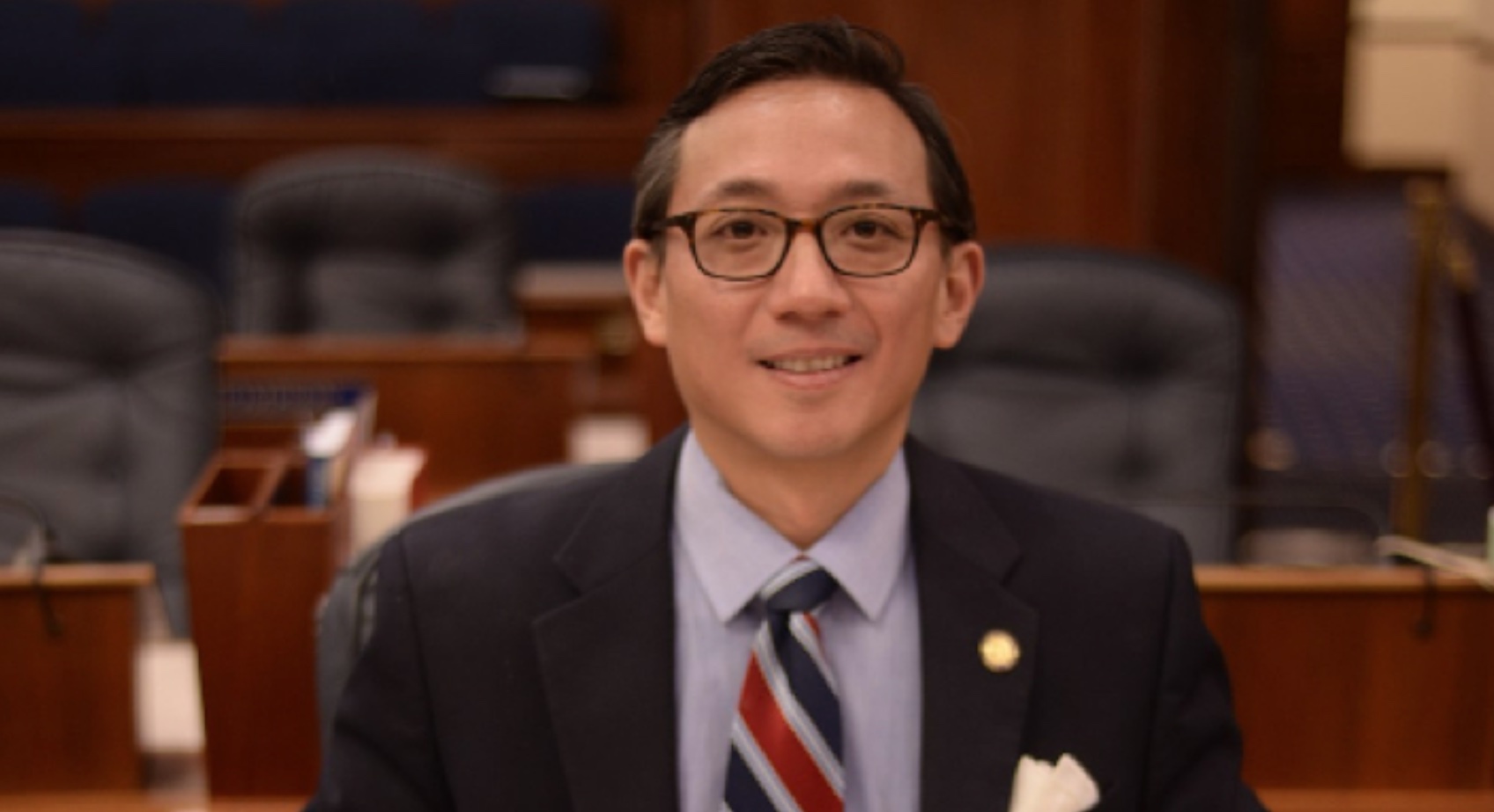
Democrat Sen. Scott Kawasaki’s bill, aimed at changing voting laws in Alaska, stalled on the Senate floor on Monday and was referred back to the Rules Committee. The legislation offered significant alterations to the state’s current electoral process, including a new “ballot curing” requirement and relaxation of signature verification requirements.
The bill, Senate Bill 138, had even more for Alaskans, with extensive language assistance requirements and mandating the Division of Elections implement a ballot tracking system, a feature intended to allow voters to monitor the journey of their ballots post-voting. The bill would also have made it the responsibility of the state to cover postage costs for mailed-in ballots.
The bill has stricter residency requirements, and offers absentee voters the opportunity to correct errors on their ballots. Presently, voters only become aware of errors in their absentee ballots after the election is certified, an issue highlighted in the 2022 special primary election, when an estimated 7,500 ballots were rejected, translating to a rejection rate of 4.55%.
Despite the highest-ever voter turnout in Alaska’s history during the 2020 elections, with over 360,000 Alaskans casting their vote, Kawasaki points out that approximately 173,000 eligible and registered Alaskans did not participate.
The bill requires the Division of Elections to start counting absentee ballots at least seven days before the election day, and begin releasing vote tallies at 8 pm on election day.
It also sought to replace the witness signature requirement with a signature verification system and required the Division of Elections to cure signature discrepancies, similar to how Anchorage does its verification system.
Even if it were to pass both houses and receive the governor’s approval next year, the changes are unlikely to be implemented before the 2024 election.
Similar legislation in the House, sponsored by Democrat majority leader Cal Schrage, also appears to be faltering in committee.


