
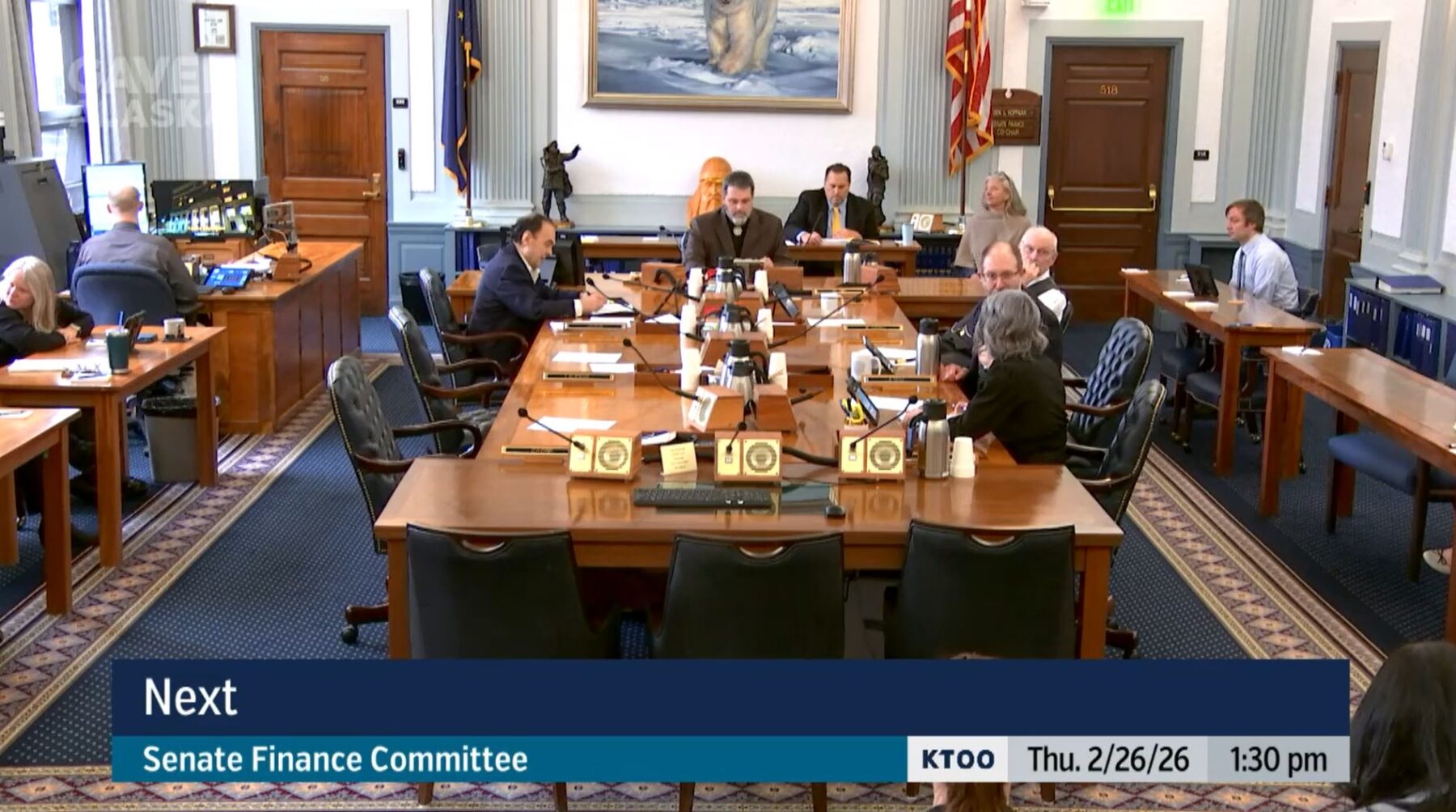
Residents from across Alaska’s remote regions delivered a unified message during Thursday’s Senate Finance Committee public testimony: increase funding for survivor services, education infrastructure, public safety, and tourism marketing to address inflation, workforce shortages, and long-term community needs. The session focused on the FY27 operating, capital, and mental health budgets alongside adjustments in House Bill 289, the current-year supplemental.
A resident from Bethel, speaking as executive director of a regional victim services organization, stressed the erosion of purchasing power since flat funding began in 2017. She highlighted a 200 percent rise in transitional housing demand and urged a $2 million boost to CDVSA victim services grants plus $500,000 for legal aid. “When a person experiences violence and comes to shelter, they’re starting their life over again,” she said, noting elders and families now require extensive navigation support.
Similar appeals came from a resident from Hooper Bay, who described her shelter as the only 24/7 resource for three villages, and a resident from Utqiagvik, emphasizing the North Slope’s sole shelter serving eight communities. A resident from Nome, identifying as a survivor, called for stable staffing to handle generational trauma: “We continue to take the generations to come, their voices away because we do not provide the services that they really need.”
Public safety resonated strongly. A resident from Nome advocated preserving proposed VPSO increments while warning that positions alone fail without full operational support—housing, equipment, training, and partnerships. “A VPSO without program support is an officer without backup,” she stated. Residents from Kotzebue reinforced this, urging full funding for behavioral health grants decoupled from volatile tax revenues such as alcohol, tobacco, and marijuana.
Residents from the Bristol Bay region praised the BBRCTE vocational program, noting it enables pilots, healthcare pathways, and confidence for rural students. They urged retaining proposed residential school funding.
A resident from Fairbanks requested $10 million for statewide tourism marketing, citing 5.6 billion dollars in economic impact and 48,000 jobs. “When the state invests in marketing, it’s not a subsidy; it’s an investment that generates new economic activity,” he said. Infrastructure needs surfaced from a resident from Cordova, who warned of budget gaps affecting local match for transportation projects.
General feedback on HB 289—the $467.7 million supplemental scrutinized the previous day—aligned closely with public priorities
This testimony mirrors the committee’s February 25 focus on revenue shortfalls, disaster needs, and operational urgencies, as detailed in coverage from Must Read Alaska.


