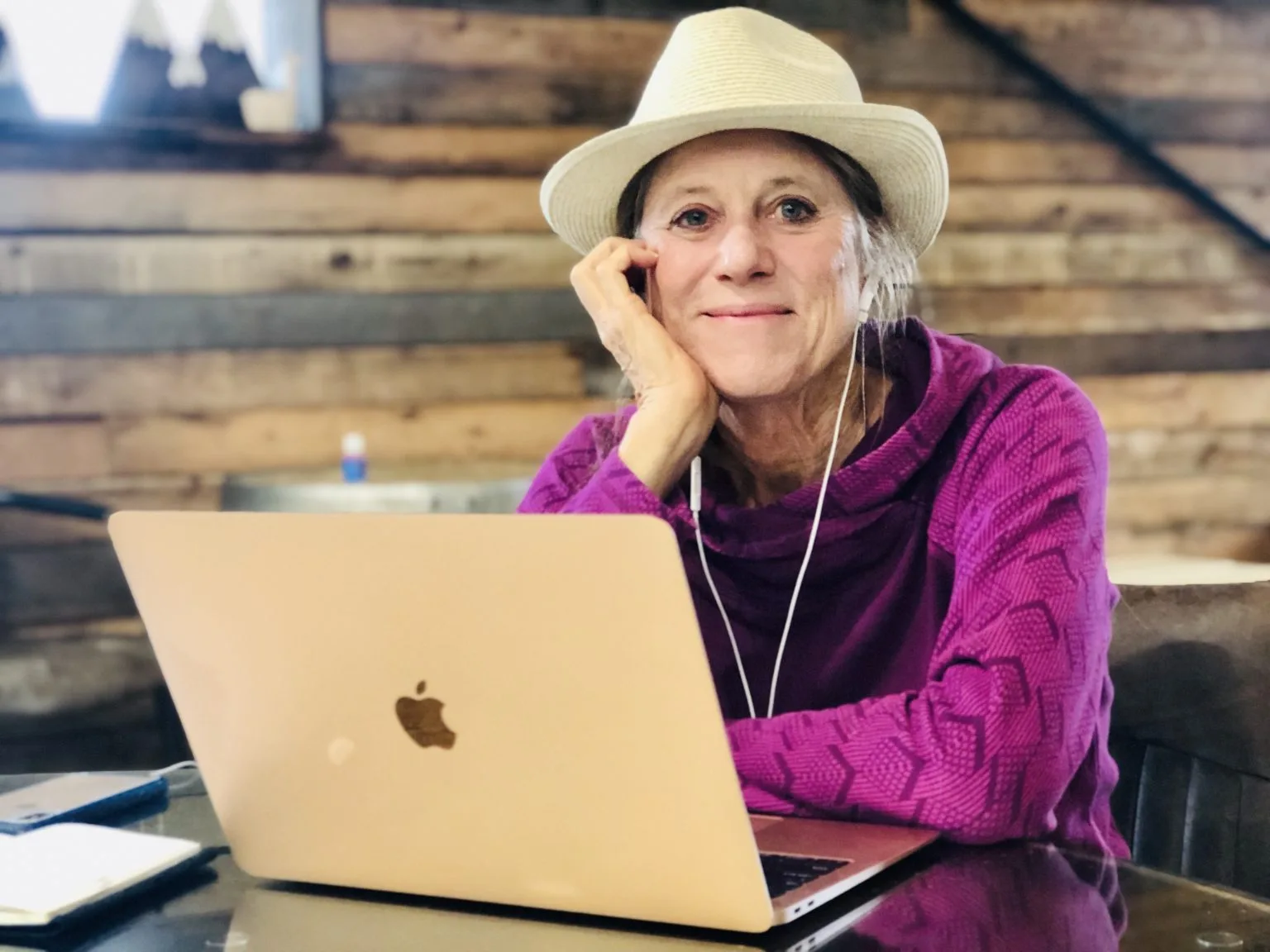
The U.S. Supreme Court will on Monday hear a free speech case from Colorado testing the question of whether the government can force someone to affirm same-sex marriage as they go about their daily vocation.
Colorado graphic artist and web designer Lorie Smith challenged Colorado’s anti-discrimination law, which the state uses to force businesses to affirm same-sex marriage.
The law has already been used to attack wedding cake baker Jack Phillips, who refuses to bake wedding cakes for same-sex couples or to celebrate “transitioning” of transgenders with special cakes.
Smith says that she is also finding her free-speech curtailed because she wants to start designing wedding websites, but fears the government will force her to create them for same-sex couples, which is not consistent with her faith.

The Supreme Court already ruled once in the case of Phillips, but it was a narrow ruling, leaving Phillips the subject of additional attacks from LGBTQ activists.
Smith and Phillips both are arguing that they are using their creative talents to express their Christian beliefs and they should not be forced to work on projects that violate those beliefs.
“Jack [Phillips] was targeted by the law for declining to create a custom cake celebrating an event that went against his religious convictions. The Colorado Civil Rights Commission tried to punish Jack because of his Christian faith. While the commissioners allowed three other cake artists to decline cakes expressing messages that offended their secular beliefs, they denied this same freedom to Jack. Some members of the commission even made hostile statements against Jack, calling his religious-liberty defense “a despicable piece of rhetoric” and compared that defense to ones used to justify the Holocaust and American slavery,” Alliance Defending Freedom wrote. ADL has defended Phillips all the way to the Supreme Court.
The Supreme Court, in its ruling in favor of Phillips, condemned Colorado’s “clear and impermissible hostility toward [Phillips’] sincere religious beliefs” in a 7-2 decision in 2018.
But because the free-exercise-of-religion violation was clear, the court didn’t address whether Phillips’ free speech rights were violated. That left Phillips subject to harassing legal attacks, and he is now facing a new, nuanced legal battle.
It is the same law that threatens Smith: “The State reads its law as even banning Lorie from explaining on her business’s own website what designs she can create consistent with her religious beliefs. But she should be free and empowered to live out her calling. If we want entrepreneurs like Lorie to pursue their dreams, the government must respect their freedom,” ADL writes.
The U.S. Court of Appeals for the 10th Circuit issued a ruling that says the state can indeed compel Lorie to express messages that contradict her religious beliefs. The U.S. Supreme Court agreed earlier this year to hear her appeal. The case is 303 Creative v. Elenis, and it is set to be heard by the Supreme Court on Monday, Dec. 5.
In June, numerous groups representing artists, publishers, broadcasters, scholars, and 20 states submitted friend-of-the-court briefs to the Supreme Court asking it to rule in Smith’s favor. Read the Americans for Prosperity Foundation’s brief at this link.
Learn more about the case at Alliance Defending Freedom.
It’s unclear what the recent congressional passage of the Respect for Marriage Act means for people like Jack Phillips and Lorie Smith. They are both fighting Colorado laws that curtail their free speech, but even if they win they might find themselves subjected to federal lawsuits as a result of the new legislation that demands equal treatment for gay marriage.
“Unfortunately, we are aware of case after case where individuals, charities, small businesses, religious schools, and religious institutions are being hauled into courts to defend themselves for living out their faith. These people are not committing hate crimes against their neighbors. No, they’re not abusing peers for their personal choices either. No, they’re being hauled into courts across this country for serving the poor, the needy, and the refugee in compliance with their sincerely-held religious beliefs,” warned Sen. Mike Lee of Utah, who advocated against passage of the Respect for Marriage Act.
Alliance Defending Freedom was the group that defended the Downtown Hope Center in Anchorage, which provides shelter space for women, but turned away a man who was wearing a dress and calling himself a woman. The man and the Anchorage Equal Rights Commission sued the faith-based center for violating the public accommodation ordinance based on alleged gender identity discrimination, but eventually the commission settled with the nonprofit group.
A senior official of the U.S. Justice Department has called Alliance Defending Freedom a hate group.