
By PEDRO GONZALEZ
The Mat-Su Borough School District recently moved to pluck certain books from libraries after parents and community members complained about “LGBTQ themes” and sexually explicit content. After some deliberation, a Library Citizens Advisory Committee then recommended that several titles be permanently removed. That triggered a legal battle that brought the American Civil Liberties Union and Northern Justice Project into the fold, which led to a judge ordering all but seven books back onto the shelves.
For many in Mat-Su, this issue is as much about exercising the muscles of citizen governance as it is about shielding kids from obscene material. Obviously, not everyone agrees. On the northern point of Cook Inlet, Wasilla’s only bookstore held an event for “Banned Books Week” in September, where unallowed volumes were made into inanimate martyrs.
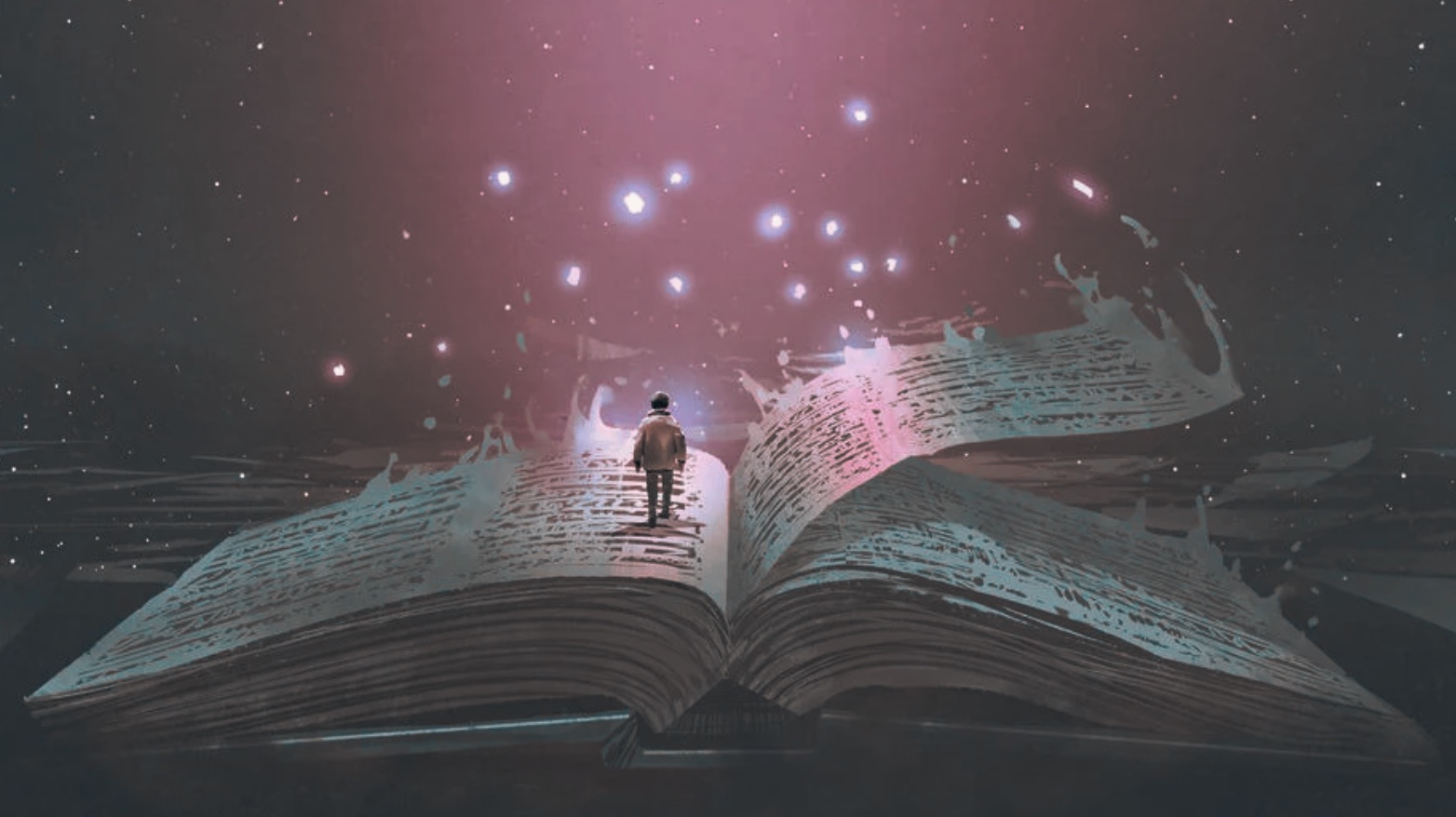
The modern notion of “banned books” has always been very silly. These books are not actually suppressed in any meaningful way. If it’s available at your local bookstore or on Amazon, it’s not banned. But that’s also why removing books from school libraries, while in egregious cases warranted and proper, is a little like plugging your fingers in a cracking dam. I believe that if you really want to inoculate your kids from smut, you must sit down and read the good stuff with them.
What gets lost in debates over what is or is not inappropriate for kids is that often the books in question are simply awful, virtually unreadable shlock. These titles are bad on their literary merits, apart from any offending subject matter. However, that only becomes viscerally clear if you’ve developed a sense of what is worthy. Aesthetic revulsion is a self-defense mechanism, one that you can cultivate in your children by introducing them to gems.
Data from The Kids & Family Reading Report shows that 55 percent of children aged zero to five are read books aloud at least five times a week, with 37 percent of them read to daily. These numbers drop precipitously around the time kids start kindergarten. The reason? Most cite the fact that their boys and girls can read on their own by then. But this is precisely when you should engage with them in books that will spark and fortify their imagination and their sense of what is good, true, and beautiful.
One of my personal favorites is D’Aulaires’ Book of Greek Myths, a beautifully illustrated compendium of Greek myths. Perseus teaches us to be brave and Bellerophon to use our heads in a jam, but also offers a cautionary tale against hubris. An important lesson for little kids with eyes bigger than their cookie jars.
In Winnie-the-Pooh, we find mirthful lessons about friendship, compassion, and how to overcome fear with bravery. The Velveteen Rabbit tells us that hardships are part of life, but suffering, like storms, will pass. What classics you decide to read and discuss with your kids depends on a number of factors.
I personally cannot wait to dig into The Old Man and the Sea with mine, especially my son. It is a masterwork of narration and a beautiful portrait of manhood: strength, courage, perseverance, and reverence for the natural order of things.
The classics are the best but not the only option available. One of my favorite contemporary offerings is The Handsome Little Cygnet, a short, stunningly illustrated and beautifully written book by Matthew Mehan. It tells the tale of a mother and father swan, bonded for life, and their baby, a sweet little cygnet. He is lured away from his family by the colorful and ultimately destructive distractions of society. Cultural vandalism leaves him sullied. Only by reconnecting with his parents—returning to the natural state of things—can he be made clean and whole again.
You can’t protect your kids from the world forever. But I think you can prepare them against it, arm them with an aesthetic and moral compass. Good books are one way to do that.
Pedro Gonzalez has joined the editorial staff of Must Read Alaska. His work has appeared in The New York Post, The Washington Examiner, and elsewhere.



