
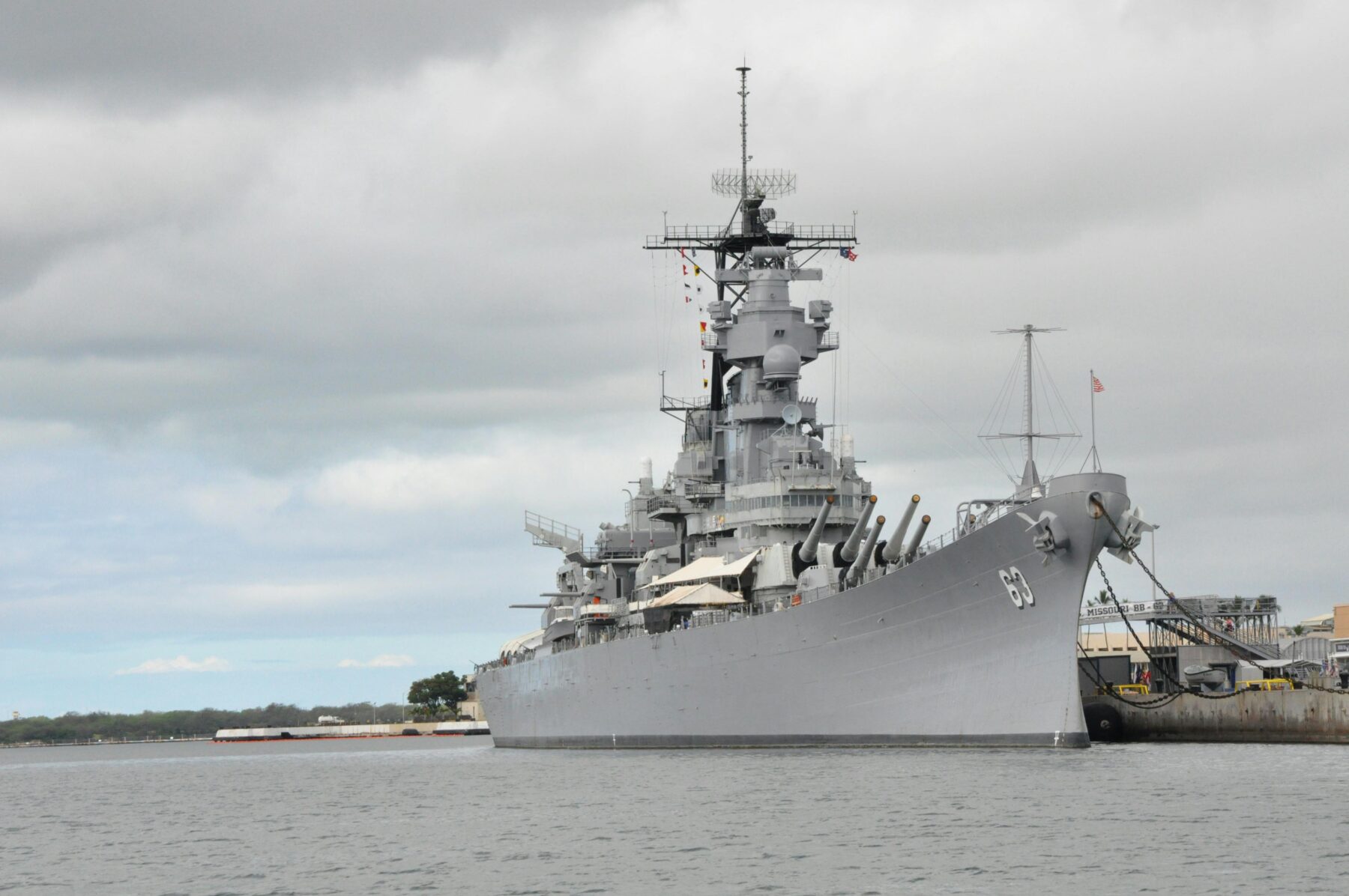
On December 7, 1941, the serene shores of Oahu, Hawaii, erupted into chaos as Japanese forces launched a devastating surprise attack on the U.S. naval base at Pearl Harbor. This assault, meticulously planned amid escalating tensions, stemmed from Japan’s aggressive expansion in Asia, including its 1937 invasion of China, which prompted U.S. economic sanctions and oil embargoes. Negotiations between Tokyo and Washington faltered, leading Japan to strike first to cripple the Pacific Fleet and secure resources for its imperial ambitions.
The raid, executed just before 8 a.m., involved hundreds of Japanese aircraft bombing battleships, airfields, and facilities. In under two hours, the attack claimed 2,403 American lives—sailors, soldiers, and civilians—with 1,178 wounded. Over half the fatalities occurred aboard the USS Arizona, which exploded after a bomb hit its ammunition magazine. The toll on U.S. naval power was immense: eight battleships were damaged or destroyed, including the Arizona and Oklahoma, which capsized. Nearly 20 vessels total and more than 300 aircraft were lost or wrecked, though key aircraft carriers escaped unscathed.
President Franklin D. Roosevelt swiftly addressed Congress on December 8, declaring the attack “a date which will live in infamy” and urging a declaration of war on Japan. Congress approved it almost unanimously (388-1), propelling the U.S. into World War II. Days later, America declared war on Germany and Italy after they allied with Japan, uniting a nation in resolve against tyranny.
Eighty-four years later, on December 7, 2025, President Donald J. Trump issued a proclamation for National Pearl Harbor Remembrance Day, honoring the “Greatest Generation” and their sacrifices. In the memo, Trump reflected on how the attack “rallied our shattered citizenry and fueled our resolve,” emphasizing vigilance against threats to liberty. He called for flags at half-staff and ceremonies to remember the fallen, noting Japan’s transformation from foe to ally. This annual observance, established by Congress, underscores enduring lessons of courage and peace.


