By NIKI TSHIBAKA
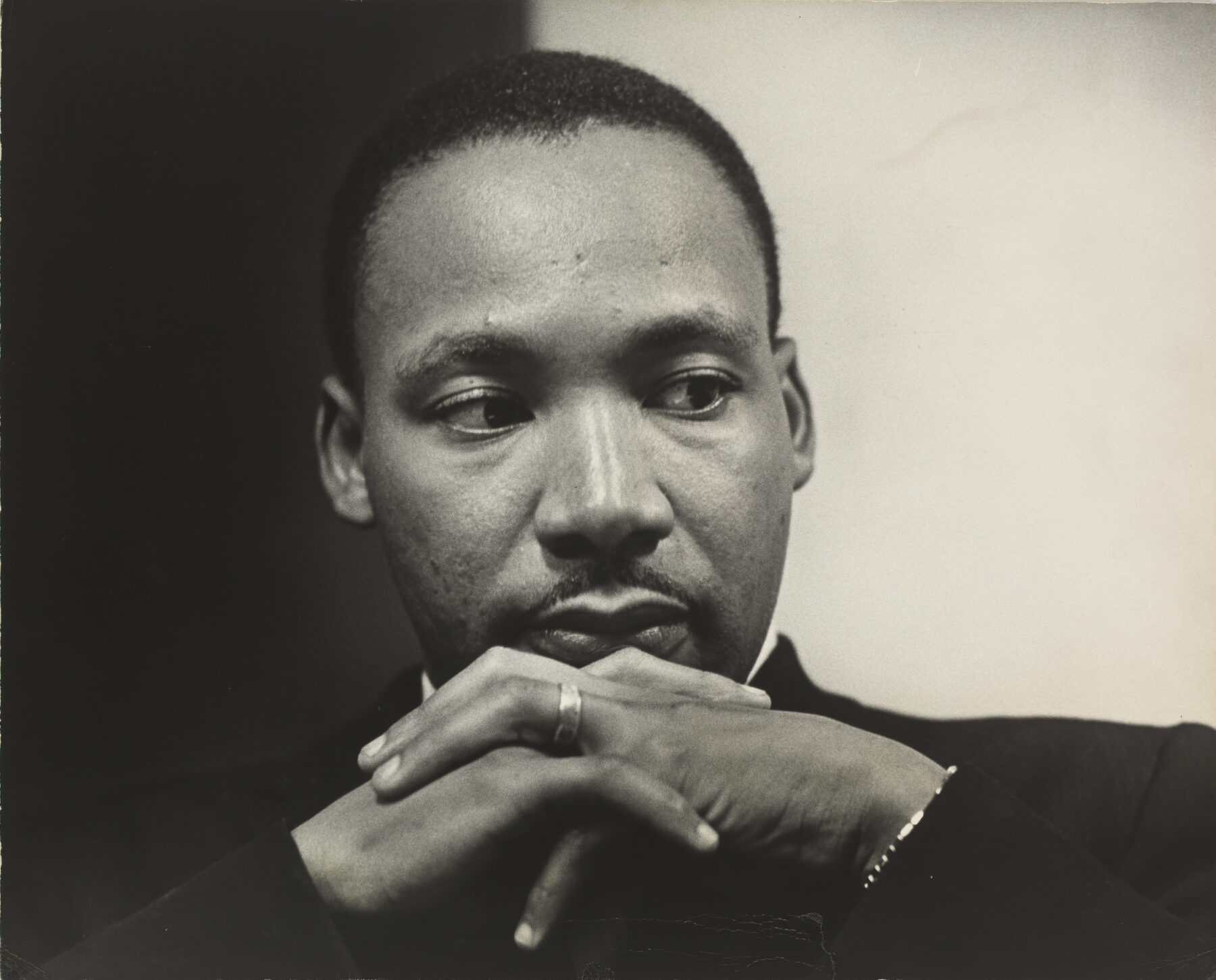
This week, we commemorate the 60th anniversary of Rev. Martin Luther King, Jr.’s “I Have a Dream” speech.
There is a timeless power to Dr. King’s speech, a power that transcends his soaring oratory and rhetorical flair. His speech continues to challenge and inspire us because it is “deeply rooted” in the dream that birthed our nation.
That dream was conceived in a Declaration of Independence that set forth certain unassailable truths and “unalienable rights.” We have struggled to fully realize the dream ever since.
The Reconstruction Era witnessed the passing of the Thirteenth, Fourteenth, and Fifteenth Amendments, making significant advancements in the cause of freedom and racial justice. During that period, 15 African-Americans were elected to the U.S. House of Representatives and two were elected to the U.S. Senate – Hiram Revels (R) became the first black U.S. Senator and Blanche K. Bruce (R), a former slave, became the first African-American to preside over the Senate.
Nevertheless, on Aug. 28, 1963, Dr. King stood before the statue of the Great Emancipator, President Abraham Lincoln, and convicted the conscience of a nation, reminding America that the evils of racism continued to corrupt our culture and to compromise its institutions.
The evils of racial segregation were still casting dark shadows across our national landscape, forcing African-Americans to live as “exile[s] in [their] own land” and denying them their full birthright as co-heirs to the American Dream.
Dr. King, however, believed a better future was possible – even imminent. After all, he was a dreamer. He described Black America as standing on “the warm threshold which leads into the palace of justice[,]” and he foresaw a day when the children of slaves and slaveholders would sit together at “the table of brotherhood[.]”
His words proved prophetic. Less than one year later, President Lyndon Johnson signed the Civil Rights Act of 1964, which, among other things, banned racial discrimination in employment and ended segregation in public places.
On June 12, 1967, in Loving v. Virginia, the U.S. Supreme Court took Dr. King’s dream a step further – the children of slaves and slaveholders could now legally marry. Finally, on August 30, 1967, four years after Dr. King shared his dream, Justice Thurgood Marshall became the first African-American to cross the threshold that led into our nation’s “palace of justice” and took his place in one of its judgment seats. The “arc of the moral universe” was inexorably “bend[ing] toward justice” at an accelerated pace.
Dr. King, however, sensed he would not live to enjoy the fullness of his dream; he would only see it from a distance. The night before his assassination, invoking biblical imagery, he likened himself to Moses, declaring that God had allowed him “to go up to the mountain.” He had seen a future of freedom and equality, “the Promised Land,” from where he stood. Like Moses, he would not cross over, but his people would.
As I reflect on Dr. King’s “I Have a Dream” speech, I am reminded that it also laid out the path to realizing his dream – love.
I am not talking about the kind of love that is borne of sentimentality or fleeting feelings. I am talking about the kind of love that compels one to lay down his life for another; the kind of love that inspires someone to identify with and advocate for those suffering injustice; the kind of love that forgives even the most grievous wrongs and gravest of transgressions. Dr. King believed that kind of love would forge a path through Jim Crow’s desert wilderness to the verdant hills and the mighty streams of the Promised Land.
Sadly, many politicians, pundits, and professors are actively working to dismantle the dream for which Dr. King and others gave their lives. They serve up frothing “cup[s] of bitterness and hatred,” encouraging aggrieved people of color to drink their poisoned ale.
Nevertheless, Dr. King’s booming baritone can still be heard today, inspiring us to choose a better way – love over hate, unity over division, forgiveness over bitterness, reconciliation over grievance, and partnership over partisanship.
Let freedom ring.
Niki Tshibaka is a former federal civil rights attorney and government executive.