
DEMOCRATS TRYING TO PUSH MAIL-IN-ONLY OPTION
Alaska is a “no-excuse” state for voters, meaning that they have several options for casting their ballots.
- They have the mail-in option, done through absentee ballots.
- They have the early voting option, which means they can vote 15 days prior to the election.
- And they have the “day of election” option, which is the traditional method for most voters.
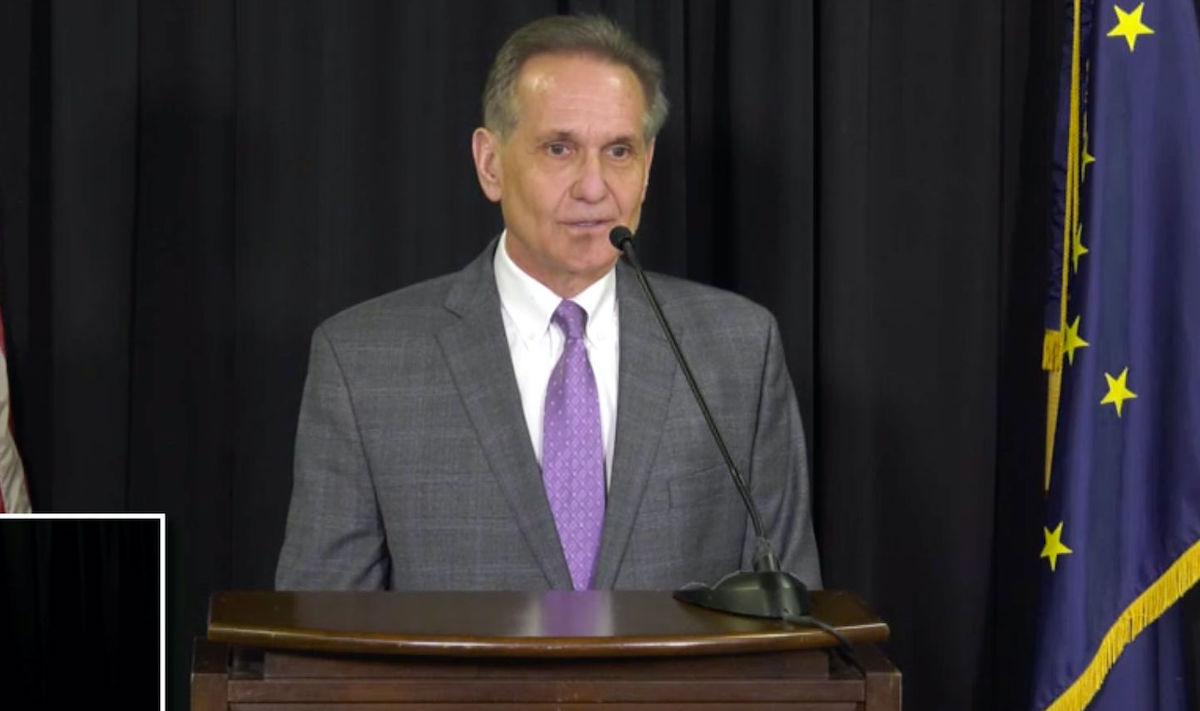
Lt. Gov. Kevin Meyer says Alaska voters will continue to have all those options; he’s not ready to close off two of them in favor of mail-in ballots.
Many Democrats, including Rep. Ivy Spohnholz, have been pressuring the lieutenant governor to switch to an all-mail-in election for the Aug. 18 primary. Spohnholz has been urging Democrats to contact the Division of Elections, to demand a mail-in election.
Rep. Jonathan Kreiss-Tomkins sponsored a bill in 2019 to move to a mail-in ballot system favored by Democrats, but although it was referred to his committee, he never held a hearing on the bill. Quite suddenly, he has scheduled his HB 150 bill for a hearing on May 19, one day after the Legislature arrives back in Juneau next week. Critics believe the Democrats are trying to force the mail-in ballot system this year.

But Lt. Gov. Meyer said today it would be impractical to mail two ballots to every eligible voter, and not expect a high error rate in their return. With 550,000 registered voters, and with 70 percent of them might want to vote one or another of the primary ballots (Republican ballot or Democrat-everthing-else ballot), he said there would be as many as 600,000 unsecured ballots floating around on kitchen tables, in garbage cans, and elsewhere, posing a security risk to the election.
Further, ballots must be provided in various languages, Meyer said. And with only 95 days left until Aug. 18, there’s too little time to ensure that the state can meet the terms of the law on language-specific ballots.
Meyer said he has been on calls with other Secretaries of State, which he serves as for Alaska, to learn about their experience with voting recently. Nebraska just did in-person voting and had a record turnout.
He said what was most important for Alaska voters were:
- Maximum access to voting. Alaskans should not have their access to ballots reduced.
- The state will produce the elections in ways it has always done, but with more safeguards such as masks, gloves, hand sanitizer, and social distancing.
- Voters will still be able to utilize absentee ballots, and the Division of Elections will mail absentee ballot applications to Alaska voters ages 65 and older.
- Voters will also be able to vote in person 15 days before the election.
- Special needs machines will be available at 441 locations across the state, something that the state cannot provide by mail.


