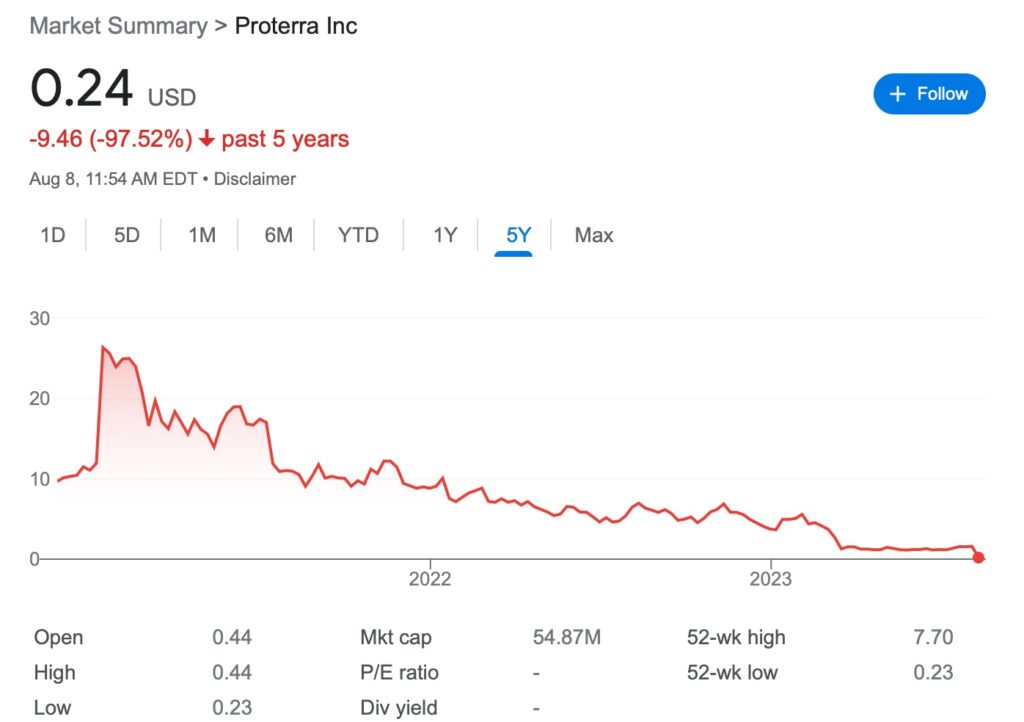
Proterra, a once-prominent electric-bus manufacturer, filed for Chapter 11 bankruptcy protection on Monday. Formerly valued at $1.6 billion, the Southern California company’s current financial stance places its assets and liabilities within the range of $500 million to $1 billion. Proterra’s market valuation has plummeted to a mere $362 million, reflecting a staggering 97% decline over the past half-decade.
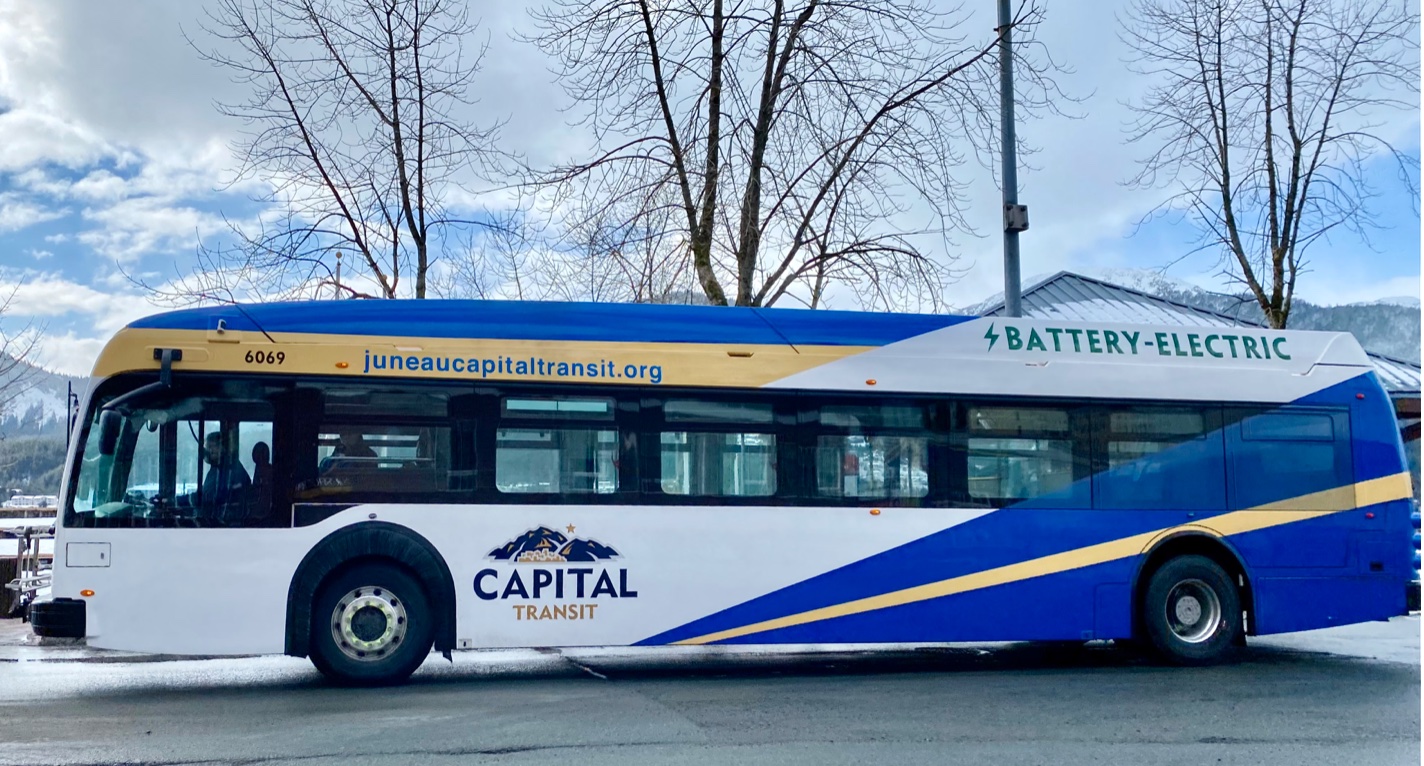
In 2021, Juneau embraced the electric movement by acquiring a Proterra bus, making it the first community in the state to take the pioneering step. However, the reality fell short of expectations as the bus struggled to complete a full shift due to battery depletion mid-route, especially during the winter months. Further, its turning radius posed challenges, preventing its operation on many of Juneau’s routes. Persistent issues with the bus’ wiring harness compounded the troubles, repeatedly disrupting power to one of the dual motors. These persistent problems led to the nickname of “lemon” for this particular Proterra bus in Juneau.

The struggles extended beyond Juneau, as other municipalities faced similar predicaments. In Pomona, Calif., Foothill Transit encountered significant problems with their electric bus fleet in 2021, with over a third of the vehicles rendered inoperable. A range of issues, including fires and stalling, plagued the fleet of 32 electric buses, leaving 11 of them unusable during that summer.
The transit authority attributed some of these issues to the manufacturer discontinuing parts for the early-generation electric buses after just a few years of operation, as well as repeated breakdowns occurring prematurely—merely seven or eight years into service—despite an expected operational lifespan of 12 years for such buses.
Funding for Juneau’s electric buses came from U.S. taxpayers through the U.S. Department of Transportation Federal Transit Administration’s Low- or No-Emission (Low-No) Grant Program, part of what was called the Bipartisan Infrastructure Law that is the Biden Administration’s climate change initiative.
Juneau was awarded $2.3 million from the program to get seven more electric buses, which are expected to be delivered by 2024. These will be made by the manufacturer GILLIG, which also makes the diesel buses that are being gradually retired in Juneau.
The Assembly has set a goal of 80 percent renewable energy by 2045. The energy that powers electric buses in Juneau is largely hydropower supplemented by diesel generators.