THE PROCESS OF FUNDING STATE SERVICES CONTINUES TODAY
House Finance Committee trimmed education spending Wednesday, as it worked through dozens of amendments to the budget.
The committee voted to stop reimbursing school districts for the past debt they’ve incurred for capital projects.
Those costs — about $140 million a year — will now fall on the local districts and their taxpayers.The budget amendment was put forward by Rep. Ben Carpenter of Nikiski.
At least on this item, the committee agreed 7-4 with Gov. Michael Dunleavy, that local jurisdictions need to cover their construction costs — even if they incurred them during a time when the State of Alaska picked up the tab “subject to appropriation.”
For decades, local voters could incur bond debt for school construction and the State would make the payments. After all, the State of Alaska had the cash.
That ended in 2015 when the price of oil crashed. But the the old debts were grandfathered in and the Legislature has been appropriating payments for them. In 2018, the Legislature trimmed back to paying 75 percent of the debt, rather than 100 percent.
In Anchorage, these public debt payments will cost property taxpayers. A homeowner would see about $420 more in taxes tacked on for property valued at $331,000 (the median cost of an Anchorage home). That, on top of the $59.1 million school bond that Anchorage voters just passed during this week’s municipal election, which will cost that same homeowner another $50 a year. The cost of living in Anchorage will definitely go up.
Anchorage already has one of the highest median property taxes in the United States, ranking 103rd of the 3,143 counties in order of median property taxes, according to tax-rates.org.
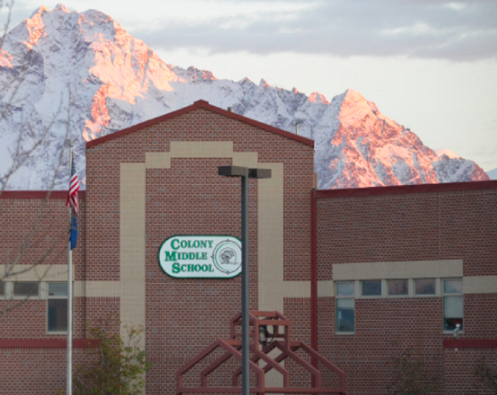
But the property taxpayers in the Mat-Su will be the ones really taking the hit because that district is the fastest growing in the state and has had the most construction. The Mat-Su has grown 65 percent in the past 20 years, and voters approved a $241 million bond package in 2011, which they’ll be on the hook for without state reimbursement. It could cost local property taxpayers about $60 million more than the share of the bond they are already paying. The median property tax paid in the Mat-Su is $2,436.
Opponents of the cut say it’s just shifting the cost of school construction down to the local level. Supporters say that’s not a bad place for construction costs to land and will make local voters pay attention to what they are approving at the ballot box, since they will be unable to shift that cost to the State.
The committee thus far has made few cuts to its working budget, which is the one that former Gov. Bill Walker proposed in December. That budget has $1.6 billion more spending than the amended budget offered by Gov. Michael Dunleavy. The Democrat-controlled House is struggling to trim the unfunded spending in the Walker budget, and making the budget balance will require much of Alaskans’ Permanent Fund dividends at this point, although that amount will depend on the final budget number and is subject to the governor’s veto.
The Senate will have its work cut out for it when the House votes on the floor and transmits its version of the operating budget in coming days. House Finance will continue working through the amendments today.