
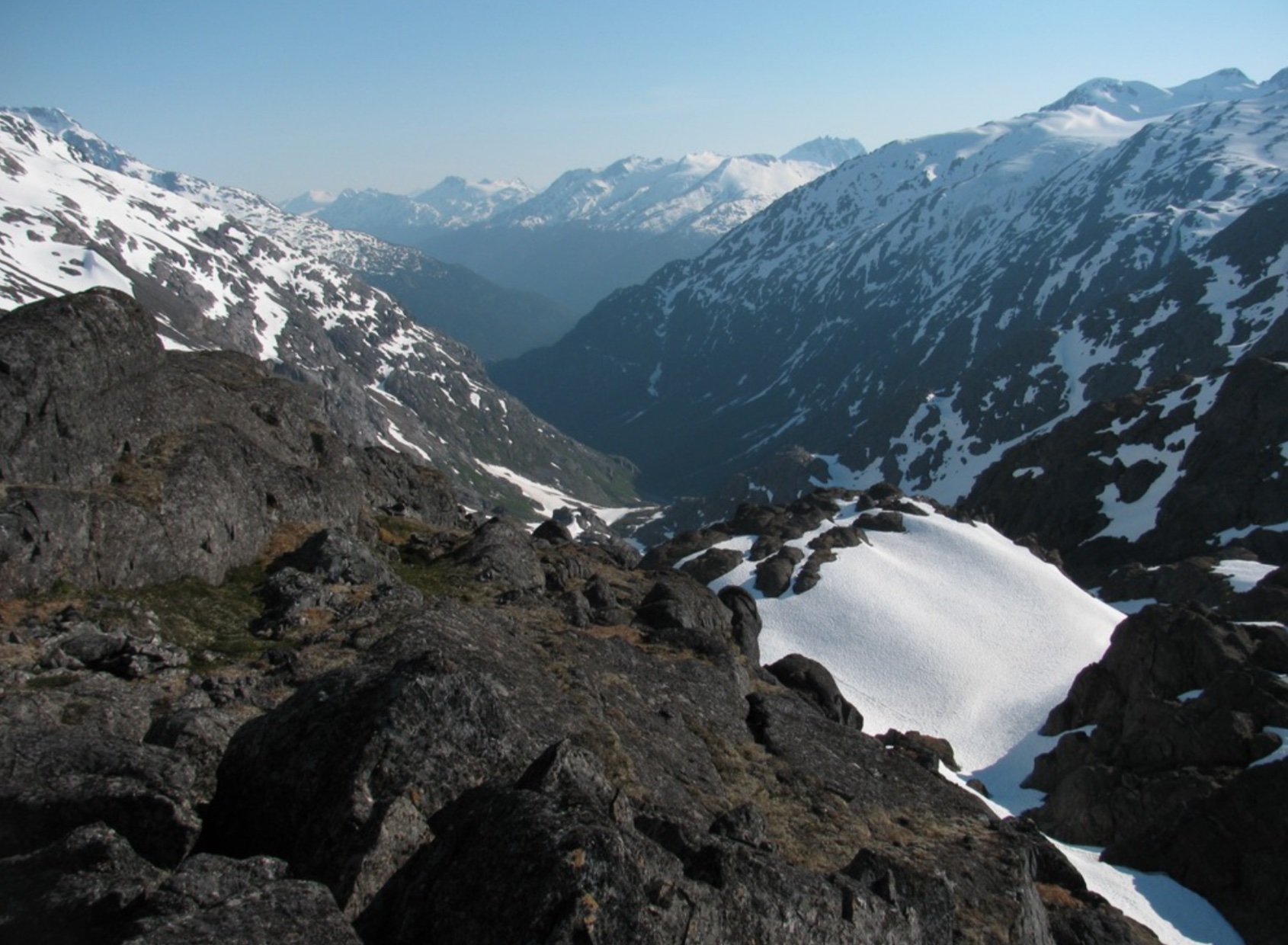
The historic Chilkoot Trail, a 33-mile international hiking route that stretches from Dyea, Alaska, to Bennett, British Columbia, is now open for the 2025 summer hiking season.
However, hikers are not permitted to cross the international border between Canada and the United States along the trail this year, continuing a restriction that began in 2022.
Both Parks Canada and the US National Park Service confirmed that while each side of the trail is open for hiking — the Canadian side from June 4 to Sept. 13, and the US side for similar dates — the international boundary at the summit of the trail remains closed to through travel. This means hikers must begin and end their journey on the same side of the border.
On June 5, 2025, Parks Canada issued an update to its website and social media, stating clearly: “Crossing the international border on the Chilkoot Trail is not permitted during the 2025 hiking season.” This followed a period of uncertainty, during which earlier messaging had suggested the Canada Border Services Agency was still evaluating whether cross-border hikers could meet legal entry and reporting obligations.
The final determination was the continued ban, aimed at upholding security and reporting protocols in remote border areas.
The Chilkoot Trail was once a major route for Klondike Gold Rush prospectors. It was shut down in 2020 due to the Covid pandemic policies in Canada, and in 2021 and 2022, flood damage on the US portion of the trail delayed its reopening. Although the American side is finally open again in 2025, the cross-border restriction from 2022 remains.
This ongoing limitation stems in part from increased scrutiny of remote border crossings. In January, the CBSA announced it would discontinue the issuance of Pacific Crest Trail permits for northbound hikers entering Canada, thus ending another popular cross-border trail.
The remote and rugged nature of the Chilkoot Trail poses significant challenges for monitoring hikers and verifying legal entry at the border, which lacks any permanent customs infrastructure.
The Canadian government is considering the Strong Borders Act (Bill C-2), a proposed law intended to combat transnational threats such as fentanyl trafficking and to strengthen immigration controls.
“Canada’s borders must be secure, modern, and efficient,” the CBSA stated earlier this year in its strategic vision. Measures include enhanced screening, improved data-sharing with US counterparts, and the discontinuation of leniencies in remote border crossings.
Hikers can still enjoy multi-day trips on either the Canadian or US portion of the trail. Parks Canada continues to issue permits for hikes beginning in British Columbia and terminating at the border, while the US National Park Service has reopened access from the Dyea trailhead up to the international boundary.
Permits and trip planning information are available via Parks Canada’s Chilkoot Trail site and the US National Park Service site for Klondike Gold Rush National Historical Park.


