
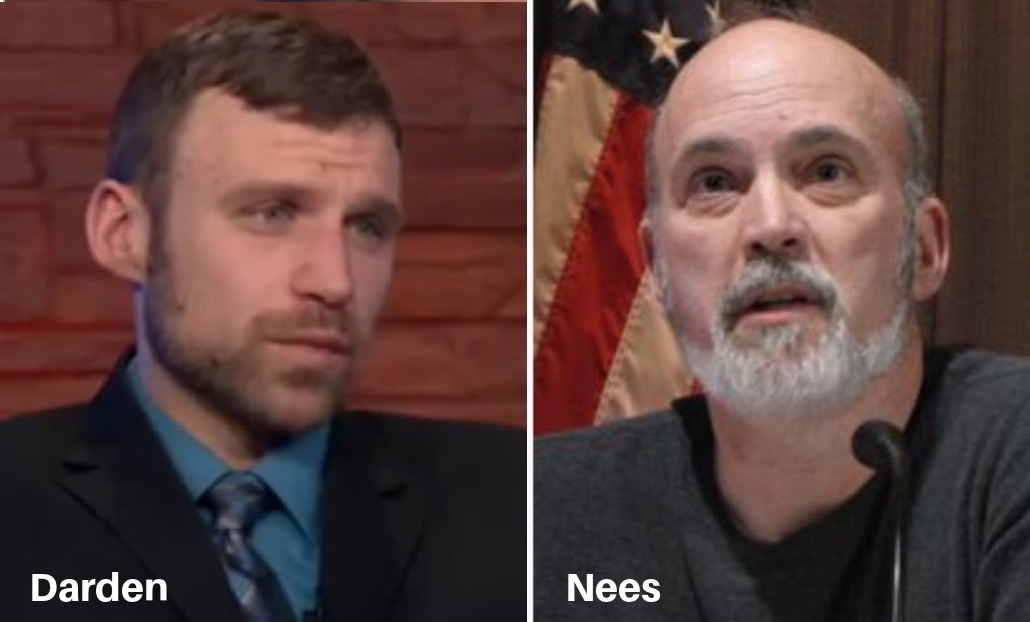
Anchorage activists Dustin Darden and David Nees today completed legal filings on two recall petition applications that were denied by the Anchorage Municipal Clerk.
The two are challenging the rejection of their request for petitions to recall Assembly members Austin Quinn-Davidson, who is now the acting mayor, and Kameron Perez-Verdia.
“The recall rights in the Alaska Constitution are a basic right and the clerk has infringed on it,” Nees said. “The Constitution states that all political power resides in the people.”
One of the main gists of the recall allegations is that both Quinn-Davidson and Perez-Verdia were derelict in their fiduciary responsibility as it pertained to the federal CARES Act funds the municipality received.
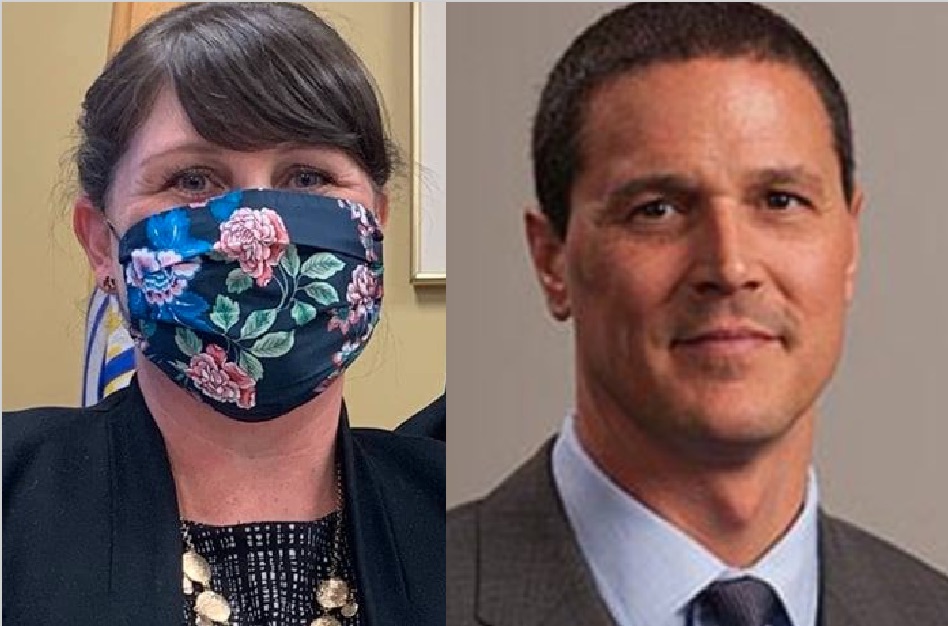
Darden and Nees allege that Kate Vogel, the Municipal Attorney, advised the Assembly how to do a workaround of federal prohibitions on spending CARES Act funds.
“The Inspector General was very specific on how the money could be spent, and it had to be spent according to the guidelines (See exhibit 3). Assembly member Quinn-Davidson in conjunction with other members decided to reallocate the funds to skirt the prohibition. They revised the Ordinance to funnel the funds into the Police and Fireman Reserve and use the reserve money to purchase the buildings. (See exhibit 4)”
According to the complaint, the courts have numerous times stated that the review of the grounds for a recall is to be construed liberally. In this aspect, the complaint cites the case against Division of Elections Director Gail Fenumiai by the Recall Dunleavy Committee, when Judge Eric Aarseth concluded:
“… noting that the recall is a political process and that prior recall cases show that the current claims are sufficient to get the issue in front of voters.” As for the damage done by the governor’s actions, Aarseth said that’s something for the voters to weigh if the recall reaches a vote.
“This is a political process. Neither side, as you would be at trial, is limited to a particular day or a certain number of hours or even limited to evidentiary rules as to what they can present when they campaign, if the recall ballot is eventually issued. In that campaign, they have the ability to explain to the public what the allegations and defenses mean, and what the evidence is or the lack thereof to support each sides’ position. The point is, is that it really only takes a single sentence with a few words to adequately put a person on notice of the conduct that is being alleged.”
According to Nees, the failure to include the implications from Recall Dunleavy v. State of Alaska in their review is a fatal flaw in the advice given to the Municipal Clerk by Municipal Attorney Vogel.
“The attorney also relied on the current, and probably unconstitutional review process” for the Municipality of Anchorage, Nees wrote.
Darden is the activist who the Anchorage Assembly Chair Felix Rivera had hauled out of the Assembly Chambers on Tuesday in handcuffs. The Municipality of Anchorage had the police arrest him and is charging him with trespassing during a public meeting; he has an arraignment date of Jan. 12.
Case numbers 3AN-29-09618 and 3AN-20-09636 have been assigned to Anchorage Superior Court Judges Gregory Miller and Josie Garton.
Nees, a retired math teacher who is acting as his own counsel, split the cases into two to prevent the Municipality from objecting that the cases are combined, thereby further delaying the recall effort and frustrating the applicants, but the cases will likely be joined into one by the court, as they are identical.


