
Alaska’s two senators and lone congressman have differing views about the recent deployment of US Marines to protect federal property in Los Angeles, with sharply different interpretations of law, public safety, and the role of the military on American soil.
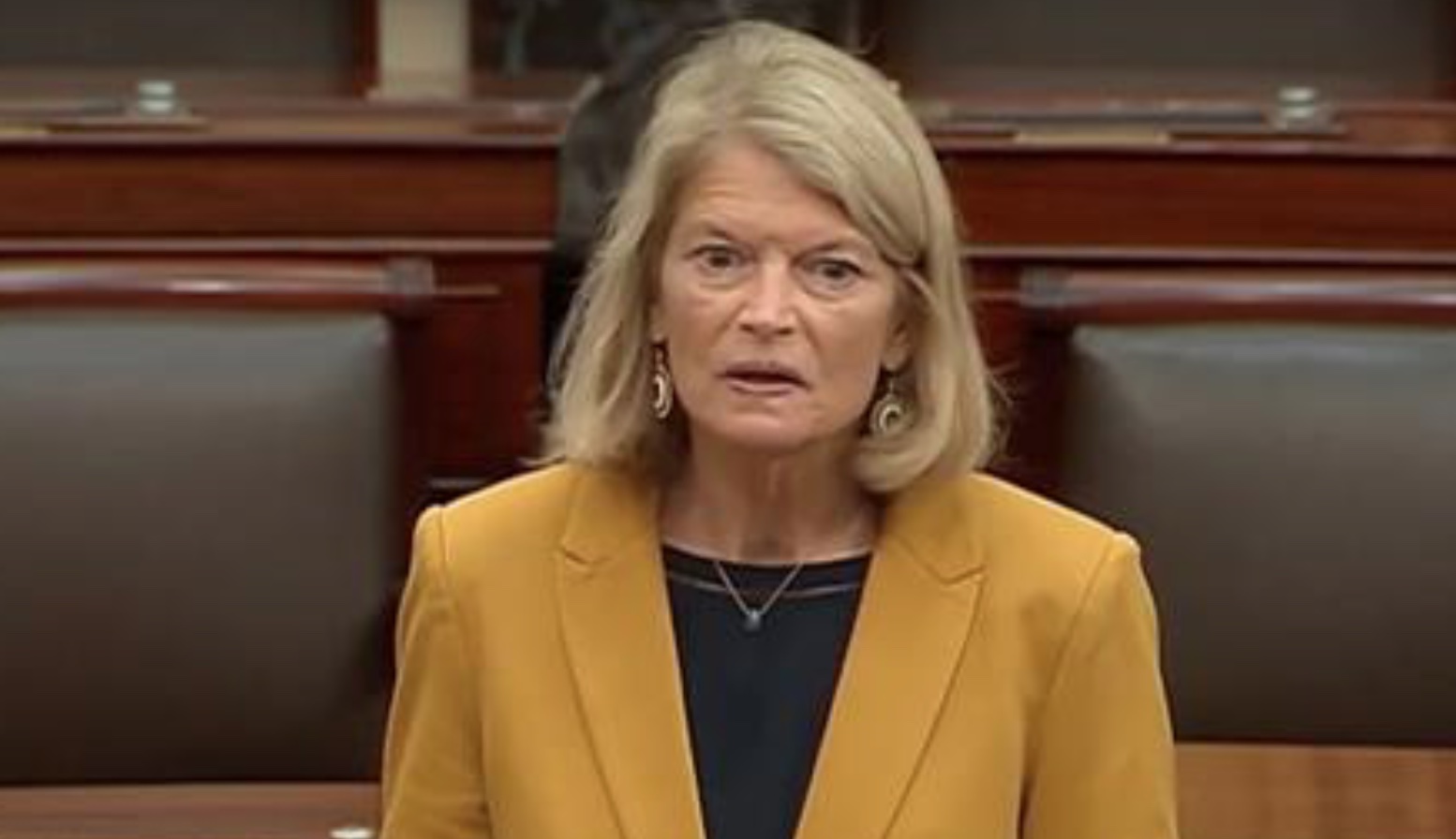
Sen. Lisa Murkowski expressed strong reservations about the use of active-duty military forces in American cities, saying, “Our military are to be used to protect us from foreign threats, but not within our own country.”
Her statement echoes concerns about militarization of domestic affairs and the potential for abuse of executive power. But overreacting comments oversimplify federal law and ignore long-established statutes that authorize the federal government to deploy troops for limited domestic roles. Sen. Susan Collins of Maine agrees with Murkowski, saying, “Active duty forces are generally not to be involved in domestic law enforcement operations.”
While Los Angeles Mayor Karen Bass and California Gov. Gavin Newsom say they don’t need outside help, Trump ordered 4,000 National Guard members and 700 Marines to be on the scene in Los Angeles County to assist law enforcement quell the insurrection, as the summer of 2025 heats up. Last night in Seattle, insurrectionists tried to burn down a federal buidljg downtown, leading to a violent confrontation with Seattle police.
While the Posse Comitatus Act generally prohibits the use of federal military forces to perform civilian law enforcement duties, it does not completely ban domestic deployment. Under Title 10 of the U.S. Code, the president is authorized to use military personnel to protect federal property, enforce laws, or respond to insurrections and emergencies. The Department of Defense clarified that the Marines in Los Angeles were operating under this narrow framework—assigned only to guard federal buildings and personnel, not to police the streets or engage protesters.
The historical record supports this interpretation. Presidents have authorized military forces to protect federal interests on American soil cases, such as securing courthouses during civil unrest. As long as the troops do not carry out law enforcement actions, such as arrests, the deployments are considered legal. Murkowski’s framing of the issue as strictly “foreign threats only” is at odds with the legal reality that the military has long held a backup role in safeguarding key federal assets under certain conditions. The ignores the fact that military can be used to stop an invasion.
Sen. Dan Sullivan was more circumspect: “The First Amendment guarantees the rights of all Americans to protest—not to riot, loot local businesses, and commit violence against law enforcement officers. The protests in LA have unfortunately devolved into a very dangerous situation for local residents and for federal agents simply carrying out their duty to implement our immigration laws. The LA Chief of Police said earlier this week that the protests had ‘gotten out of control’ and that ‘our officers are really under attack.’ President Trump is justified in calling in the National Guard and the Marines when federal officers and property are being threatened by violent agitators, and to support local police officers working to restore order and protect the lives of local citizens.”
Congressman Nick Begich defended the deployment, citing the scale of lawlessness and the broader consequences of illegal immigration and narcotics trafficking.
“What we have seen in Los Angeles is utter lawlessness. This behavior has no place in America’s communities, and the deployment of federal resources is consistent with the type of whole-of-government approach required to restore order and protect the innocent.”
Begich tied the unrest in Los Angeles to the federal government’s failure to secure the border and enforce immigration laws, arguing that federal intervention is not only lawful but necessary.
The Trump administration authorized the deployment of Marines under what it called the “protective power” of federal agencies to secure their own infrastructure. There is a distinction: The Insurrection Act would permit a broader use of force, including crowd control and policing. By contrast, the Marines in Los Angeles are tasked only with protecting federal sites such as courthouses and immigration facilities. These are assets owned by the people of America, paid for by taxpayers.
Murkowski’s concerns resonate with those who hate Donald Trump, and her characterization of the military’s role lacks accuracy. Federal law clearly allows for the use of troops in certain domestic scenarios, provided their mission remains strictly protective and does not cross into law enforcement.
As lawlessness fueled by rampant illegal immigrant crime grow in California, a legal challenge by Gov. Newsom is scheduled to be heard June 12.


