
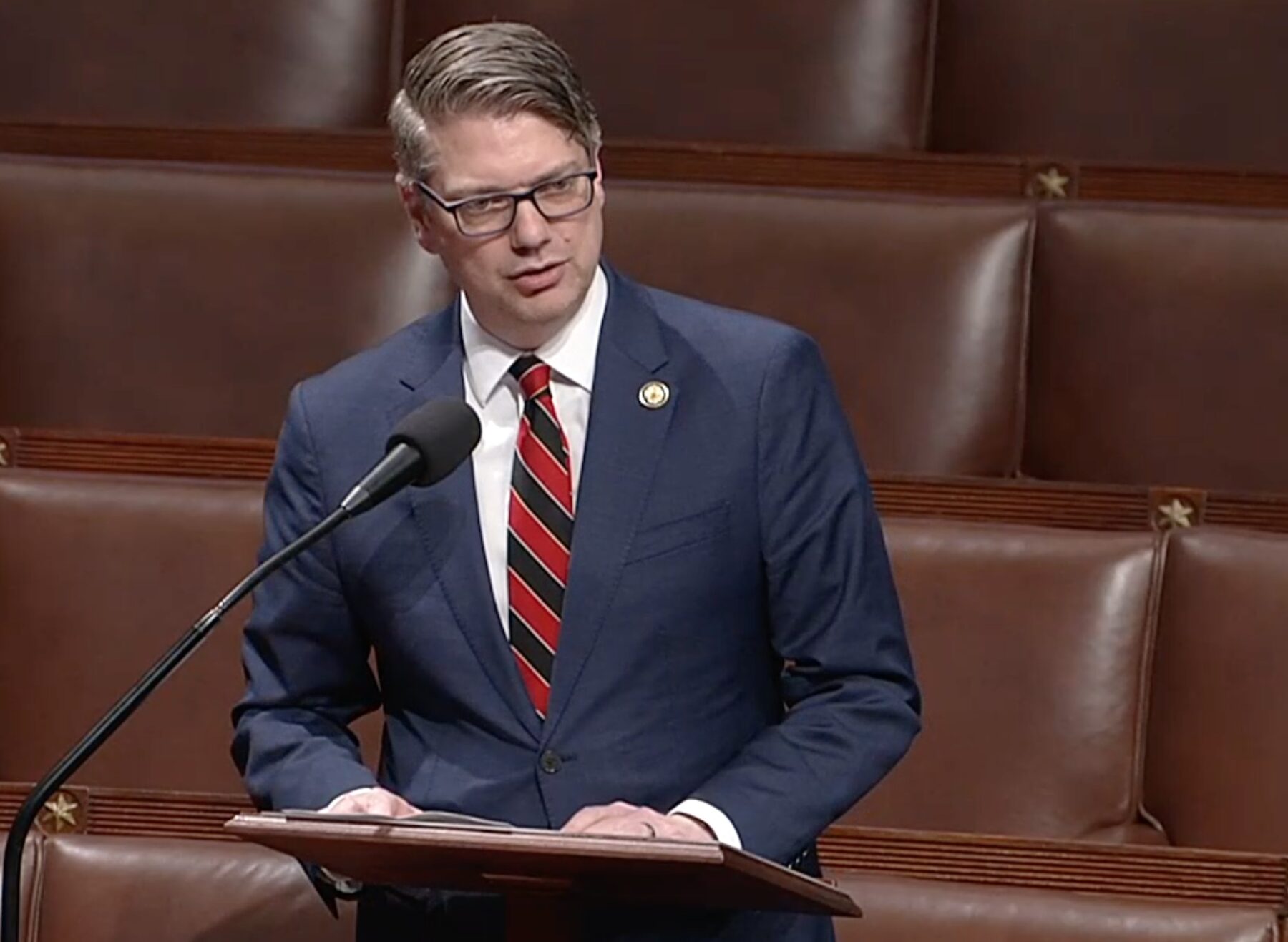
He’s been in office for less than three months, and Congressman Nick Begich has gotten his third bill passed by the House.
The US House of Representatives on Monday passed the “DOE and NASA Interagency Research Coordination Act.” Sponsored by Begich and co-sponsored by Congressman George Whitesides of California, who was former chief of staff at NASA, the legislation passed under the suspension calendar with strong support from both parties. It will not cost the taxpayers but it will improve space and energy research.
“With today’s passage of the DOE and NASA Interagency Research Coordination Act, we are solidifying a critical partnership that has powered America’s leadership in space and energy innovation for decades,” said Congressman Begich. “This legislation ensures that two of our nation’s most advanced research agencies work hand-in-hand, driving the next generation of space exploration technologies while also advancing energy and communication systems here at home.”
“As NASA’s former Chief of Staff, I know that research collaboration is critical to the overall goal of advancing America’s leadership in space,” said Rep. George Whitesides. “By formalizing NASA’s partnership with the Department of Energy through bipartisan legislation, we can ensure greater efficiency, oversight, and progress in space exploration and energy innovation.”
For over half a century, the Department of Energy and the National Aeronautics and Space Administration have routinely collaborated on groundbreaking technologies, including Radioisotope Power Systems, nuclear thermal propulsion, and surface power systems. The partnership had never been formally codified—until now.
Key Provisions of the Act:
- Directs the Department of Energy and NASA to jointly pursue cross-cutting research and development initiatives.
- Requires the two agencies to submit a report to Congress within two years detailing their collaborative work and future research plans.
- Ensures that coordination efforts are achieved within existing agency budgets, without authorizing additional spending.
The formalization of this partnership is expected to streamline research efforts, enhance efficiency, and drive technological breakthroughs that benefit both space exploration and energy innovation on Earth. The bill now moves to the Senate for further consideration.



