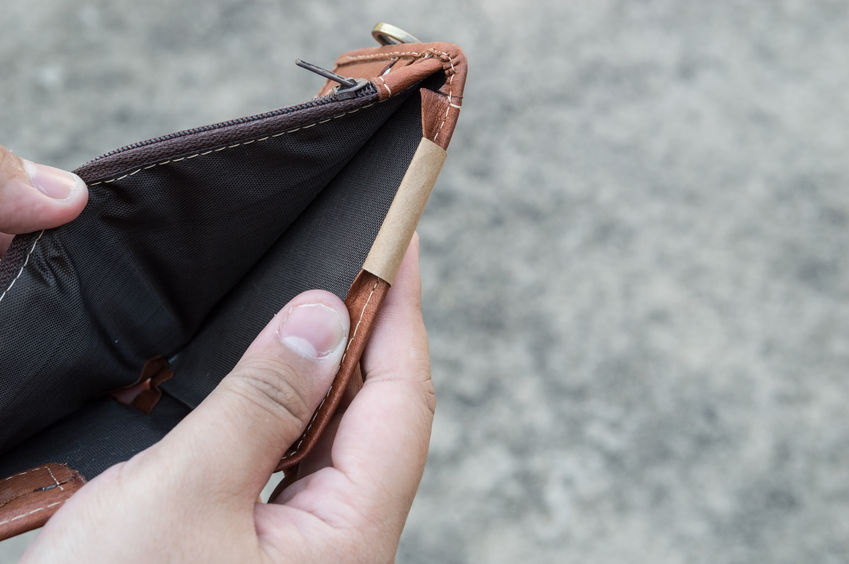
Democrat candidates and their causes were well funded this year, and they hemorrhaged cash to the consultants and media experts who ran their losing campaigns.
Take Kamala Harris, for example. Her brief campaign for president raised over $1 billion and lasted just 107 days, which means she burned through $10 million a day. Her spending was at times reckless: She made her campaign spend over $100,000 recreating the “Call Her Daddy” podcast set in a Washington hotel room so she would not have to fly to California for the appearance on the show, which only had a sliver of the audience that Donald Trump had on the Joe Rogan podcast.
The Harris campaign spent $654 million to paid media, and Democratic groups working on behalf of Harris spent $726.1 million on advertising. The total comes close to $14 billion. Trump’s campaign spent $378 million, according to AdImpact.
Harris’ campaign payroll totaled $56.6 million, while the Trump campaign spent $9 million, employing far fewer people.
Harris reportedly ended her campaign $20 million in debt and can’t even pay her employees without an extra infusion of cash from donors — and the letters asking for money went out immediately.
In Alaska, Rep. Mary Peltola had a massive cash advantage, running one of the most expensive campaigns in Alaska history.
As of October. 16, Peltola had raised nearly $11.4 million for her campaign, not including the millions spent on her behalf by third-party groups, such as Planned Parenthood and the many well-heeled unions that ran their own parallel campaigns for her reelection. She had $1,163,587 cash on hand as of the Oct. 16 filing period.
In other words, Peltola’s campaign spent over $31,000 every day for the 365 days leading up to the Nov. 5 election.
Her challenger, Republican Nick Begich, raised a little over $2 million, spent $1.8 million and had $279,455 cash on hand by Oct. 16.
Like Trump, Begich was outspent by the Democrats but appears to have won.
Ballot Measure 2, repealing the ranked-choice voting system now being used in Alaska, was even more lopsided in spending.
The group trying to keep ranked-choice voting — “No on 2” — raised more than $14.6 million, nearly all of it from dark-money billionaires like John Arnold, who are not Alaskans but who opposed repealing the system they had spent over $6 million in dark money in 2020 to install.
The citizens group trying to repeal ranked-choice voting in Alaska, “Yes on 2” had under $100,000, all Alaska donations, to work with, but because the “No on 2” people kept suing to keep the question off the ballot, their debt is in at least the tens of thousands of dollars, just in legal fees fighting off the Scott Kendalls of the other side.
Around the country, the groups pushing ranked-choice voting in other states also outspent those who favor regular voting.
These figures were supplied by Phil Izon, one of the Alaskans who worked to get the signatures to repeal ranked-choice voting:
Alaska: $6.84 million + $14.64 million = $21.48 million supporting RCV over two ballot measures (Ballot Measure 2 in 2020 installed ranked-choice voting, while Ballot Measure 2 in 2024 repealed it. Those opposing ranked-choice voting in Alaska had just $1.1 million between 2020 and 2024. The imbalance was 21 to 1.
Arizona: $15.88 million supporting ranked-choice voting (Proposition 140 in 2024); $150,000 opposing it. Voters decided against installing ranked-choice voting in Arizona.
Colorado: $14.66 million supporting ranked-choice voting (Prop 131 in 2024); $460,000 opposing it. Voters decided against installing ranked-choice voting in Colorado.
Idaho: $5.50 million supporting Proposition 1 in 2024; $150,000 opposing it. Voters decided against installing ranked-choice voting in Idaho.
Montana: $44.76 million supporting CI-126 and CI-127; $70,000 opposing them. Voters decided against installing ranked-choice voting in Montana.
Nevada: $22.38 + $19.36 = $41.74M supporting Question 3 in 2022 and Question 3 in 2024. $2.08 million + $2.43 million = $4.51 million opposing (Question 3 in 2022 and Question 3 in 2024). Voters decided against installing ranked-choice voting in Nevada.
Oregon: $10.12 million supporting, $10,000 opposing Ballot Measure 117 in 2024. Voters decided against installing ranked-choice voting in Montana.
South Dakota: $1.62 million supporting; none opposing ranked-choice voting. Voters decided against installing ranked-choice voting in South Dakota.
Washington, D.C.: $1.28 million supporting Ballot Initiative 83 in 2024); $1,000 opposing. Voters in D.C. approved ranked-choice voting.
The total spent for pushing ranked-choice voting between 2020 and 2024 was at least $157.04 million. It exceeded by 24 times the amount the opposition to ranked-choice voting spent trying to preserve regular voting.