
During a presentation by the Anchorage Human Resources Department, the Anchorage Assembly heard good news about how the municipality is doing when it comes to hiring a variety of people — minorities, women, disabled, and those with an ever-widening array of gender-identity-related issues.
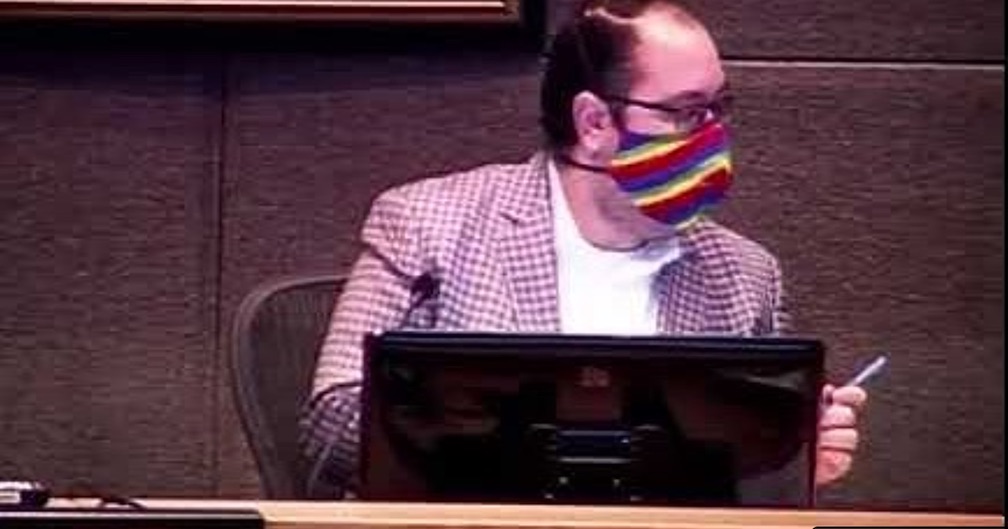
Assemblyman Felix Rivera responded to the Affirmative Action presentation by saying the data isn’t really what anyone can rely on for good information. In his conversations in the community, he said that people have painted a different picture than the data shows. That picture is that there is great disparity in hiring in Anchorage.
The city, under direction of law, produces an Affirmative Action survey of its workforce and contracts annually. The report is to inform leaders about how inclusive they are in hiring.
“If you were to go and talk to people in the community especially BIPOC people and BIPOC leaders, and tell then that according to our Affirmative Action plan that ‘we’re all good to go with our hires, no need to worry,’ you know I can tell you myself based on the conversations I have and based on the experience I have experienced, I have in our community … that people would disagree with me entirely,” Rivera said at the end of the presentation.
“Just because the data says we’re good doesn’t really mean we’re good,” Rivera said, adding that bad data input leads to bad data output.
Rivera then reported that on public radio he heard a discussion about the problem of not having enough black lawyers in Alaska. “They spoke about the stagnation in the numbers of black lawyers in Alaska in the last decade, and how it’s pretty much not great,” Rivera said. He continued by saying the affirmative action plan “defends the status quo.”
Assemblyman Chris Constant agreed wholeheartedly that the plan defends the status quo.
Chief Anchorage Human Resources Officer Niki Tshibaka, who himself is a black lawyer, responded by saying that in order to get more black lawyers, there needs to be a wider approach, meaning focusing in on education and addressing other societal factors that lead to few black lawyers in Alaska. He also pointed out to the assemblymen that the percentages are not so awful as they were inferring, since there are not that many black people in Alaska overall, and since Anchorage is a majority white city.
According to data from the Alaska Bar Association, 2 percent of Alaska lawyers are Native and less than 1 percent are black. Blacks make up 3.28 percent of the Alaska population, while Natives comprise nearly 15 percent.
Listen to the Rivera remarks here:


