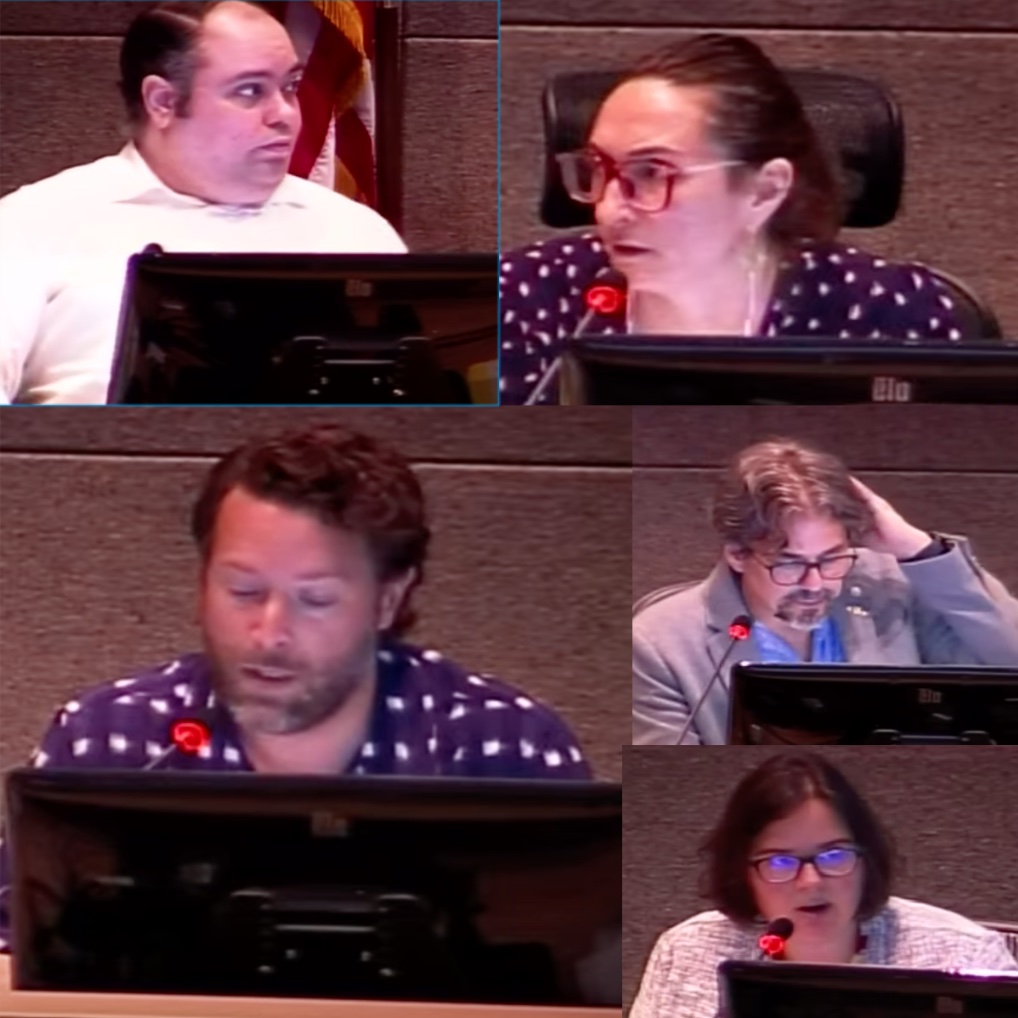
Some of the most influential liberals in the Anchorage bowl have written a letter to the Anchorage Salaries and Emoluments Commission, asking that the commission make the health benefits for Anchorage Assembly members the same as it is for other municipal employees.
If approved, this will cost the Anchorage taxpayers roughly $500,000 a year.
The Assembly members already receive a $250 bi-weekly municipal benefit stipend in addition to their salaries, which are about $60,000 per year. The chair of the Assembly is paid $67,000 per year.
Signing the letter was Mayor Suzanne LaFrance and numerous liberal former members of the Assembly, including now-Sen. Forrest Dunbar, now-Sen. Elvi Gray-Jackson, former Assemblywoman Austin Quinn-Davidson, and retired Municipal Clerk Barbara Jones, who was most recently a major player in the election of LaFrance as mayor.
The decision by the commission is something that would be final and not voted on by the Assembly. The matter was brought up at the Aug. 6 meeting of the commission, details about which can be found at this link. No vote was taken and no future meeting has been publicized.

“The recent debate over salaries for Alaska legislators demonstrates that fair pay and benefits for elected officials is a growing concern. When the pay and benefits for elected officials are so low that only wealthier residents can participate, it harms the democratic process and leads to elected officials who have less in common with the people they represent. The Anchorage Assembly functions best when it is a true reflection of our community, and the addition of health care benefits will make the job more accessible to a wider range of people,” the letter said.
“The issue is also a matter of fairness. The work of an Assembly Member frequently exceeds 40 hours of work a week. If any other municipal worker put in this many hours and did not receive the full health care benefits package, it would be a violation of municipal policy. In fact, even part-time municipal employees are eligible for the full monthly health care benefits contribution. To get an idea of an Assembly Member’s schedule, in a recent two-week pay period in June, a time when the Assembly tends to have a lighter schedule, the Assembly had 28 hours of meetings in which members were expected to participate. They also spend about 4 hours a week in committee meetings, 10 hours a week responding to constituents, 10 hours a week working on legislation and research or related communication with municipal employees and partners, and 6 hours a week at community council meetings and community events, which yields well over 80 hours of work per two-week pay period,” the letter said.
The group goes on to argue that without health benefits, there is no equity.
The letter demonstrates that the Assembly has made its work a full-time job and now wants not only full-time pay, but is starting down the road of full-time benefits for something that used to be considered public service.
The complete letter is below: