
A controversial proposal to rezone much of Anchorage into an “anything goes” scheme has been greatly simplified by three members of the Assembly. Now, it’s about allowing up to three dwellings per residential lot in every residential neighborhood, rather than the previous plan of “any residential type in any neighborhood.” The prior goal of packing Anchorage with density has been scaled back.
Assembly members Anna Brawley, Daniel Volland and Meg Zaletel announced the new, substitute version (version S-1) of AO 2023-87, which they say reflects feedback they have received. The vast amount of public feedback to the proposed ordinance was negative.
The change in zoning is meant to reflect changing demographics, the new version says. Fewer people of childbearing years are having children and Anchorage has an aging population of Baby Boomers, “a larger proportion of people living alone, and a continuing outflow of working-age adults and families leaving Anchorage and Alaska, particularly over the last decade,” the document explains. “Additionally, the Municipality’s own 2012 Anchorage Housing Market Analysis found that ‘given the historic density of development and rate of redevelopment, the Anchorage Bowl does not have sufficient vacant buildable residential land to accommodate the demand for housing units forecasted over the next 20 years,’” the members of the Assembly wrote.

The Assembly has been working on develop “diversity, equity, inclusion” zoning in Anchorage since last year when AO 2023-66 was introduced to create densely packed neighborhoods throughout the city. Originally, the plan was to have essentially just two zones — housing of any sort and commercial. That meant someone could build an apartment building in the middle of a single-family neighborhood, thus drastically changing not just the personality of the neighborhood, but the level of noise, traffic, and ability to move snow around cars and trash containers in the long Anchorage winters.
The proposed 2023-87 replaced 2023-66 when the former proposal ran into strong public opposition.
The new version of 2023-87 reverses most of the changes proposed through the original plan, including the consolidation of residential zones, and focuses on a single policy objective: Eliminating all single-family zoning in the Anchorage Bowl.
“Things can quickly become overly complicated between legislative drafting and the robust public process, so let’s keep it simple,” said Assemblyman Volland, who added that the new version will be introduced at the June 25 regular meeting of the Assembly. “This new version makes ‘Two-Family Dwellings’ a permitted use by-right in every residential zone and redefines ‘Two-Family Dwellings’ to include detached structures.”
“There’s a brilliance in simplicity,” said Assembly Vice Chair Zaletel. “By making two simple changes—permitting up to three units (two primary and one accessory) by-right where one unit currently exists and allowing dwelling units to be multiple structures—we provide flexibility in current code that empowers more housing.”
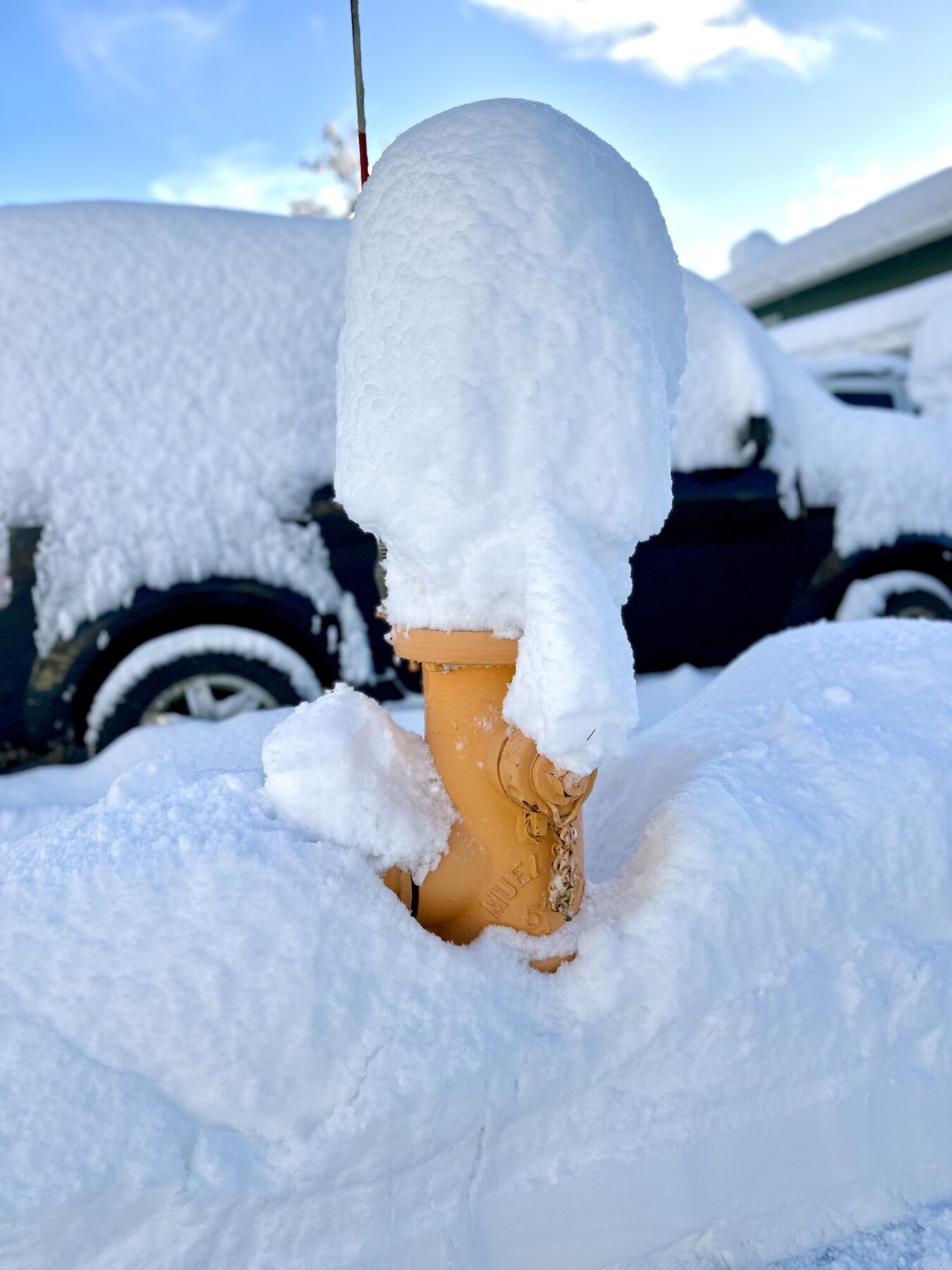
The new version also somewhat addresses the snow-removal and storage problem that was created and never addressed by the old proposed ordinance. Anchorage is a snow city and neighborhoods are already challenged by not having enough places in densely packed neighborhoods for snowplows to store snow.
“The public process behind the HOME Initiative has been enlightening,” said Assemblywoman Brawley. “We set out with an ambitious goal to simplify our residential zoning code and make it easier to build housing. Among points of contention, the public process revealed where stakeholders could find consensus. The new version focuses on our points of consensus and sheds the baggage of our disagreements so we can be bold together.”
The ordinance would have the Planning Commission develop the specific rules around the new zoning plan and the public process may stretch on for many months on this new proposal.



