
With environmental groups threatening companies that may have sought to bid on leases in the Arctic National Wildlife Refuge, Alaska’s own economic development corporation has decided to make sure those leases get buyers.
The board of the Alaska Industrial Development and Export Authority on Wednesday unanimously voted to allow the agency to bid up to $20 million on leases in the 1002 Area of the Coastal Plain of ANWR. The agency could then partner with a company to do the actual development work.
The federal lease takes place on Jan. 6, and some have worried that threats by environmentalists and fearful banks, that are responding to intense environmental pressure, will suppress interest in the opportunity to develop oil in the extremely resource-rich area.
Environmental groups and some private companies are threatening economic sanctions against companies that dare to work in the Arctic. Recently, The North Face refused to sell jackets to an oil services company, following in the footsteps of Patagonia; both companies make jackets, tents, and backpacks out of oil.
This fall, the Wilderness Society penned a letter to the CEOs of Chevron, ConocoPhillips, ExxonMobil, and Hilcorp, warning them off of bidding on the leases. The letter, signed by 250 environmental organizations and some businesses, demanded the companies refuse to bid and also make a “public statement in opposition to the development of oil and gas in the Arctic Refuge. The reputational, environmental, climate and economic risks of drilling in the refuge are not worth the potential harm such calamity can do to your brand.”
The threatening letter continued:
“Investors are also taking notice. As evidenced by the recent announcements from five of the six largest US domestic banks, the pursuit of oil and gas development in the Arctic Refuge comes with tremendous financial risk as well. Soon we will also be briefing asset managers, insurance and reinsurance companies on the risks of doing business in the Arctic Refuge. As the global community works to pivot away from fossil fuels in the face of climate change, the pursuit of oil and gas in remote corners of the globe will continue to face strong social and political opposition.
“Pursuing oil and gas in the Arctic Refuge is increasingly fraught with financial risk. At a time when demand for oil and gas is likely in permanent decline, drilling in the Arctic Refuge doesn’t make fiscal sense. Arctic lease sales are likely to be challenged legally, resulting in additional costs for your beleaguered industry. The risks of investing in new oil exploration are high – no investment in drilling in the Arctic Refuge should be considered safe.”
Wednesday night’s meeting of the AIDEA board was dominated by members of environmental groups testifying in opposition to the proposal, with caribou, polar bears, and other wildlife being their chief concern. Polar bears are now relatively abundant in the Arctic, with their main threat being Native and their Inuit-guided trophy hunting clients, which are responsible for about 900 polar bear deaths each year. There are believed to be more than 31,000 polar bears in the Arctic, a dramatic increase from the 12,000 polar bear count in the 1960s. Likewise, caribou are abundant, particularly in the North American Arctic.
The AIDEA board discussed the leasing proposal in executive session for over two hours and then voted unanimously to proceed.
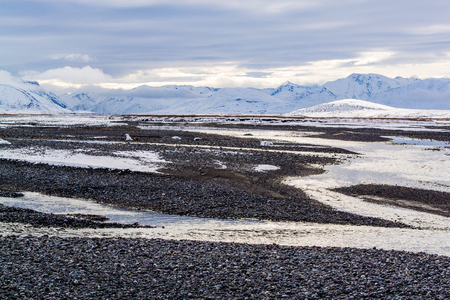
It’s the latest salvo in the war over Alaska’s future economic viability as a state, and a 352,00-acre portion of the refuge’s 1.6 million acre coastal plain, which is mainly gravel and water.
Earlier this month, environmental groups and their surrogates asked a federal judge in Anchorage to prevent the U.S. Department of Interior from allowing the leases to proceed before President Donald Trump leaves office. Inauguration Day is on Jan. 20, 12 days after the lease sale is scheduled.
In all, four lawsuits have been filed since August over the lease sales, with three of them asking for preliminary injunctions.


