
By Dr. Michael Hanifen, B.S., D.C., Ed.D.
Dr. Michael Hanifen served more than eight years in the United States Air Force, earned the rank of Staff Sergeant (SSgt), and served as an NCOIC (non-commissioned officer-in-charge), including two deployments to Saudi Arabia in support of Operation Southern Watch.
I joined the United States Air Force at 18 years old for the educational opportunity. The military gave me a path forward, allowing me to use tuition assistance to earn two degrees while serving, and later the GI Bill to complete my Doctor of Chiropractic degree.
What I thought would simply help me build a career ended up shaping who I became as a man.
Military service was part of my family long before it became part of mine. My father served in the United States Navy as a Gunner’s Mate during the Vietnam War, and my great-grandfather, Sgt. Daniel Clyde Hanifen, served in the Army during World War I. Looking back, I realize duty, sacrifice, and service to country were woven into my family long before I ever put on the uniform.
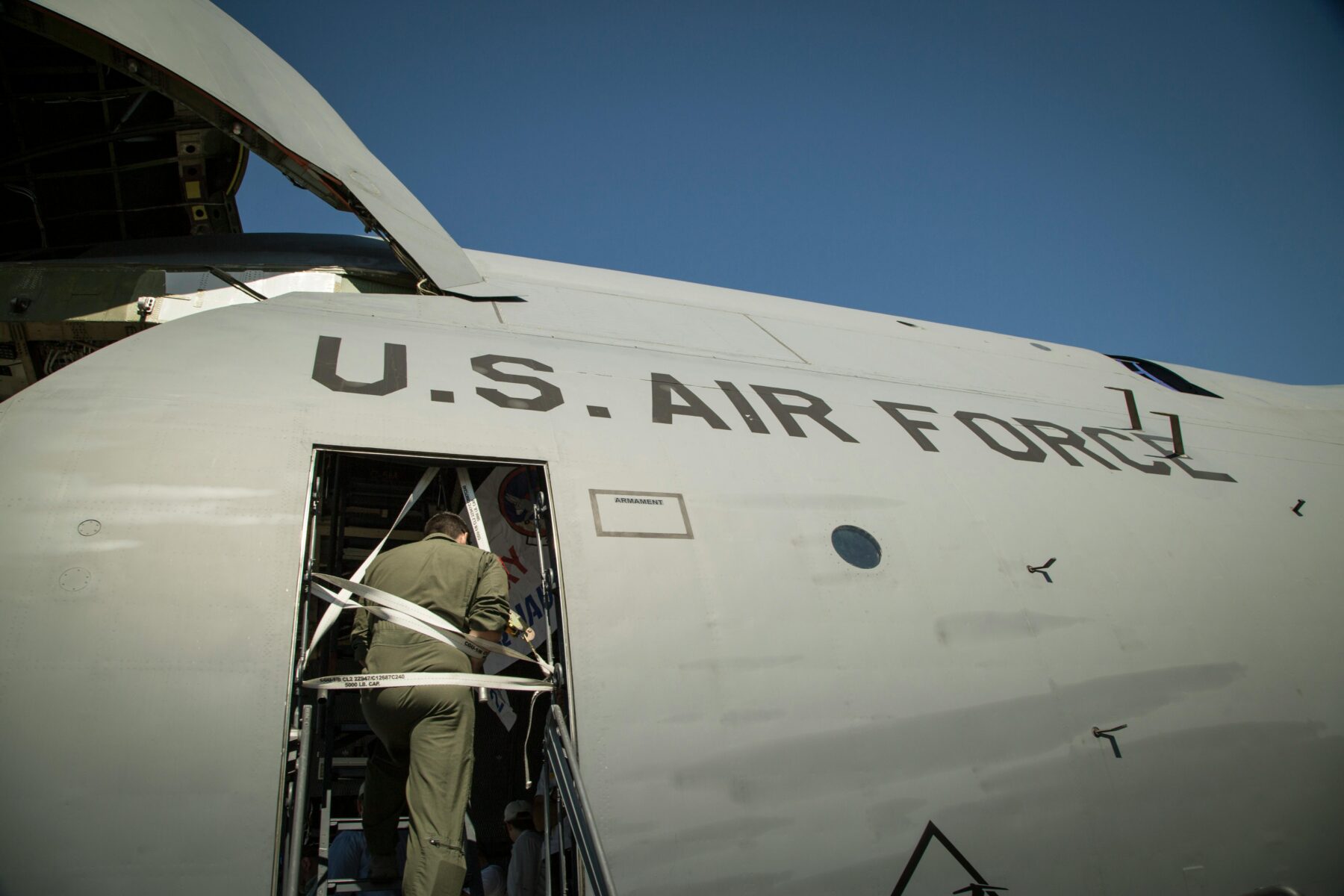
I served for more than eight years in the Air Force in military transportation and logistics operations. Many people misunderstand those careers. They picture paperwork and cargo movement. What they do not see is the responsibility, coordination, and pressure required to support missions tied directly to national security and the lives of other service members.
Military service taught me something much of civilian life has forgotten: serving your country is an honor. Duty is more than a definition. It is pride in contributing to something larger than yourself.
During my Air Force service, I deployed twice to Saudi Arabia in support of Operation Southern Watch and later served in South Korea. During those deployments, I earned the Kuwait Liberation Medal, but more importantly, the experience permanently changed my understanding of freedom, sacrifice, and America’s role in protecting both.
Saudi Arabia especially changed my perspective on freedom. Riyadh was modern and impressive in many ways, rising from the middle of the desert, but the cultural differences were impossible to ignore. I witnessed a public execution there for murder, and it permanently changed how I viewed America and the freedoms many Americans take for granted.
Serving near South Korea also reinforced how fragile peace can be. Knowing North Korea sat just beyond the border reminded me that freedom is never guaranteed unless people are willing to protect it.
One of the proudest moments of my military career was earning the rank of Staff Sergeant. Becoming a noncommissioned officer meant more than a promotion. It meant responsibility. People were watching how I led, how I treated others, and how I handled pressure.
Ironically, I learned as much from poor leaders as I did from good ones. Some leaders believed rank alone earned respect. The best leaders understood that respect is earned by how you treat people. The leaders I admired stood up for their troops, communicated clearly, and helped younger airmen grow instead of holding them back.
As an NCOIC, I tried to lead with what I would call a servant’s heart. I wanted to know the strengths and weaknesses of the people under me. I wanted to challenge them to improve while also supporting them when they struggled. Leadership is not bullying people into submission. Leadership is helping people become more than they thought they could become.
The military also shaped my understanding of masculinity, sacrifice, and responsibility. I learned that being a man is not about ego or control. It is about honesty, discipline, protecting your family, setting boundaries, and taking responsibility for the next generation.
Today, I worry many young men are growing up in a culture built around comfort, instant gratification, and online validation. Social media has created a generation constantly chasing approval from strangers instead of building character through adversity and hard work.
Adversity builds things comfort never can: discipline, resilience, perspective, and honor.
Sacrifice means giving up comfort for growth. Military service taught me that nothing meaningful is built without sacrifice.
That lesson applies outside the military as well. Service is not limited to wearing a uniform. Service means helping your community, supporting your family, mentoring others, and contributing to something bigger than yourself.
What I miss most about the military is the camaraderie. There is something powerful about standing beside people who willingly chose service over comfort. The friendships, accountability, shared mission, and brotherhood are difficult to explain unless you have lived it yourself.
Wearing the uniform meant something deeply personal to me. I knew I was choosing to serve my country in a way many people never will. I would serve again in a heartbeat.
Military service did not make me hate America. It made me love it more because I saw firsthand how different much of the world truly is.
If I could say one thing to Americans between 18 and 25 years old, it would be this:
Become someone worthy of respect. Pursue discipline. Embrace hardship instead of avoiding it. Have pride in your country, even while recognizing it is imperfect. Freedom survives only when people are willing to sacrifice for it.
Dr. Michael Hanifen is the Owner and President of North Star Chiropractic Wellness Center, LLC and Allure Body Contouring, LLC.
About “Service to My Country” Series
Must Read Alaska is seeking Alaskan veterans and active-duty service members who are willing to share their story with us and our readers in a new series called “Service to My Country.” We will be publishing submissions in the order they are received, every Monday at 9am. We hope to keep this going all the way to Veterans Day!
A recent op-ed by Army veteran Paul A. Bauer inspired this series. Bauer writes: “The problem is not gratitude itself. The problem is shallow gratitude. Many veterans do not need strangers to perform respect with a slogan. They often prefer real curiosity, human recognition, and informed conversation.”
We invite veterans and active-duty service members to send us articles sharing your story. You can use the questions below as inspiration. You do not have to respond to all the questions, and you are not limited to them. Please include the branch you served in and how many years you served.
Guiding Questions
What did/ do you do in the military?
How long did you serve?
Did anyone else in your family serve?
Why did you choose the service branch that you did?
What was the greatest challenge you faced during your service and how did you overcome it?
What was the most significant lesson you learned during your service?
If you could say one thing to young Americans aged 18-25, what would you say?
Requirements
Please follow these requirements for your submission:
- Word limit: 1,000 words
- Must be written in first person
- Must be published with original author’s legal name (no pennames/ ghostwriting)
- No foul language
- All direct quotes and data points must be cited (a link to source is sufficient)
- Have fun! Be creative!
Submit your story to [email protected].
Must Read Alaska says thank you to all our amazing veterans!


