
The debt ceiling is the legal limit on what debt the federal government can accrue, and right now that includes $24.5 trillion of debt held by (owed by) the public and the roughly $7 trillion the government owes itself due to inter-agency account borrowing (Social Security and Medicare funds).
Today, the debt is beyond its authorized limit and the government is taking extraordinary actions to avoid being in a default position, with the U.S. Treasury unable to borrow money to make payments.
The U.S. House and Senate, when they return next week, will face this grim fact of their own making and will have to deal with it before summer. Conservatives want to see spending cuts, while liberals, including the president, want to raise the borrowing limit. It will not have been the first time Congress has faced this test.
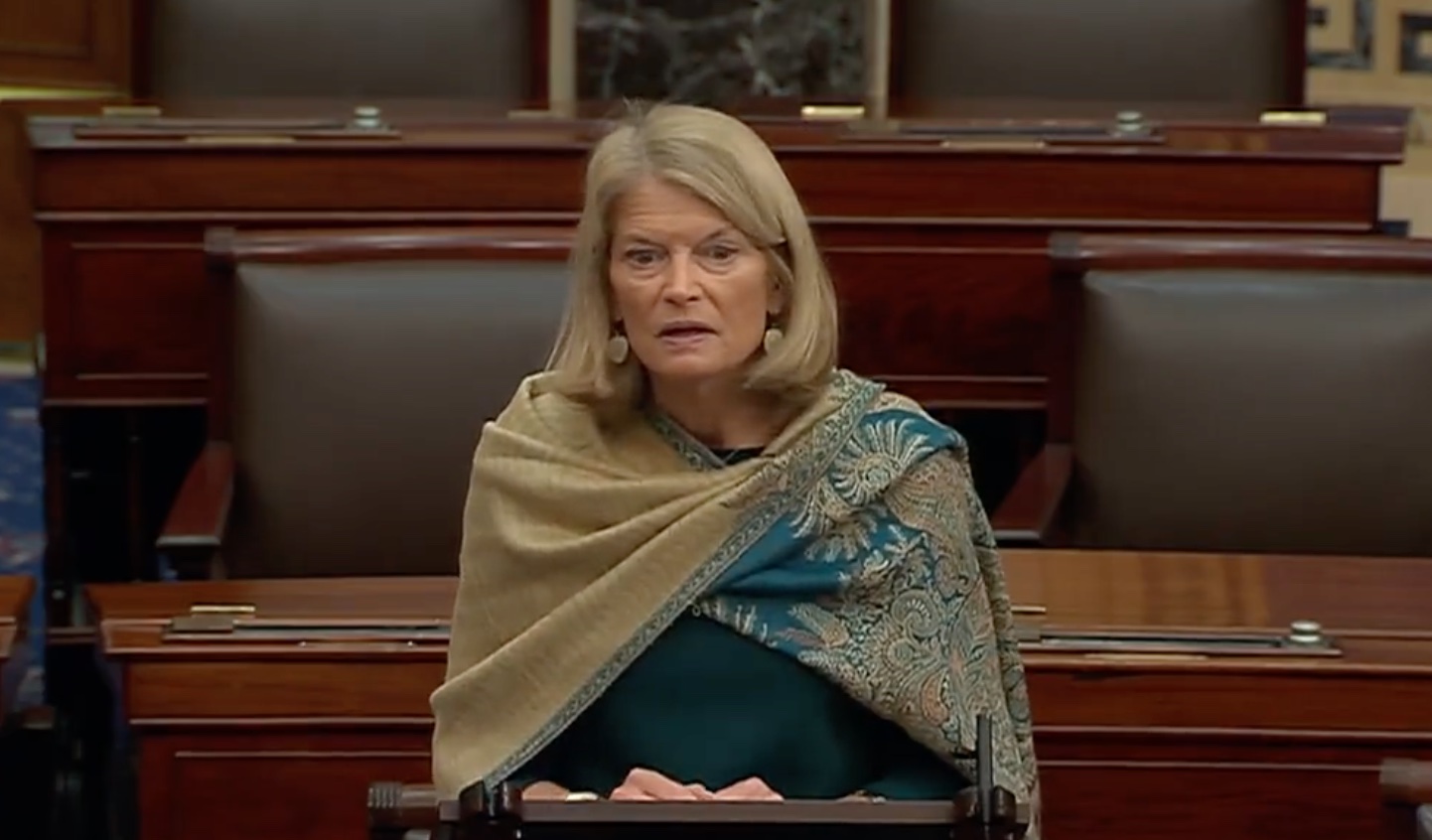
FiveThirtyEight.com senior analyst Geoffrey Skelley believes Sen. Lisa Murkowski is one of the most likely of Republicans to vote for an increase to the debt ceiling. She has a record of voting to raise the limit. In fact, Murkowski has voted to raise the debt ceiling nearly seven out of 10 times.
“When it comes to which GOP senators are most likely to be involved in passing a debt limit increase, we unsurprisingly start with the chamber’s two prominent moderates: Sens. Susan Collins of Maine and Lisa Murkowski of Alaska. Collins has voted for three-fourths of debt ceiling bills since 2001, while Murkowski has voted for nearly 7 in 10. But in looking for other potential votes, some other names may surprise. Sens. Kevin Cramer of North Dakota and Mike Rounds of South Dakota have supported two of every three debt ceiling bills that have come before them. And indicative of his common involvement in dealmaking on the debt ceiling, McConnell has supported 65 percent of the bills that have come before the Senate since 2001,” Skelley writes in FiveThirtyEight.com.
Murkowski votes in favor of President Biden positions 65% of the time, according to FiveThirtyEight.com, while Alaska Sen. Dan Sullivan votes with Biden just 45% of the time. In 2021, Sullivan voted against increasing the debt ceiling, while Murkowski voted for it.
In the House, Alaska Rep. Mary Peltola, in Congress for just five months, is in the 100% Biden category, already on record saying how she will vote: “Not raising the debt ceiling is reckless and irresponsible. We have to do it.”
Thirty years ago, the national debt was less than $5 trillion. Much has happened in those years, including inflation, the war on terror, Obamacare, the Covid pandemic, the influx of 10 million illegal immigrants per year, and an overall national population rising from 260 million people in 1993 to 332 million people in 2023. Add to that presidents and members of Congress unable to cut spending, and it appears the nation is heading for a debt that will be 126% of the national gross domestic product by this time next year. It ended 2022 at 122% of GDP.



