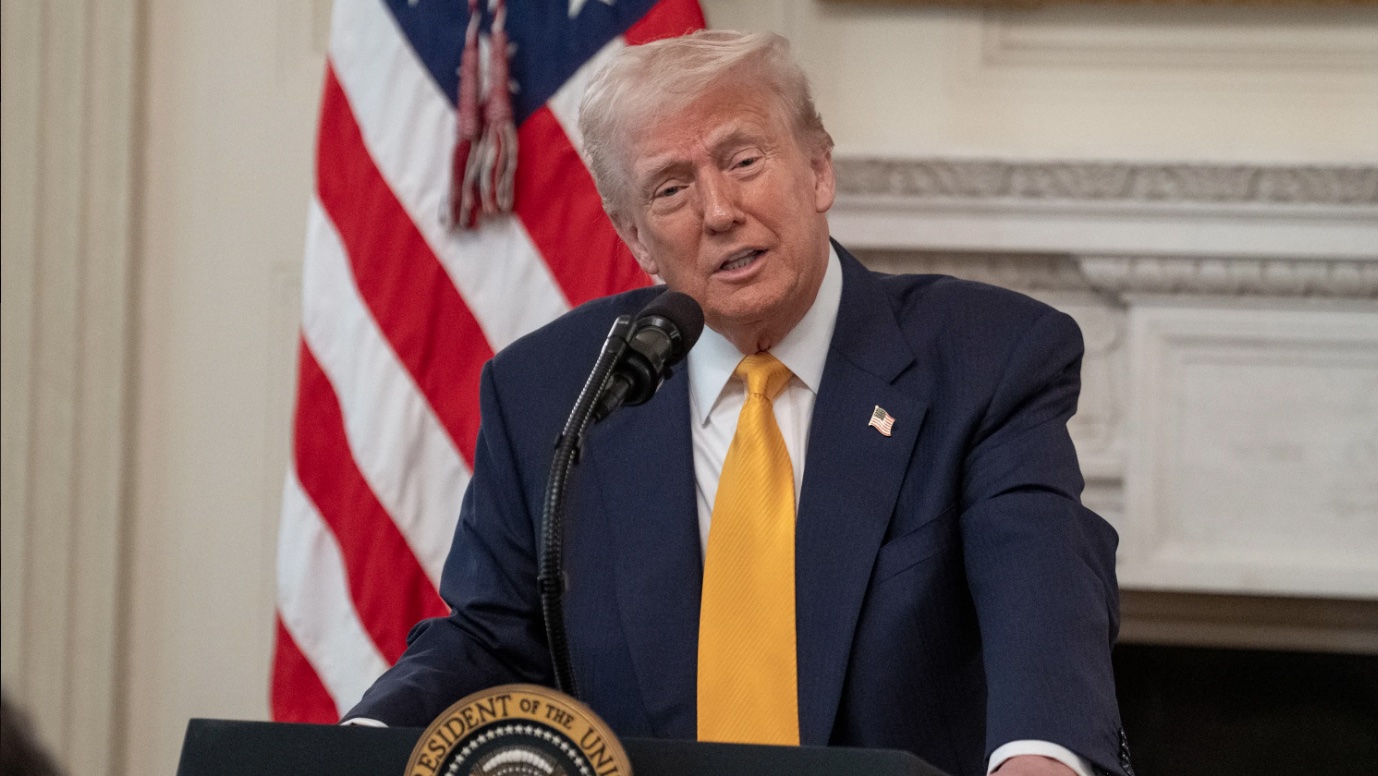
President Donald Trump signed a new executive order aimed at Venezuelan oil and the regime of Venezuelan President Nicolás Maduro.
The order expands previous sanctions and introduces even more tariffs in response to Venezuela’s ongoing destabilizing activities, including infiltration of U.S. borders by the murderous Venezuelan-based criminal gang Tren de Aragua.
This time, the tariffs are going into effect for countries that buy oil from Venezuela.
For Alaska, it may mean the price of Alaska crude oil increases as the threat of tariffs becomes clear to these countries. Alaska’s oil, primarily Alaska North Slope crude, is a medium-to-heavy, sour crude that is not dissimilar to Venezuela’s heavy Merey blend oil. Both compete in markets on the West Coast and Gulf of America Coast, where refineries are set up for heavier grades.
If Venezuelan supply tightens due to sanctions and tariffs, demand for substitutes from Prudhoe Bay could rise, potentially nudging Alaska oil prices upward.

When Trump sanctions first hit Venezuela in 2019, heavy crude prices spiked globally, and US Gulf Coast refiners scrambled for alternatives, briefly boosting demand for Alaska North Slope oil
Venezuela, through its state-owned oil company PDVSA and its subsidiary Citgo, has engaged in oil-related “charitable” shipments to the US. Between 2005 and 2016, under President Hugo Chávez, Citgo ran a heating oil donation program for low-income households in 25 US states, including Alaska, when Sarah Palin was governor. The Citgo program provided free heating fuel to rural Alaska villages, such as 100 gallons per household in Chevak. That initiative was then seen as a political move by Chávez to counter US trade policy.
Trump’s order maintains restrictions first outlined in Obama’s Executive Orders 13692, 13808, 13850, and 13884, all of which target key aspects of Venezuela’s economy, leadership, and financial networks.
The new Trump order authorizes a 25% tariff on all goods imported into the United States from any country that imports Venezuelan oil, directly or indirectly. This provision, to take effect on April 2, grants Secretary of State Marco Rubio the discretion to determine which countries will be subject to the tariff. The tariff would remain in place for a year following a country’s last recorded purchase of Venezuelan oil, unless lifted earlier by the Secretary of Commerce.
China is the largest buyer of Venezuelan oil, but other countries include India, Spain, Cuba, Brazil, and Turkey.