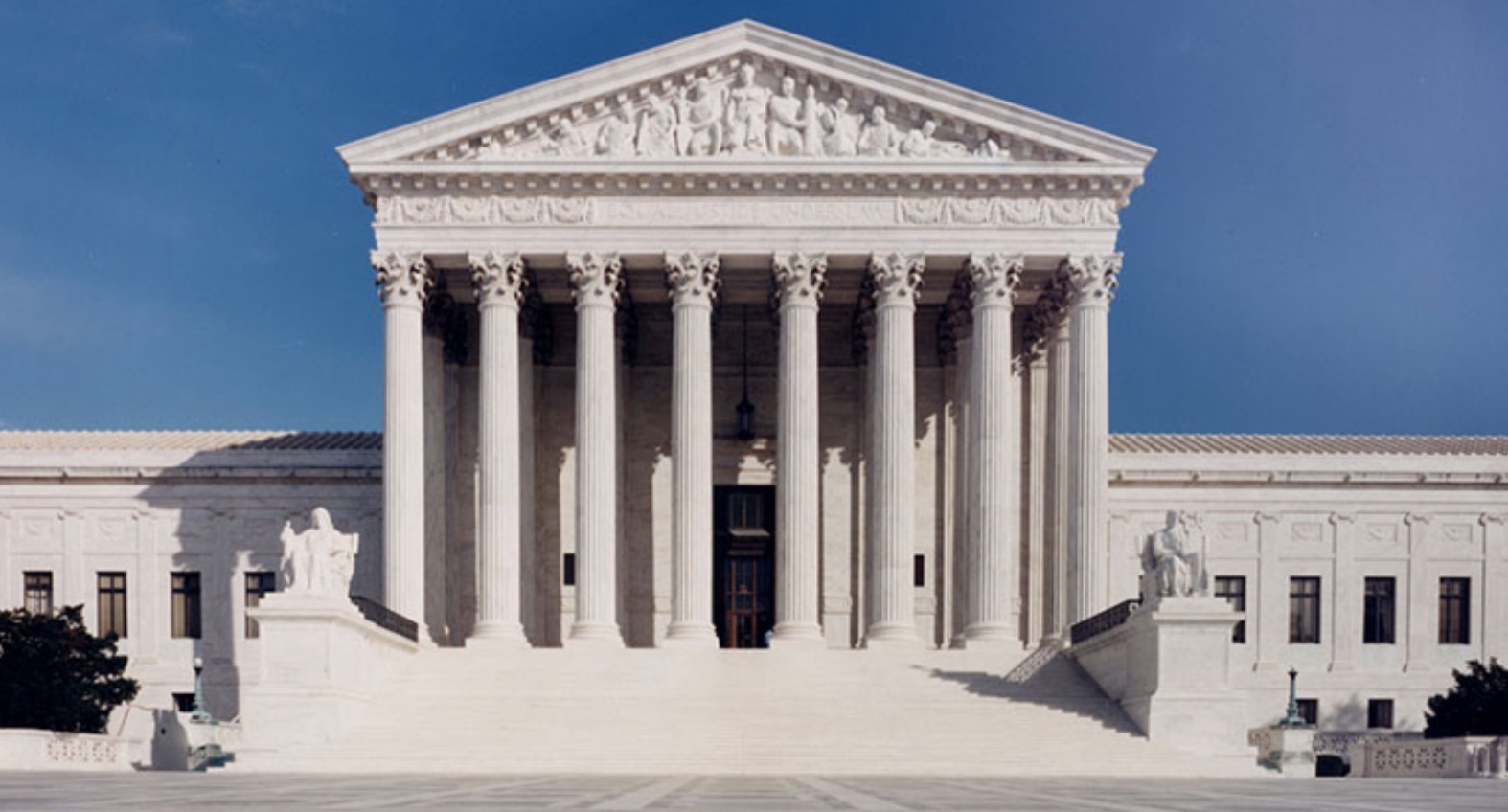
The U.S. Supreme Court affirmed on Tuesday that state legislatures do not possess unchecked power to establish election laws when federal elections are at stake.
The court’s 6-3 decision, with Chief Justice John Roberts Jr. delivering the majority opinion, emphasized that state courts have the authority to review and supervise state laws governing federal elections.
The ruling comes as a rejection of the legal doctrine known as the “independent state legislature theory.” In Moore v. Harper, the Supreme Court ruled 6–3 that the Elections Clause of the U.S. Constitution does not give state legislatures sole power over elections, thus rejecting the independent state legislature theory.
The case before the Supreme Court involved a congressional map in North Carolina that had been decided by a court to have been partisan gerrymandered. The court upheld the North Carolina Supreme Court’s decision to set aside the map.
Chief Justice Roberts wrote that the Constitution’s elections clause does not shield state legislatures from state judicial review.
“The Constitution’s text makes clear that state legislatures possess authority to prescribe electoral regulations,” wrote Roberts. “But that authority does not insulate state legislatures from the ordinary exercise of state judicial review.”
The ruling is expected to have implications beyond North Carolina and could impact the authority of state courts to review election laws across the states. It strengthens the judicial branch of government getting involved in partisan politics.
Conservative Justices Clarence Thomas, Samuel Alito, and Neil Gorsuch dissented from the majority opinion.